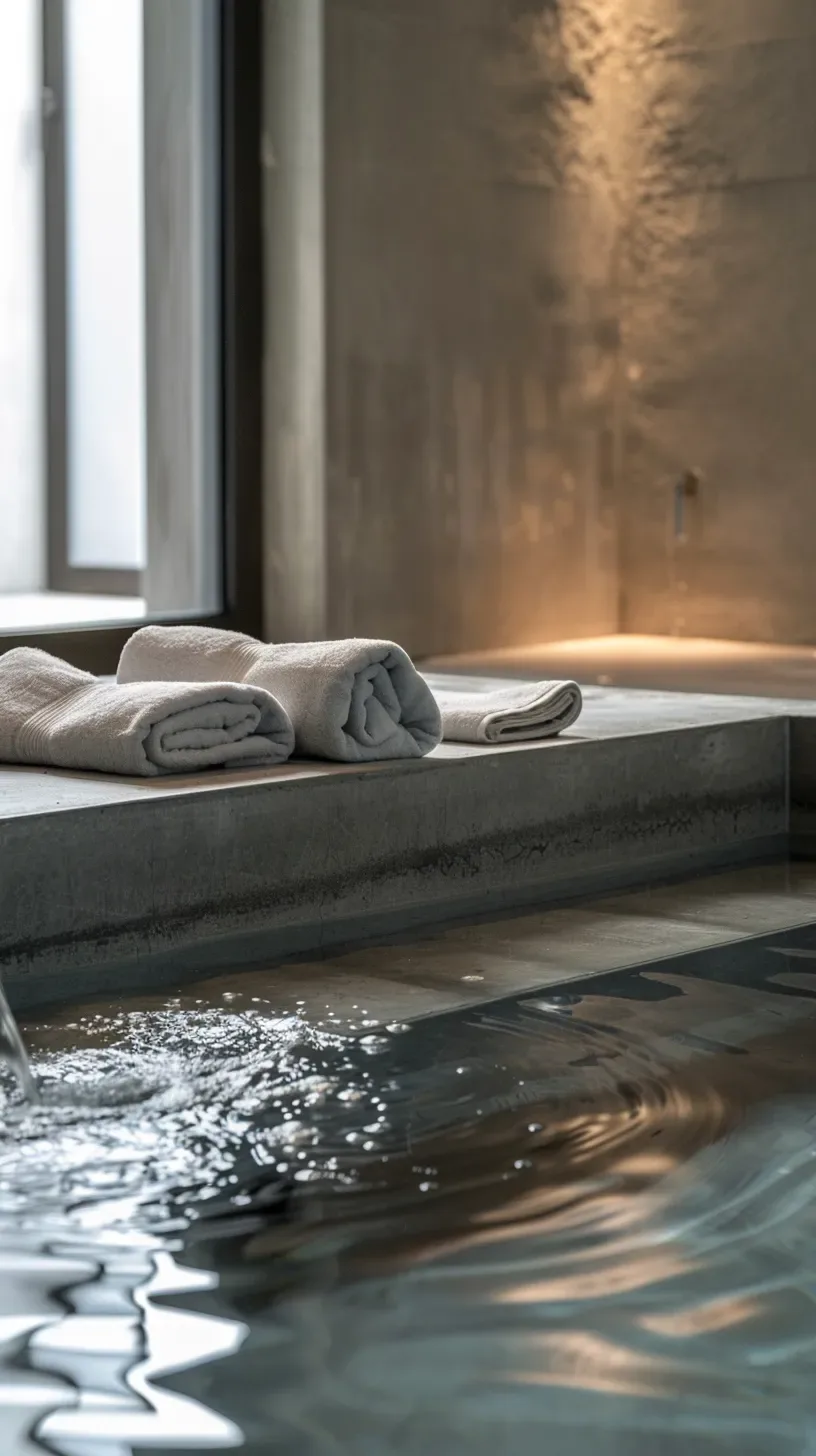
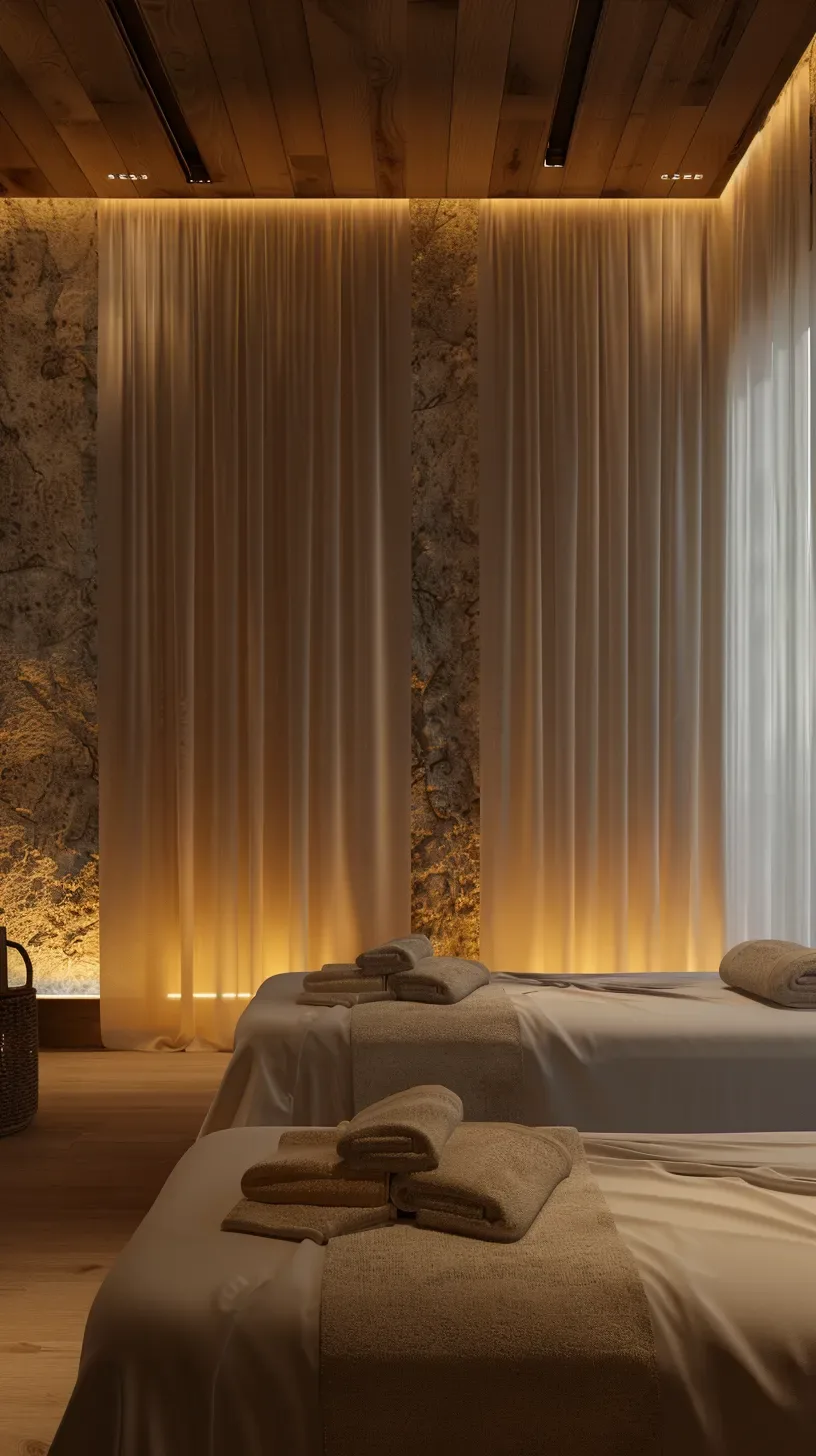
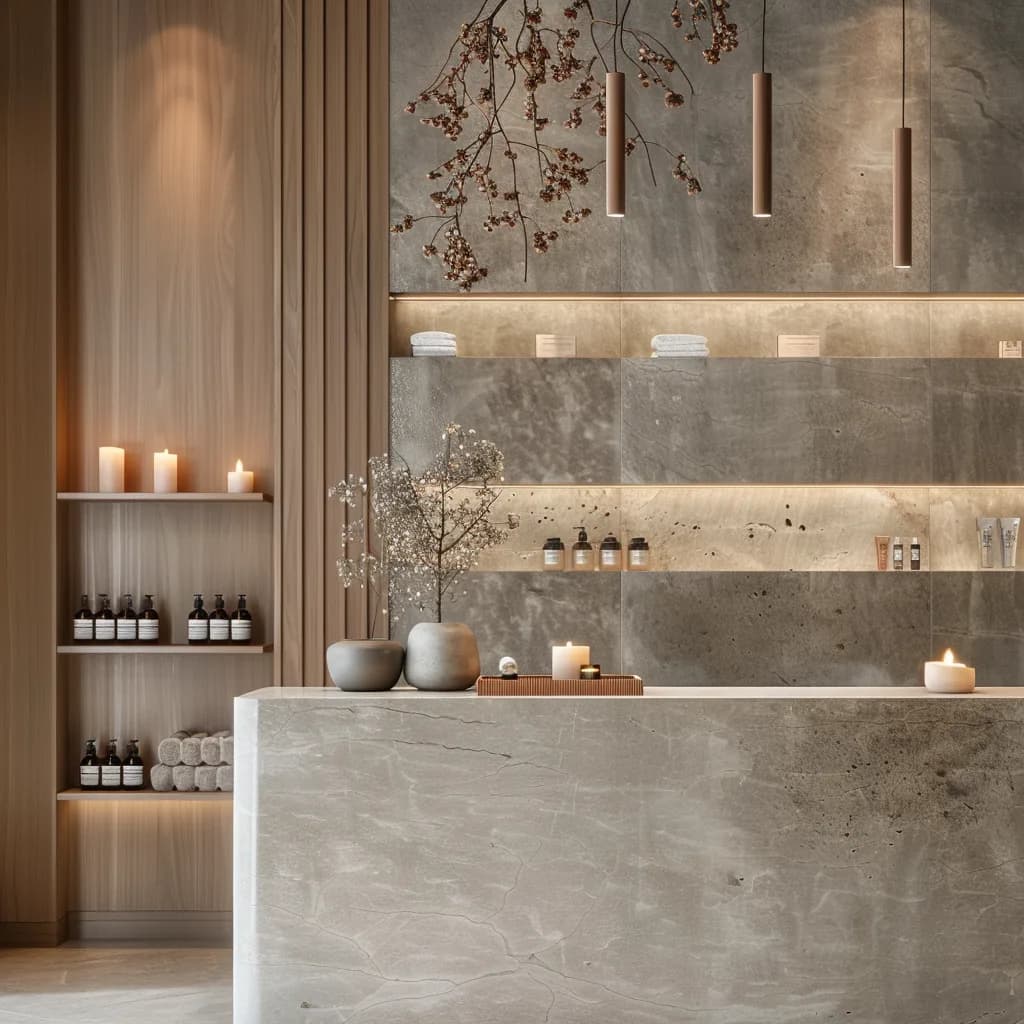
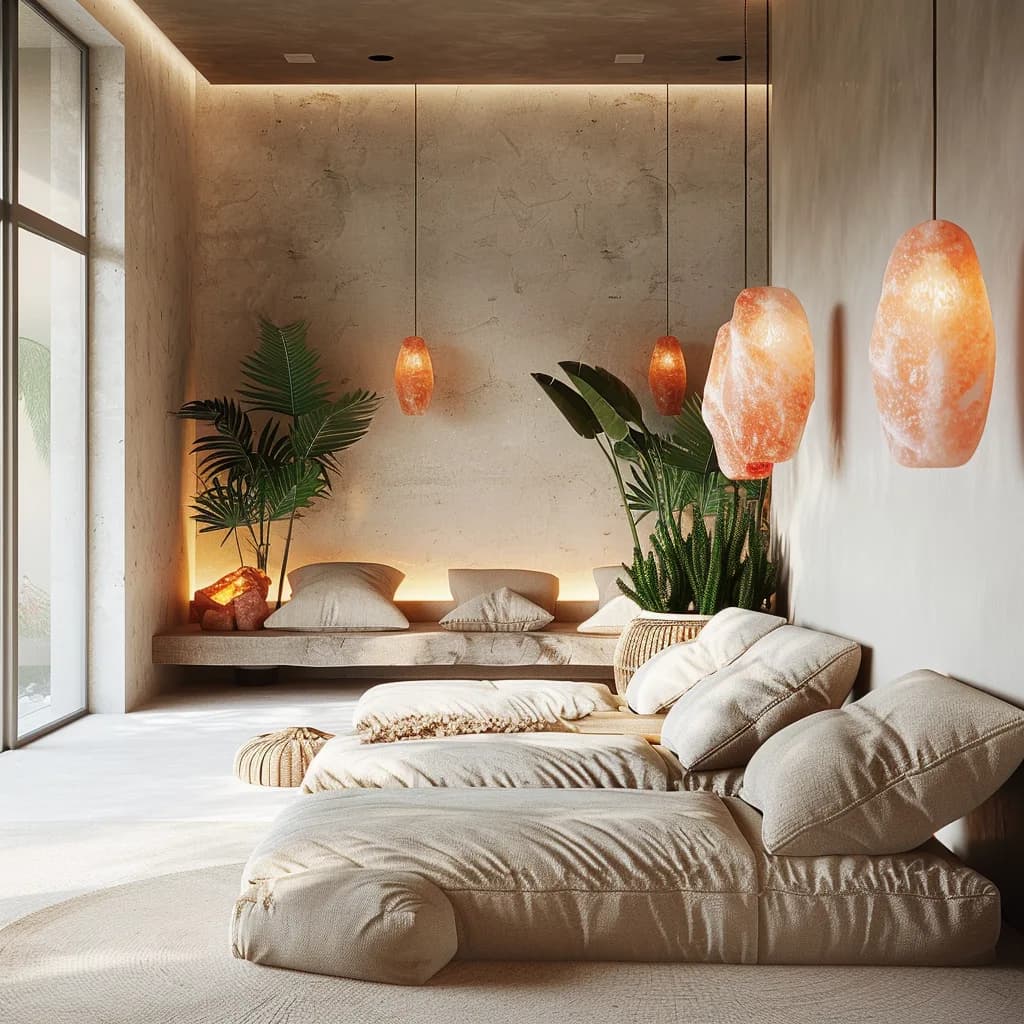
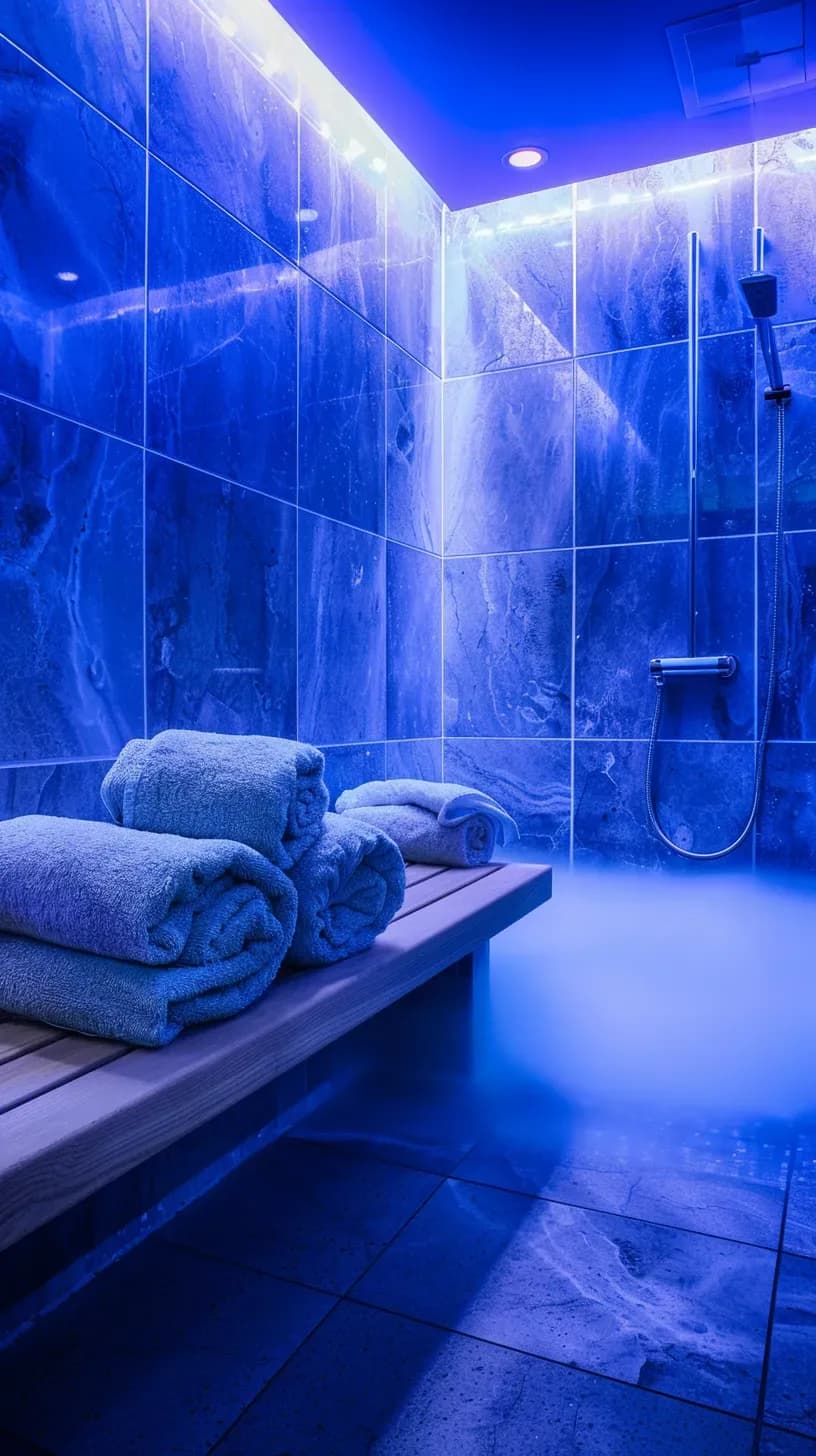
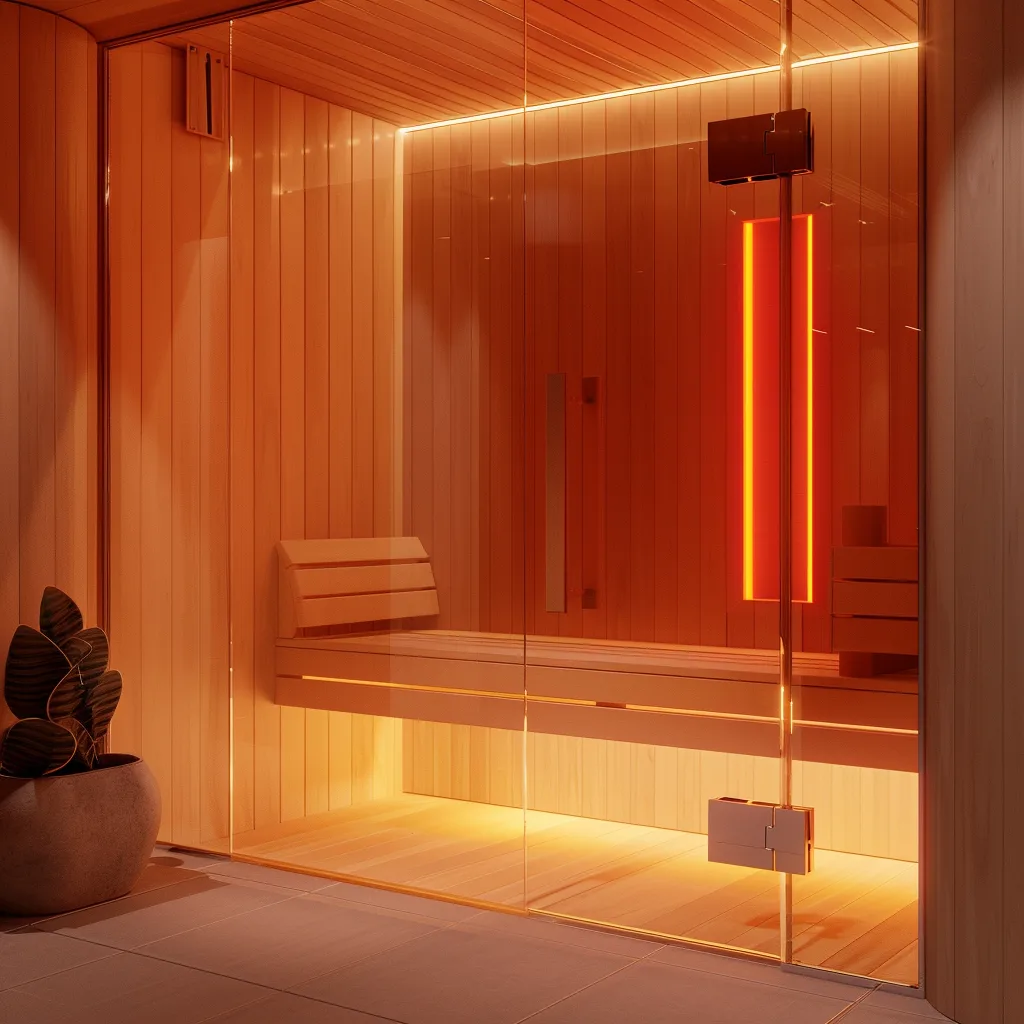
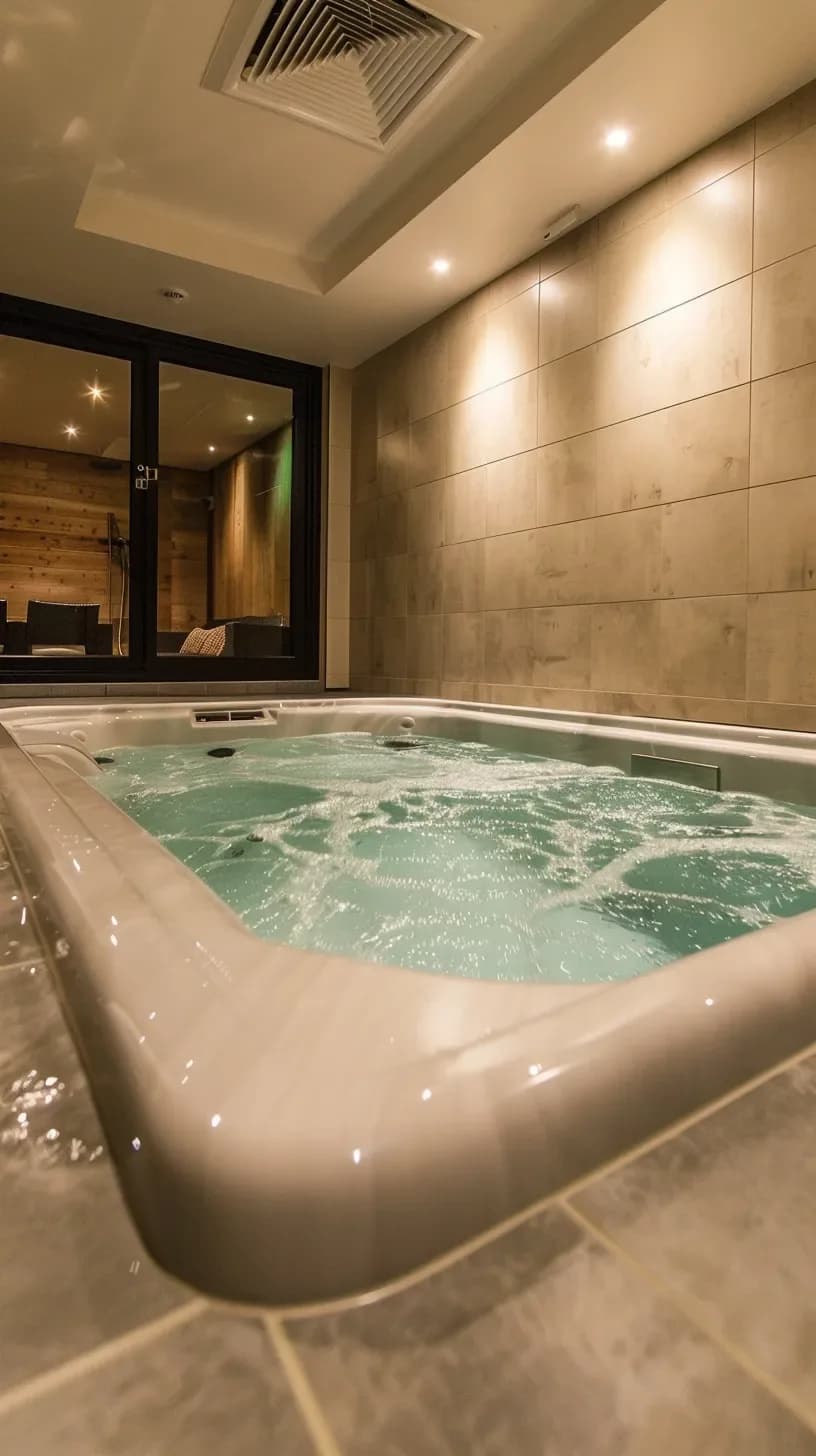
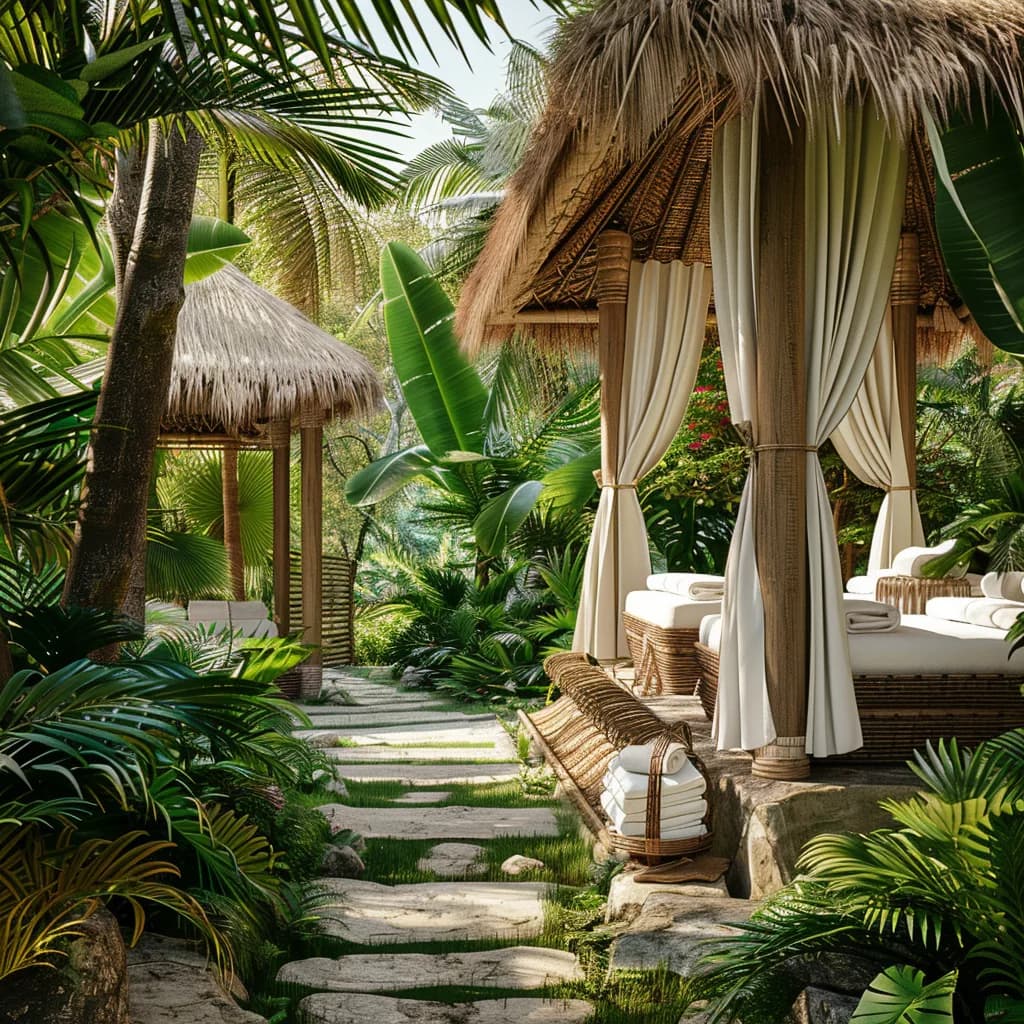
Spas used to mean solitude and pampering. Bathhouses meant heat, cold and community. Today, the two worlds are merging and reshaping how Australians approach wellness. We explore why the line between spa and bathhouse is disappearing, what’s driving the shift, and what the rise of “wellness sanctuaries” means for the future of self-care.
If you’d asked ten years ago, the answer would have been simple:
Spas = massages, facials, beauty, pampering.
Bathhouses = hot pools, steam, communal bathing.
Now? You’ve got spas installing saunas, steam rooms and ice baths… and bathhouses offering massages, facials and even IV drips.
The line hasn’t just blurred, it’s actively being redrawn. It’s born from behaviour. People don’t just want to unwind, they want tools, rituals, and environments that support stress, sleep, recovery, mood and connection. And they want them regularly, not just on birthdays.
There is a shift in the definition of a spa, and a bathhouse, and now they are blurring into something larger. Could it be that we are on the rise of a major shift towards a unified source of wellness? Like rather than just a spa, or a bathhouse, we will instead go to a wellness sanctuary?
This may not even be far away, with the likes of wellness retreats, accomodation with build in spas and wellness centres popping up all over the world, and in Australia at large numbers.
Spa vs Bathhouse in 2025 (The Quick Summary)
Traditionally:
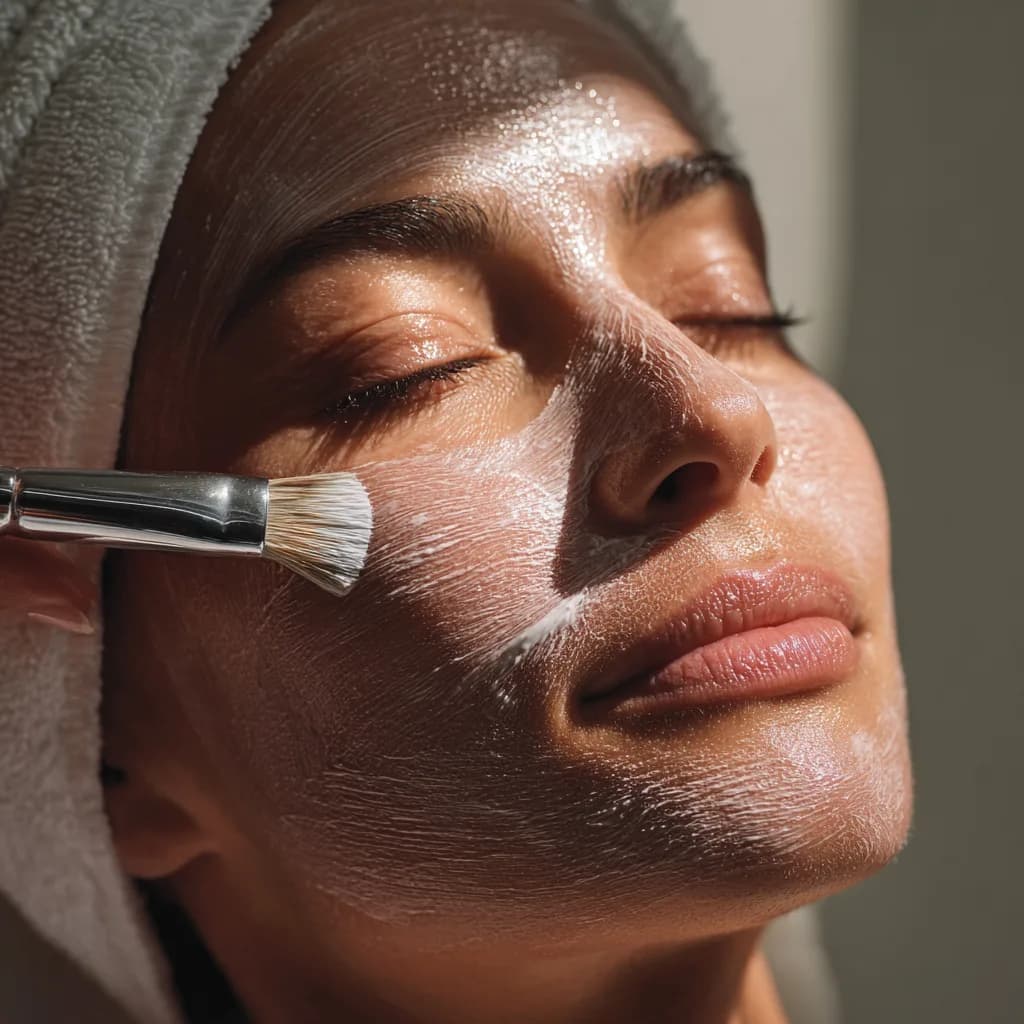
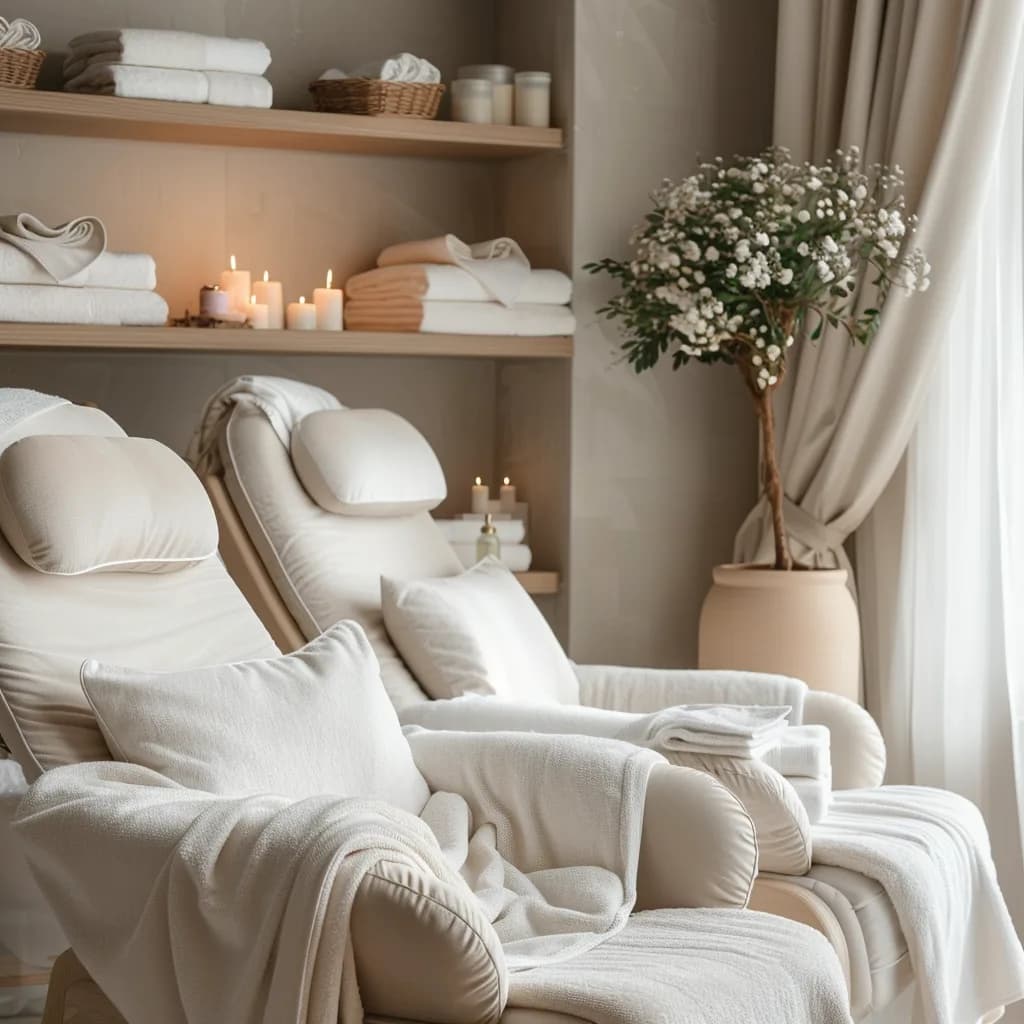
Spas are about treatments delivered to you – massage, facials, body rituals, medispa services, usually in private rooms.
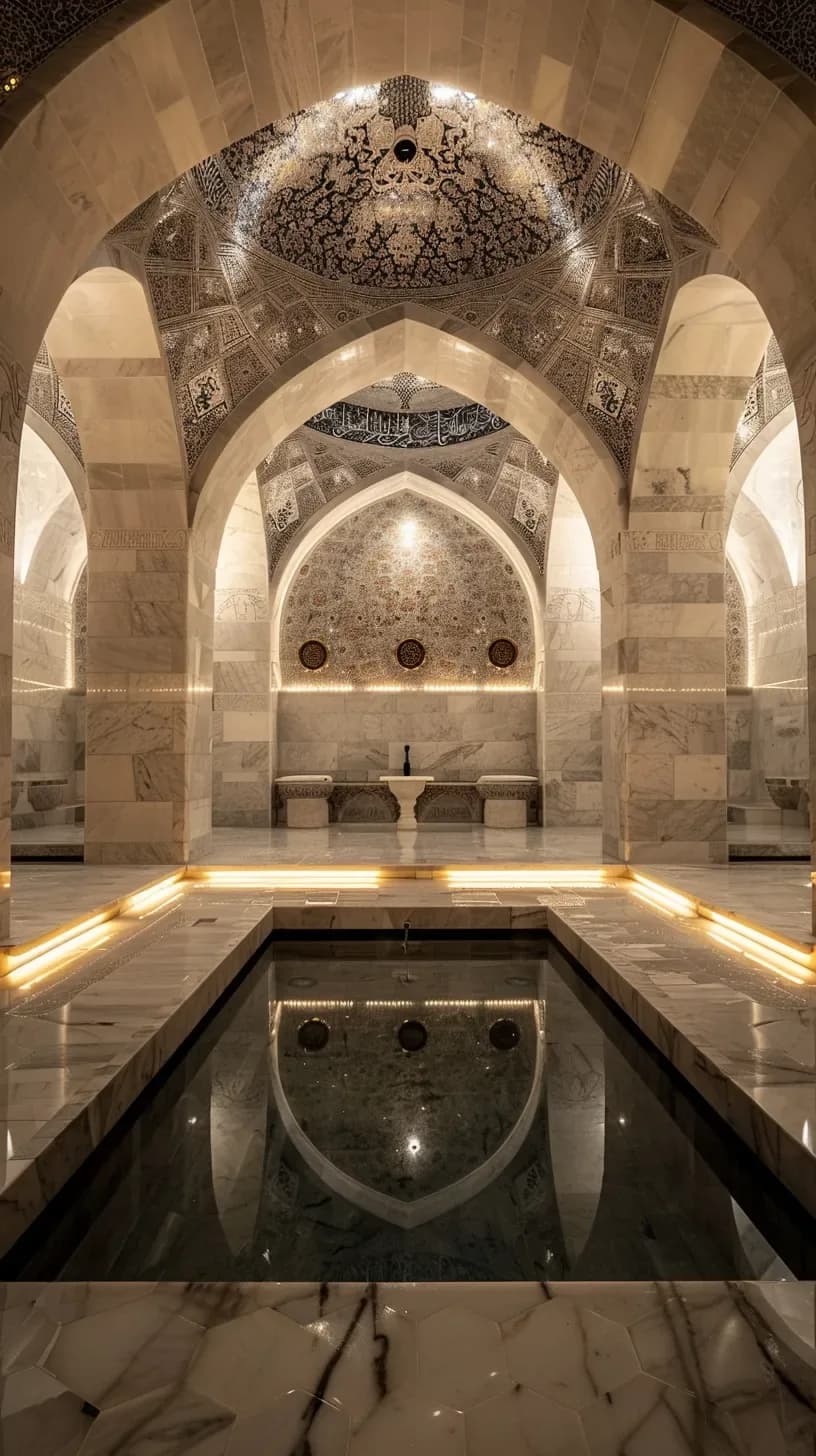
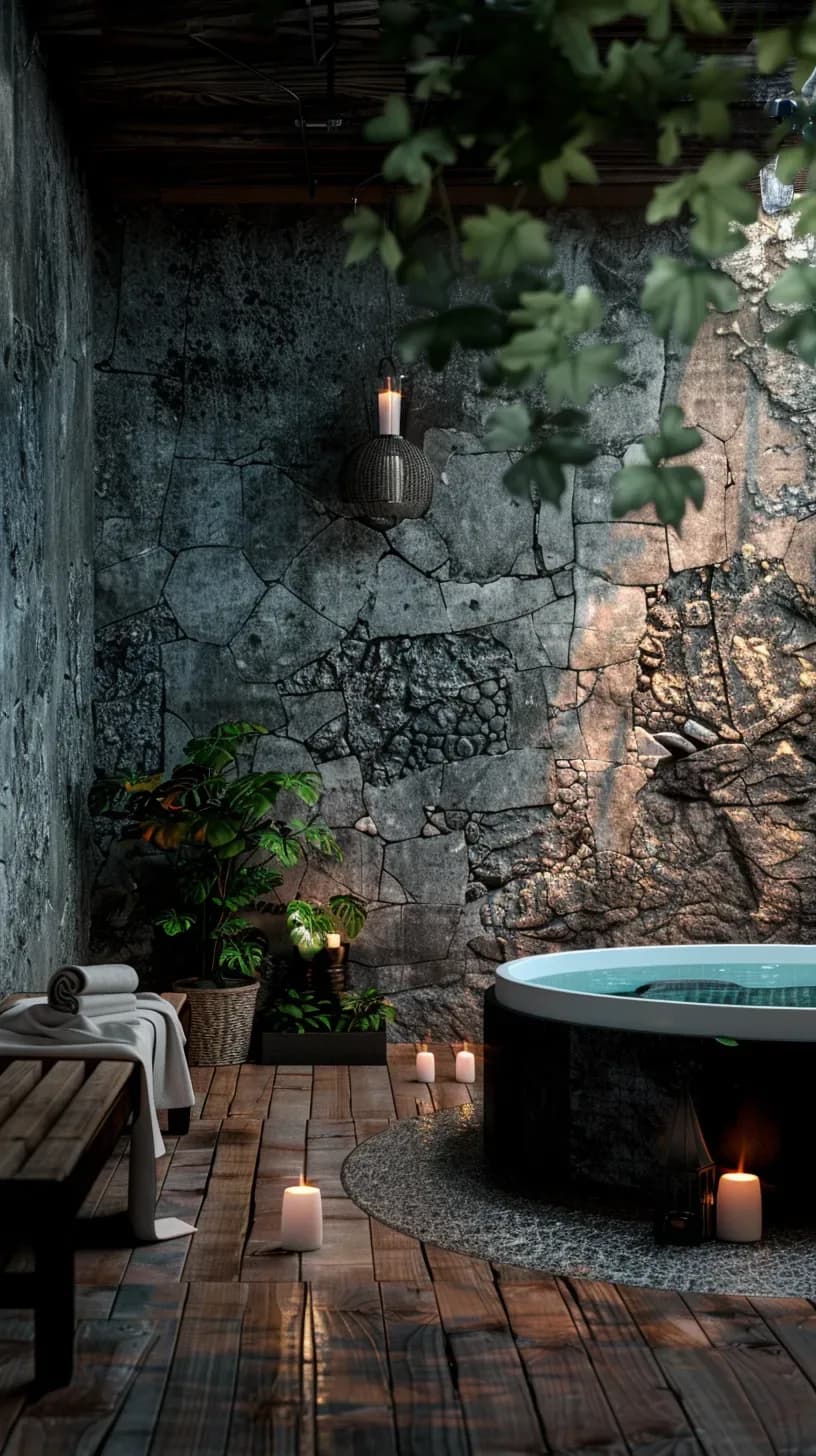
Bathhouses are about thermal rituals you move through – saunas, steam, hot and cold pools, communal areas, sometimes with a strong cultural or social element.
Today, the reality looks more like this:
Many spas now include bathhouse-style facilities – hydrotherapy pools, saunas, cold plunges and contrast circuits.
Many bathhouses now include spa-style services – massages, facials, breathwork, even medispa and biohacking add-ons.
So instead of asking “which one is better?”, a more useful question is:
Do I want to be treated… or do I want to participate?
Spas lean toward receiving care. Bathhouses lean toward moving through ritual. Hybrids give you both.
Let’s unpack it properly.
How Spas and Bathhouses Started Out Different
Spas Started From Water Cures to “Treat Yourself”
Historically, “spa” referred to destinations built around natural mineral springs and water cures in Europe — places people travelled to for therapeutic bathing and rest. Over time, the modern spa became less about strict hydrotherapy and more about:
Massage and bodywork
Facials and skincare
Beauty and grooming services
Relaxation rooms and tea lounges
In today’s industry definition, “health and wellness spas” covers day spas, destination spas and medical spas, all built around professional, hands-on treatments.
Bathhouses Are Historically Communal, Elemental, & Cultural
Bathhouses, on the other hand, come from communal bathing cultures:
Japanese onsen & sento
Turkish hammam
Korean jjimjilbang
Nordic and Finnish sauna houses
They revolve around:
Hot and cold pools
Saunas and steam rooms
Washing or scrub rituals
Social connection and shared silence
The focus is thermal cycling and community, rather than individual treatment rooms. For a long time, that difference was clear: You booked a treatment at a spa. You bought entry to a bathhouse.
Why the Line Is Blurring So Fast
Three big trends explain why “bathhouse vs spa” now feels like a trick question.
1. The Contrast Therapy Boom
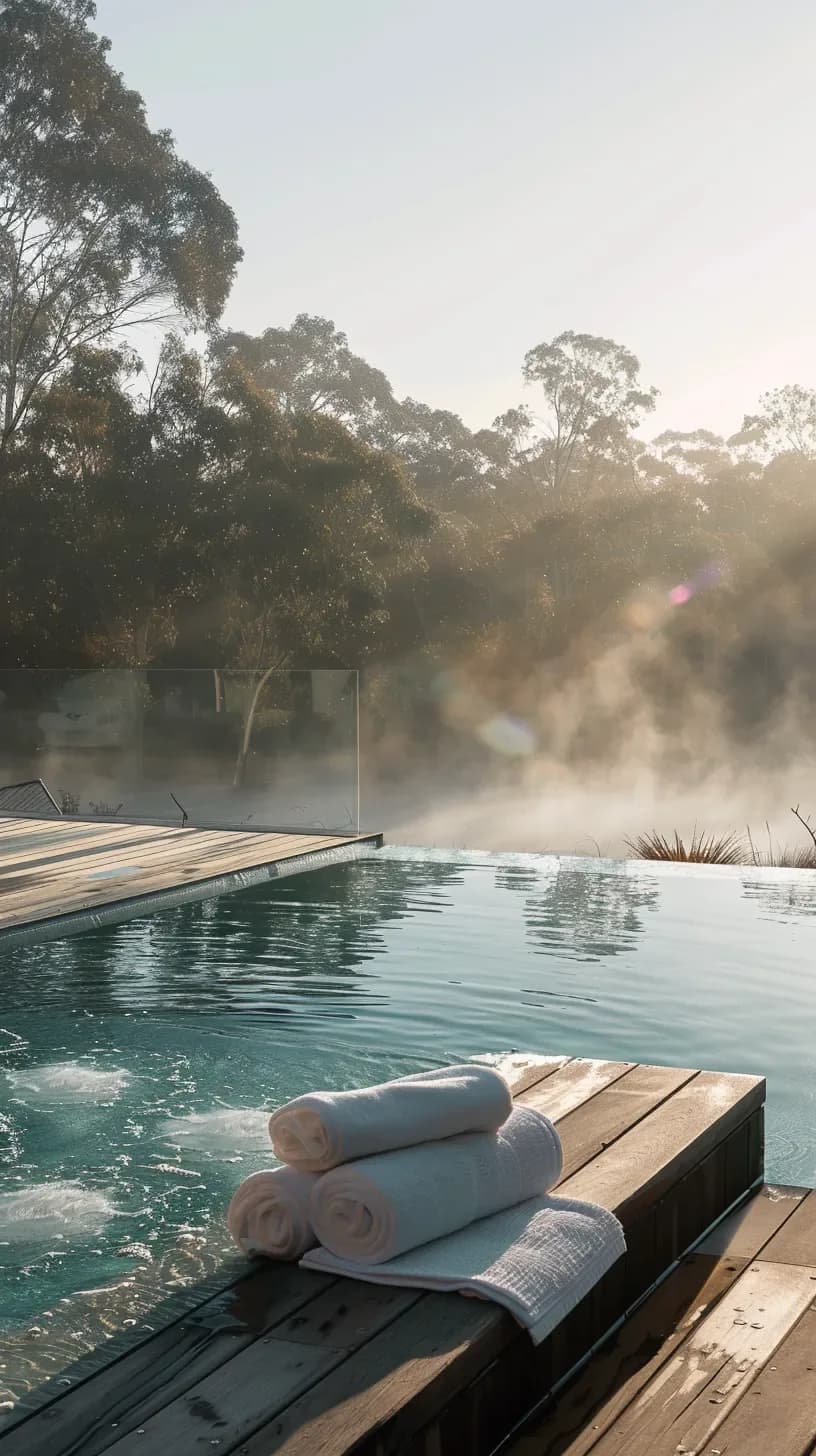
Alternating between heat (sauna, steam) and cold (ice bath, plunge, cold shower) often called contrast therapy, has become one of the biggest global wellness trends.
It’s being embraced for:
Circulation and cardiovascular support
Muscle recovery and reduced soreness
Stress regulation and mood support
That post-plunge “natural high” from endorphins and dopamine
Design and market reports now note that contrast therapy is reshaping how new spas are built and old ones are remodelled. Hydro sets, cold plunges and saunas aren’t “extras” anymore; they’re central to the experience.
At the same time, modern bathhouses are leaning hard into this, not just with a basic hot pool and shower, but with:
Multiple sauna types (traditional, infrared)
Several plunge temperatures
Structured “hot–cold–rest” protocols
So both sides are now using the same tools.
2. Social Wellness and the “Third Space”
Bathhouses are increasingly being described as social wellness clubs, think places where people go not just for recovery, but for community. Recent coverage highlights bathhouses and sauna houses acting as social hubs, particularly in cities and younger wellness communities.
At the same time, many spas are:
Adding lounges you actually want to linger in
Offering co-working corners, tea bars or “quiet social” zones
Designing spaces less like a clinic and more like a boutique hotel
People don’t just want to “get a massage and leave” anymore. They want somewhere to land especially with remote/hybrid work and rising rates of loneliness.
Bathhouses naturally lend themselves to this. Spas are catching up.
3. Market Growth and Hybrid Business Models
On the business side, sauna and spa markets are both growing:
The global sauna market is projected to grow at over 6% CAGR through to 2033.
Global sauna & spa combined market is forecast to pass USD 6 billion by 2033.
In Australia, the sauna and spa sector is being driven by increased interest in self-care, stress management and at-home wellness.
With that growth comes competition. The result?
Spas add thermal suites, plunges and “recovery zones” to stay relevant.
Bathhouses add massages, facials and even medispa services to increase spend per visit and meet guest demand.
The industry is converging into a spectrum of hybrid spa-bathhouse experiences.
What You Usually See at a Spa vs a Bathhouse
This is where most people want clarity: “Okay, but what am I actually walking into?”
Here’s a simple comparison based on typical experiences (knowing there are lots of hybrids in the middle):
Feature / Aspect
Typical Spa
Typical Bathhouse
Core focus
Hands-on treatments & therapies
Thermal rituals & communal bathing
Main experience
Massage, facials, body treatments, medispa procedures
Saunas, steam rooms, hot pools, cold plunges, rest areas
Energy
Quiet, individual, often private-room based
Communal, shared, can be quiet or social depending on venue
Booking style
Specific treatment + therapist + time slot
Entry pass for a time block (e.g. 90–120 mins)
What you “do”
Lie on a table, receive treatment
Move between hot, cold and rest at your own pace
Social aspect
Minimal; mostly you + therapist
Moderate to strong; you’re around others in shared spaces
Facilities
Treatment rooms, sometimes sauna/steam, relaxation lounge
Saunas, steam, pools, plunges, showers, lounges, sometimes café
Frequency of visits
Monthly, quarterly, “for a treat”
Weekly or bi-weekly, like a fitness or recovery ritual
Price pattern
Higher per visit (therapist time is the main cost)
Lower per visit, especially if you buy passes or memberships
Best for
Specific issues (pain, skin), deep guided relaxation
Nervous system reset, circulation, community, heat/cold benefits
A lot of modern venues will tick boxes on both sides, but this table is a helpful mental model.
The Emotional Difference Between Spas & Bathhouses
Even as the lines blur, there is still one defining emotional difference between spas and bathhouses, and it’s not about facilities, it’s about how you want to feel.
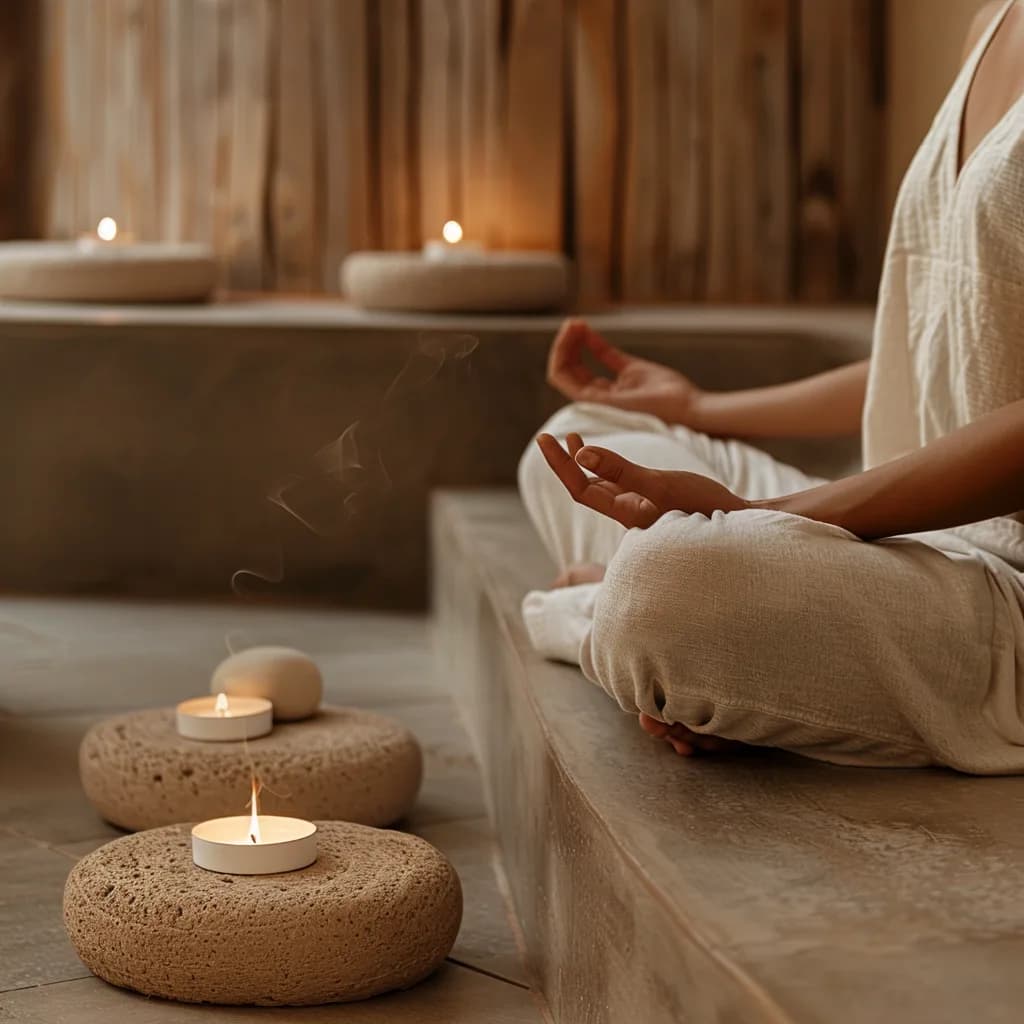
Spas have always carried the promise of solitude.
You enter a dimmed room, close the door behind you, and the world falls silent. It’s personalised, private, and intentionally inward-facing. The experience is just for you. Your massage, your facial, your moment of escape. That intimacy is part of the luxury.
Bathhouses, meanwhile, are built around community.
You see couples doing their evening ritual together, friends catching up between sauna rounds, strangers sharing a knowing smile after a brave cold plunge. It’s wellness as a shared practice… a modern reimagining of ancient communal bathing cultures. And that social fabric is exactly why bathhouses have exploded in popularity.
In an era of remote work, digital communication and rising loneliness, people are craving places where they can be around others without pressure, performance or small talk. Bathhouses offer that… a communal rhythm where everyone is quietly working on their own wellbeing, side-by-side.
Spa = solitude. Bathhouse = community.
Both have their place, and both are thriving, but the growing love for bathhouses reveals something important: many people no longer want to relax alone. They want to feel part of something.
How to Choose Between Spa & Bathhouse
Start With Your Outcome
Instead of asking “spa or bathhouse?”, start with:
What do I actually want from this visit?
1. “I’m stressed, wired and not sleeping well.”
Your nervous system is the priority.
Bathhouse lean: Repeated hot–cold–rest rounds can be incredibly regulating for mood, stress and sleep, especially when you combine them with quiet zones and time off screens.
Spa lean: Long, slow relaxation massage or cranial work in a calm room can be transformative if you find touch soothing.
Best bet: a hybrid venue where you can do 1–2 sauna/plunge loops, then finish with a massage.
2. “My body hurts / I train hard / I’m recovering from something.”
You’ll want both musculoskeletal support and recovery tools.
Bathhouse side: Saunas and cold plunges are widely used by athletes for recovery and inflammation management.
Spa side: Remedial massage, sports massage, or myotherapy address specific tension and movement patterns.
Best bet: book a recovery-focused treatment and pair it with bathhouse access before or after if possible.
3. “I care about skin, glow and aesthetics.”
Here, a spa usually leads.
Facials, peels, LED or targeted skin treatments are still the domain of facial and medispa specialists.
Bathhouses help indirectly through circulation, sweating and relaxation, but they’re not a substitute for proper skin therapy.
Best bet: spa-led venue, possibly with access to a mineral pool or sauna to support overall skin health.
4. “I want connection with my partner, friends or community.”
This is where bathhouses shine.
Couple’s visits to bathhouses are becoming a major trend: shared rituals, shared challenge, shared reset.
Many urban bathhouses explicitly position themselves as social wellness hubs.
Spas can absolutely be romantic or bonding, especially with couple’s suites, but they’re still mostly one-room, one-therapist experiences.
Best bet: bathhouse or hybrid spa-bathhouse with clear etiquette and quiet/social zones.
5. “I want something I can do regularly, not just once a year.”
If you’re thinking maintenance, not escape, bathhouses are usually more:
Affordable per visit
Flexible in timing
Suited to weekly or bi-weekly routines
Spas are fantastic, but price and structure often make them feel like “treats” rather than habits.
Best bet: bathhouse memberships or packs, plus occasional spa treatments layered in.
The Rise of Hybrid “Spathhouses”
Zoom out, and you can see the industry’s next move clearly:
Sauna and bathhouse culture is booming globally, with strong growth forecasts and increasing mainstream adoption.
Contrast therapy is being built into new spa and wellness designs as a core feature, not a niche extra.
Australia in particular is embracing sauna and bathhouse culture, drawing on Finnish, Nordic and Japanese influences in both urban and regional spaces.
The places that stand out now tend to be:
Bathhouses with serious design and proper recovery tools, plus optional treatments.
Spas with proper thermal circuits, not just a token sauna in the corner.
Wellness clubs that feel like third spaces. You stay, you linger, you connect.
In other words, the question is no longer “spa or bathhouse?” but:
Where on the spectrum between spa and bathhouse does this place sit, and is that what I want today?
Safety and Who Should Be Cautious
Hot and cold therapies are powerful, but they’re not for everyone.
Most mainstream guidance suggests people with:
cardiovascular issues,
uncontrolled high or low blood pressure,
certain heart conditions,
pregnancy, or
complex medical histories should talk to a health professional before intense sauna or cold immersion.
Spas and bathhouses are increasingly good at flagging this in their booking flows, but it’s still worth:
starting gently,
keeping sessions shorter at first, and
listening to how your body feels after, not just during.
So… Spa or Bathhouse?
If you strip all the branding away, the difference looks like this:
Go spa when you want: Focused, hands-on care, professional treatment, specific outcomes (pain, skin, tension).
Go bathhouse when you want: Elemental reset, ritual, community, nervous-system regulation, or a cost-effective ongoing wellness habit.
Go hybrid when you want: The best of both: move, sweat, plunge, rest… then let someone skilled work on your body.
The industry will keep blending categories. Labels will keep shifting.
But if you choose based on how you want to feel when you walk out, you’ll almost always land in the right place, no matter what the sign on the door says.