

If you’ve ever walked into a bathhouse, stared at the saunas, steam, pools and plunges and thought, “Cool… but what am I actually meant to do?” then this is for you.
More people than ever are using bathhouses and contrast-therapy spaces as part of their weekly routine, not just a one-off “treat”. But very few venues explain how to structure a safe, effective circuit for beginners.
Below is a set of ready-to-use 45-minute and 90-minute circuits designed for first-timers and “still getting confident” bathers. They’re based on:
- What we know about safe sauna durations for beginners (5–10 minutes, then build up)
- Evidence that alternating hot and cold can support circulation, recovery and perceived soreness
- Research suggesting regular sauna use may benefit heart health and overall mortality risk when used safely
- Conservative cold-plunge guidelines (30 seconds–2 minutes for beginners, especially in very cold water)
They’re templates, not prescriptions. You’re always the boss of your own body.
Browse Our Spas






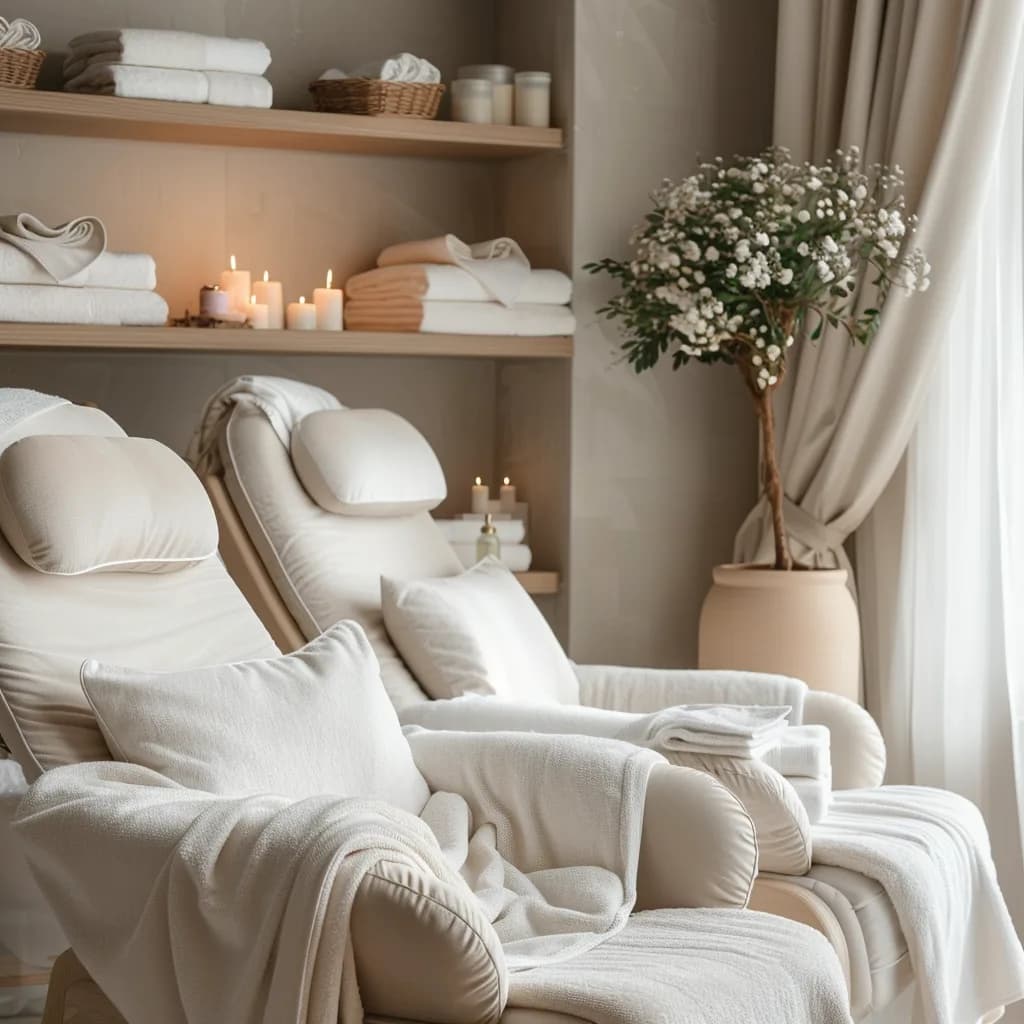
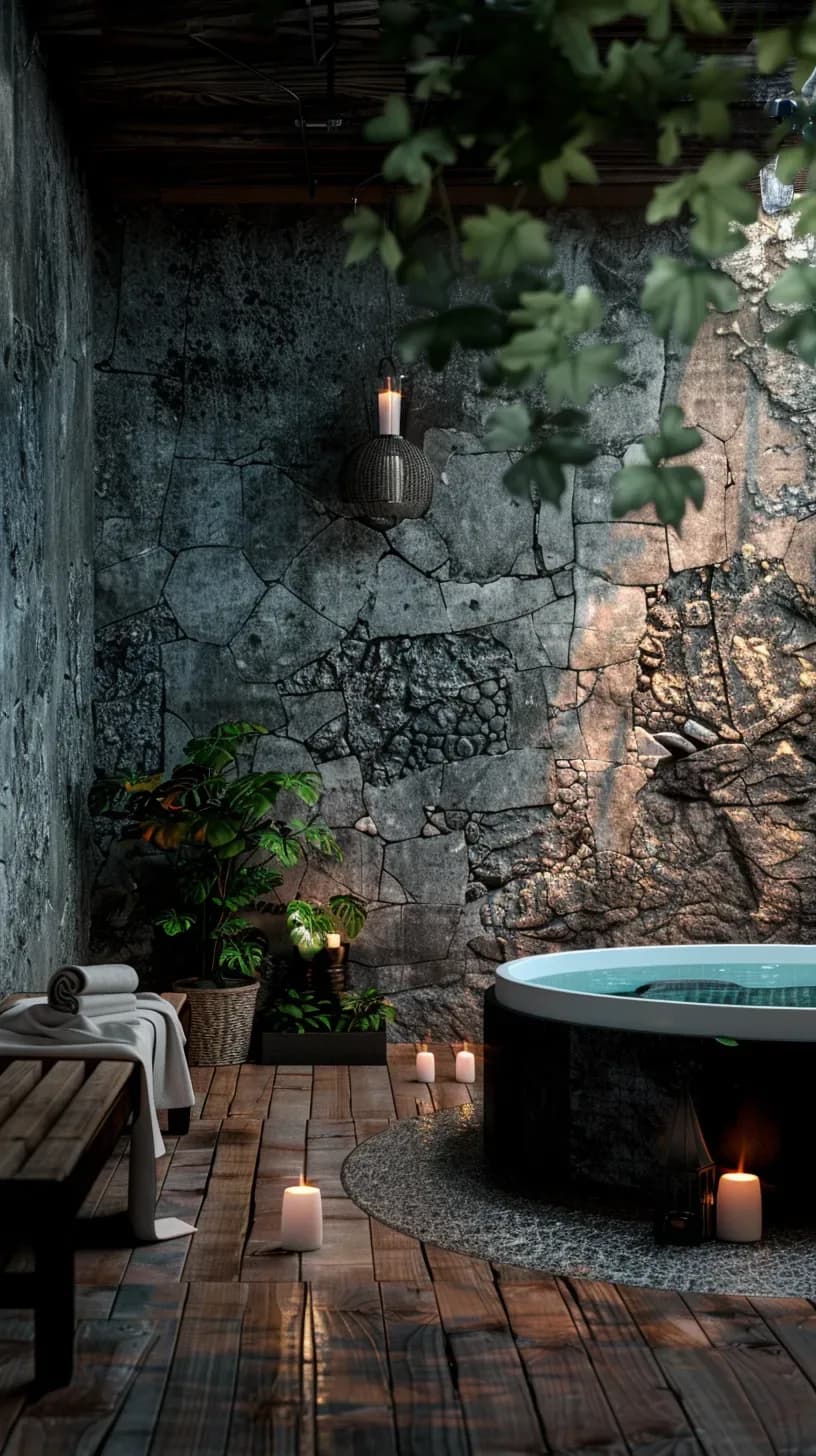
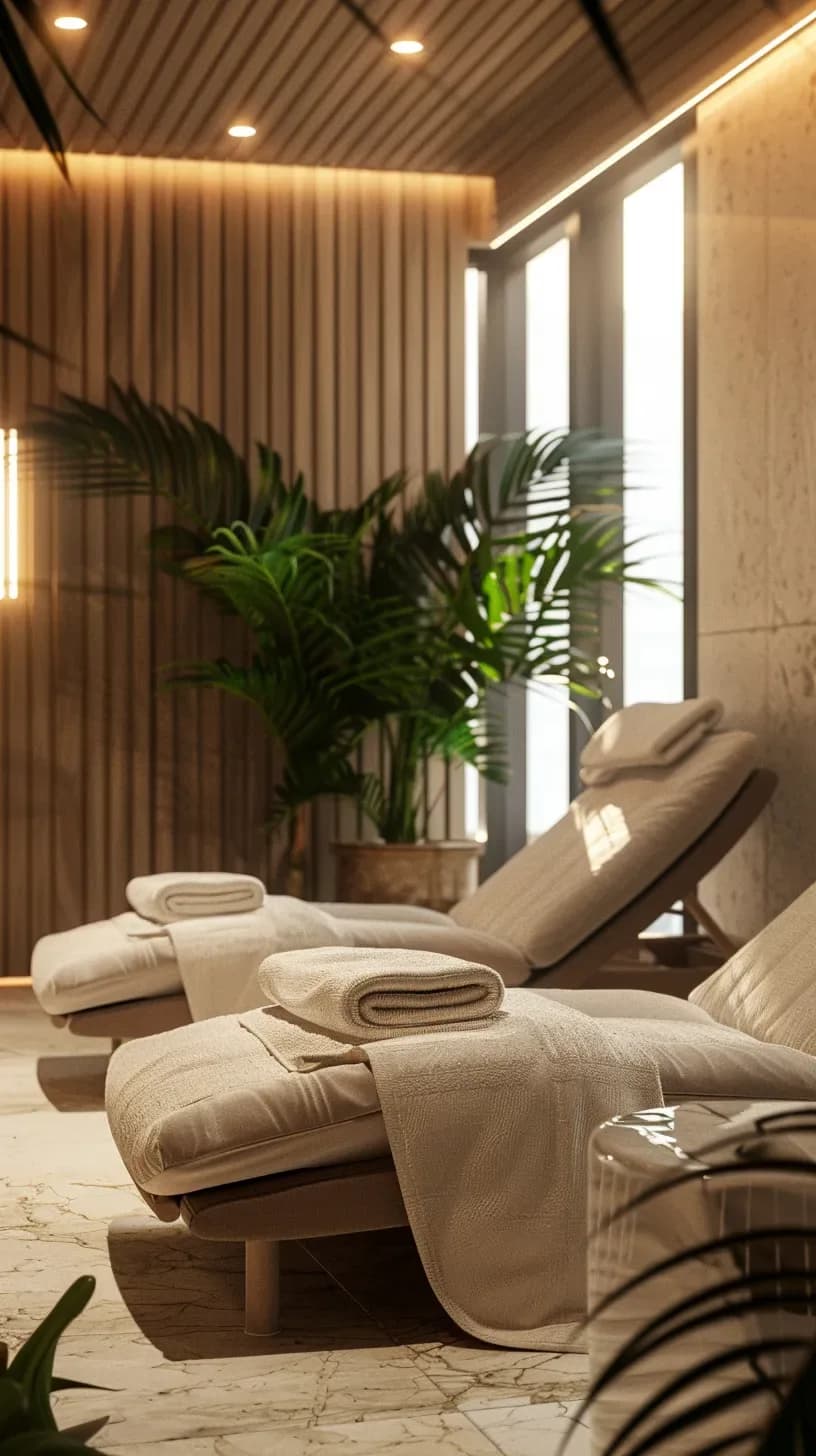

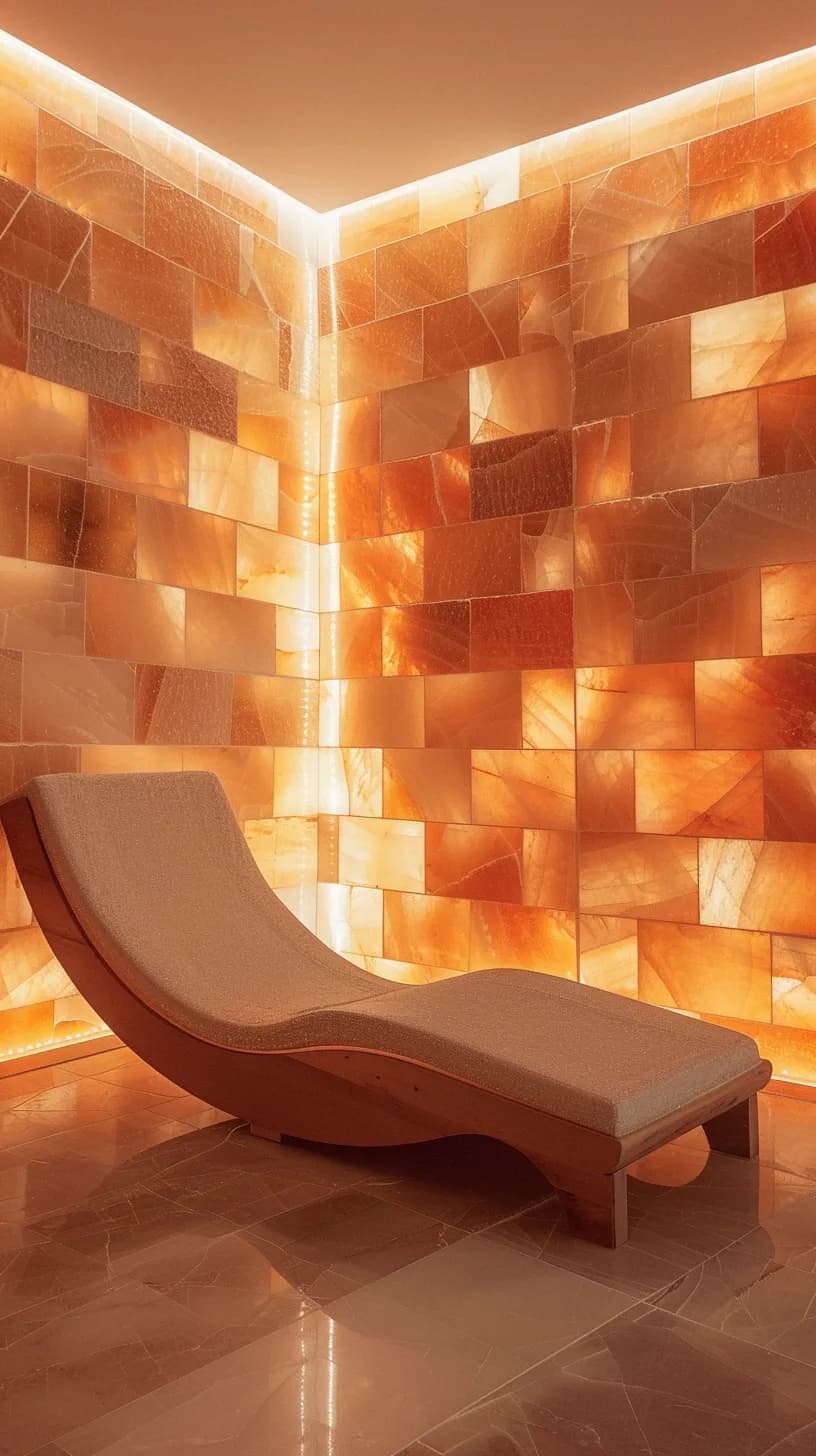




Before You Start, These Are The Ground Rules for Beginner Circuits
Before we get fancy with “clarity circuits” and “deep resets”, a quick set of principles:
1. Think gentle before you think heroic
For traditional saunas and steam rooms, most guidelines suggest 5–10 minutes for beginners, then building towards 15–20 minutes if you feel good and are well-hydrated.
If you’re new, aim for the lower end and leave while you still feel comfortable. You can always add a round next time.
2. Your nervous system is the main client, not your ego
The point of a circuit isn’t “how long can I last” or “how cold can I go?”
It’s: “Do I feel calmer, clearer, looser, or more grounded afterwards?”
If you come out wired, shaky or wiped, the protocol was too aggressive for you today.
3. Rest rounds are non-negotiable
Every loop should include heat → (optional cold) → rest.
The rest is where:
- Heart rate settles
- Blood pressure normalises
- Your system integrates the stimulus
Beginners often skip this because they’re excited (or impatient). Don’t. It’s one of the most important parts of the circuit.
4. Start small with cold (especially 0-5°C plunges)
Most conservative cold-plunge guides recommend starting with 30 to 60 seconds, and over a few weeks building towards 1–2 minutes if you tolerate it well.
Shorter is absolutely fine at very low temperatures.
A useful rule of thumb:
Focus on calm breathing, not the clock.
If you can’t control your breath, it’s too much (either too cold, too long, or both).
5. Avoid extremes if you have health conditions
Strong heat and cold can be too intense if you have:
- Serious heart or circulation issues
- Uncontrolled blood pressure
- Significant nervous system disorders
- Open wounds, acute infections, or fever
Pregnant? High heat and very hot pools are generally not recommended, especially early pregnancy.
Always check with your GP or specialist if you’re unsure.
6. Hydrate and snack intelligently
Arrive well-hydrated, and don’t go in fasted and shaky or over-full and heavy.
A light meal 1–2 hours before, plus water or electrolytes around your visit, is a good baseline.
7. Two to three rounds is enough
For beginners, 2–3 circuits of heat / (cold) / rest is plenty.
You’re building a relationship with the practice, not doing a one-time stunt.

How to Use These Circuits
Each circuit below includes:
- Who it’s for
- Total time (roughly 45 or 90 minutes)
- Sequence (step-by-step)
- A short “Why it works” to give you the why, not just the what.
Treat them as starting points. Adjust:
- Time (shorter if you’re sensitive)
- Temperature (use gentler options where available)
- Rounds (fewer is fine)
If at any point you feel dizzy, nauseous, chest-tight, or “not quite right”, stop the circuit, cool down or warm up gently, hydrate, and ask staff for help if needed.
45-Minute Circuits
1. The Nervous System Reset (45 Minutes)
Perfect for:
First-timers, anxious minds, people who feel “fried” from work or life.
Goal:
Down-shift your nervous system without shocking it. Think: soft, warm, slow.
Total time: ~45 minutes
Sequence
- Arrive & orient (5 minutes)
- Quick rinse or shower
- Look around, pick your rest zone (lounge chair / quiet corner / tea area)
- Sip some water or tea
- Gentle warm-up (5 minutes)
- Option A: Warm magnesium pool or warm shower
- Option B: Lower-bench sauna for just 5–7 minutes
You should feel warm and relaxed, not drained.
- Soft cool-down (1–2 minutes)
- Skip the hardcore plunge.
- Do a cool or slightly cold shower, or dip ankles/calves into a cooler pool.
- Rest round (8–10 minutes)
- Sit or lie down. Breathe slowly: longer exhale than inhale.
- Hydrate. Notice how your heart rate and headspace feel.
- Second heat round (5–8 minutes)
- Same as before: gentle sauna (lower bench) or warm pool.
- If you feel more confident, you can add 1–2 minutes.
- Optional short cool exposure (30–60 seconds)
- A quick cool shower or a short, shallow plunge (up to mid-thigh).
- Keep breathing calm and steady.
- Final rest & integrate (10–12 minutes)
- Finish in a rest area, wrapped in a towel or robe.
- Warm herbal tea, slow breathing, no rush to “do the next thing”.
Why it works
This keeps everything sub-maximal: short heat, soft cold, long rest. That’s ideal for your first encounters with thermal stress. You get the benefits of heat (improved circulation, relaxation, possible cardiovascular benefits over time) without flirting with dehydration or overheating.

2. The Clarity Circuit (45 Minutes)
Perfect for:
Midday reset, work-from-home fog, “I need my brain back” days.
Goal:
Sharpen focus and mood without leaving you wiped out.
Total time: ~45 minutes
Sequence
- Arrive & sip (5 minutes)
- Light drink (water or herbal tea, not a sugary energy drink).
- Quick shower.
- Infrared or mild sauna (8–10 minutes)
- Infrared is great here if your venue has it (temps are lower, but still effective).
- You should come out feeling noticeably warm and loose, not cooked.
- Short cool exposure (30–60 seconds)
- Cool shower or brief plunge (avoid fully dunking if you’re new).
- Focus on exhaling slowly: in through your nose, out through your mouth.
- Rest & breathe (5–7 minutes)
- Sit upright in a lounge chair.
- 4–6 slow breaths per minute (roughly 5–6 second inhale, 6–8 second exhale).
- Second heat (5–7 minutes)
- Sauna or warm magnesium pool again, this time slightly shorter than the first round if you’re feeling taxed.
- Final cool rinse (30–60 seconds)
- Quick cool shower or light plunge again.
- Sit, write, or plan (8–10 minutes)
- Use the last part of the circuit to jot a few notes or simply plan the rest of your day.
- Many regulars find the best ideas hit after the last round, when the nervous system has settled.
Why it works
Heat improves blood flow and may act a bit like light cardio for the heart; many people report clearer thinking and improved mood after regular sauna use.
The gentle cold rounds wake the system up, and the deliberate breathing helps lock in focus rather than leaving you spun out.

3. The Social Starter (45 Minutes)
Perfect for:
Couples, friends, “I don’t want to talk about protocols, I just want it to flow.”
Goal:
A simple shared circuit that gives structure without turning the visit into homework.
Total time: ~45 minutes
Sequence
- Shared warm-up (5–7 minutes)
- Warm pool or shared sauna bench
- Agree one thing: “We’ll both leave when one of us has had enough.” No pushing.
- Cool rinse together (1–2 minutes)
- Walk to a cool shower or cool pool steps together.
- You don’t both have to fully plunge; one can go deeper while the other stays at legs/hips.
- Rest & chat (8–10 minutes)
- Find loungers side by side.
- Keep voices low to respect others, but use this as your check-in moment.
- Second loop (10–12 minutes total)
- Heat: 5–7 minutes
- Cool: 30–60 seconds
- Rest: 3–5 minutes
- Finish in your favourite spot (10–12 minutes)
- Pick one area you both liked (often the warm pool or a quiet lounge).
- End there, not rushing, letting the nervous system settle.
Why it works
You’re still getting 2 full rounds of heat/rest with optional cold, but the emphasis is on connection and pacing together, not “perfect protocol.” Shared rituals are one big reason bathhouses are becoming social third spaces rather than solo spa escapes.

4. First Cold Plunge Circuit (45 Minutes)
Perfect for:
People who are cold-curious but nervous (or tired of being peer-pressured into 3-minute plunges on day one).
Goal:
Experience cold as information, not trauma.
Total time: ~45 minutes
Sequence
- Warm-up gently (8–10 minutes)
- Sauna (lower bench) or warm magnesium pool.
- Don’t go to your max; you’re just preparing the body.
- Walk to the plunge, don’t rush (2 minutes)
- Stand by the edge.
- Take five slow breaths before you even touch the water.
- Round 1: Just to the shins (20–30 seconds)
- Step in to mid-shin or knee height.
- Focus entirely on exhaling slowly.
- Step out while you still feel in control.
- Warm rest (8–10 minutes)
- Towel off fully.
- Sit somewhere warm, not drafty.
- Notice how you feel: more alert? a bit tingly?
- Round 2: To the hips, still short (30–45 seconds)
- Repeat the approach.
- Stop at hips/waist depth this time if it feels okay.
- Again, prioritise calm breath over time.
- Rest & decide (8–10 minutes)
- This is your debrief.
- Ask yourself honestly: “Do I want a third, slightly deeper round, or is this enough for today?”
- Optional Round 3: Full plunge light (30–60 seconds)
- Only if you want to.
- Go in chest-high, shoulders optional.
- Exit before you start to shiver hard or lose breath control.
- Final warm rest (10 minutes)
- Finish warm.
- Herbal tea, robe, and feet off the cold floor.
Why it works
You’re obeying a basic principle of cold adaptation: change one variable at a time. Either deeper or longer, not both at once.
You end the session thinking, “I could do that again,” rather than, “Never again.” That mindset is what supports consistent practice.

90-Minute Circuits
5. The Deep Reset Circuit (90 Minutes)
Perfect for:
Burnout, big life phases, “I need a full nervous system reboot.”
Goal:
Three slow loops of heat / cold / rest without rushing.
Total time: ~90 minutes
Sequence
- Arrival & grounding (10 minutes)
- Slow shower, hydrate, look around.
- Set a simple intention: calm, clarity, or sleep.
- Loop 1 – Gentle (20 minutes)
- Heat: 8 minutes (lower bench or milder heat)
- Cold: 20–30 seconds cool shower or gentle plunge
- Rest: 8–10 minutes in a quiet zone
- Loop 2 – Medium (25 minutes)
- Heat: 8–10 minutes (you can move one bench higher if comfortable)
- Cold: 30–45 seconds (still within beginner range)
- Rest: 10–12 minutes, legs elevated if possible
- Loop 3 – Choose your emphasis (20–25 minutes)
Choose based on how you feel now:- If wired: more rest, less cold
- If heavy: slightly more cold, same heat
- Example:
- Heat: 6–8 minutes
- Cold: 30–60 seconds
- Rest: 10–12 minutes
- Integration (10–15 minutes)
- Finish in your favourite spot (often a warm pool or lounge).
- Try not to jump straight onto your phone; give your brain a real break.
Why it works
You’re working towards the kind of 2–3 rounds of sauna and cooling that long-term studies associate with better cardiovascular and all-cause mortality profiles, while still staying within conservative times and listening to your own body.

6. The Sleep Ritual (90 Minutes - Evening)
Perfect for:
After-work decompression, jet lag, broken sleep, “I wake at 3am” crowd.
Goal:
Use heat and gentle contrast to set up a deeper sleep window later.
Total time: ~90 minutes
Sequence
- Slow start (10 minutes)
- Warm shower or bathhouse pool, low light if possible.
- No caffeine from here.
- Heat-heavy first loop (25 minutes)
- Heat: 10 minutes sauna or steam
- Mild cool: 20–30 seconds cool shower (not a savage plunge)
- Rest: 10–12 minutes lying down, eyes closed
- Second loop, softer (25 minutes)
- Heat: 8 minutes (or warm pool if sauna felt too strong)
- Cool: 20–30 seconds again, just enough to reset
- Rest: 10–12 minutes, focusing on long exhale and heavy limbs
- Final loop: skip the cold (15–20 minutes)
- Heat: 5–8 minutes at a gentle level
- Rest: 10–12 minutes, wrapped warm, ideally in a low-light area
- You don’t finish with cold in a sleep circuit; you want the post-heat drop in core body temperature to cue sleepiness later.
- Home transition (10 minutes)
- Hydrate, light snack if needed.
- Try to keep lights dim and screens minimal for at least an hour after.
Why it works
Heat followed by a gradual cool-down can encourage the natural drop in core temperature that supports falling asleep more easily.
You deliberately avoid intense cold at the end so you don’t spike adrenaline right before bed.

7. The Recovery Circuit (90 Minutes)
Perfect for:
Regular exercisers, long-walk people, “my legs are cooked” days.
Goal:
Support circulation, reduce perceived soreness, give joints and muscles a break without over-treating.
Total time: ~90 minutes
Sequence
- Arrive, hydrate, check in (10 minutes)
- Drink water or electrolytes.
- If you feel faint, hungover, or unwell, skip the circuit and just rest.
- Warm tissue up (15–20 minutes)
- 10 minutes in a warm magnesium pool or infrared sauna to increase blood flow and loosen muscles.
- Gentle mobility in water (ankle circles, slow hip movements).
- Short cold for legs (30–60 seconds)
- Cold plunge to knee or mid-thigh, or stand in a cold pool.
- Focus breathing mostly on exhale; this helps your body interpret the stress as manageable.
- Rest & elevate (10–12 minutes)
- Recline if possible, with calves on a bolster or edge of a chair.
- Let your legs feel heavy; avoid scrolling or working.
- Second loop (20–25 minutes)
- Heat: 8–10 minutes (sauna or warm pool again)
- Cold: 30–60 seconds
- Rest: 8–10 minutes, again with legs slightly elevated
- Optional third loop or extended warm soak (15–20 minutes)
- If you’re feeling good: one more short loop.
- If you’re cooked: skip the cold and just finish in a warm pool or rest area.
- Finish gentle, not hyped (10 minutes)
- You want to walk out looser and a little heavy-limbed, not wired.
Why it works
Alternating heat and cold appears to help with post-exercise soreness and recovery for many people, likely through effects on circulation, swelling and perception of fatigue.
The key is that beginners don’t over-do extreme cold or marathon sauna sessions on top of already stressed tissue.

Common Beginner Mistakes to Avoid
Even with good circuits, a few things can derail your experience:
- “Just one more round” when you’re already wiped
- Treating a 0–2°C plunge like a dare, not a practice
- Skipping rest because you’re “short on time”
- Staying in the sauna until you feel faint, not just pleasantly done
- Doing circuits hungover or severely sleep-deprived
- Treating hydrotherapy as a substitute for medical care when you’re unwell
If in doubt, go easier, shorten everything, and rest more.
Which Circuit Should You Start With?
- Overwhelmed, anxious, or new to the whole thing? → The Nervous System Reset (45 min)
- Midday foggy brain? → The Clarity Circuit (45 min)
- Going with a partner or friend? → The Social Starter (45 min)
- Cold-curious but nervous? → First Cold Plunge Circuit (45 min)
- Burned out and have more time? → The Deep Reset (90 min)
- Struggling with sleep? → The Sleep Ritual (90 min, evenings only)
- Sore from training or long days on your feet? → The Recovery Circuit (90 min)
Final Thought
Bathhouses are rapidly becoming the “gym program” of modern wellness… not just somewhere you drift around hoping to feel better, but spaces where you can follow simple, repeatable circuits that genuinely change how you feel week to week.
Start light. Repeat often.
The goal isn’t to conquer the sauna or the plunge.
The goal is to build a relationship with heat, cold and rest that supports the rest of your life.


