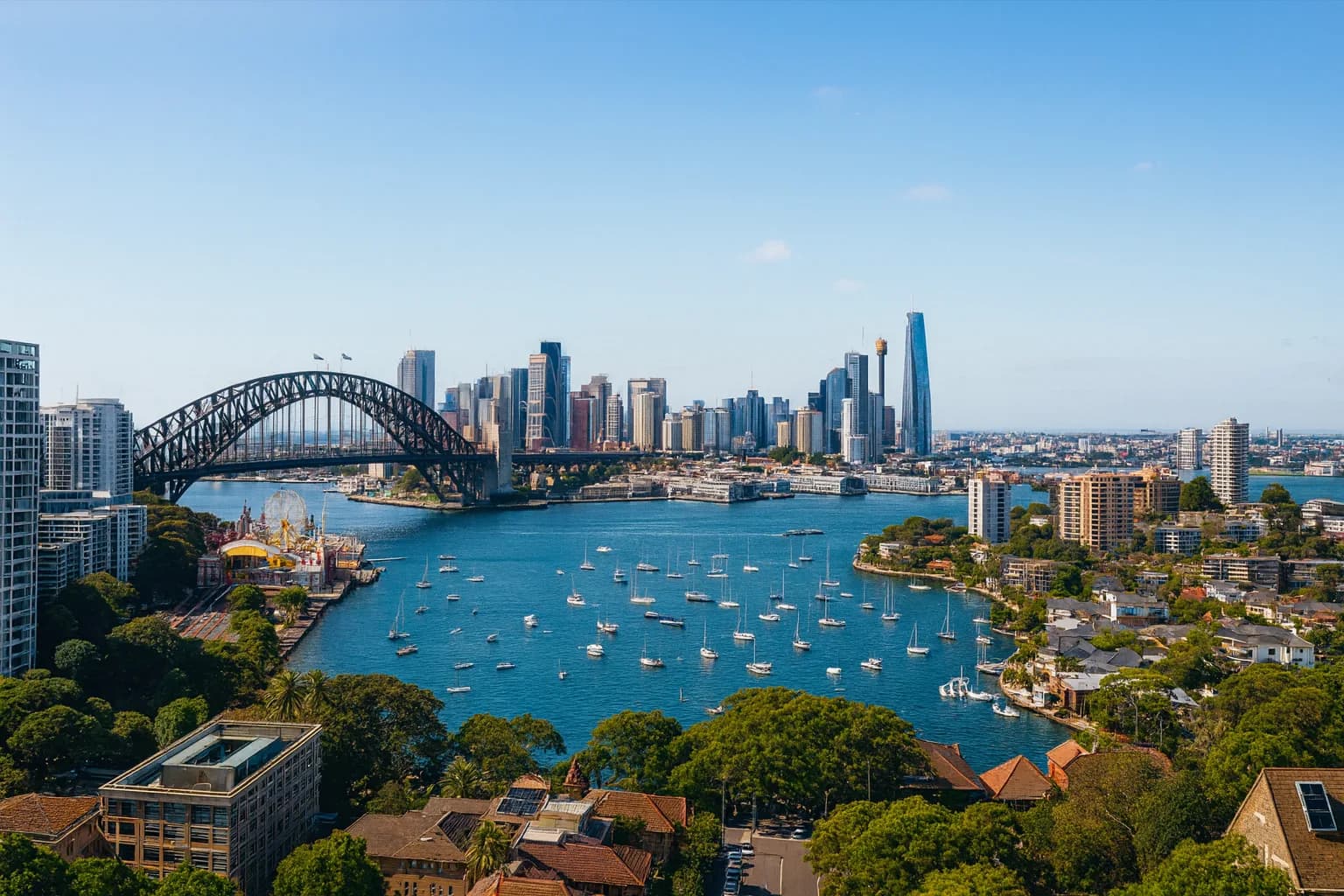

Wellness in Australia used to be somewhere you went. A studio appointment fitted into a packed week. A clinic you drove across town for. A retreat you booked once a year when you felt depleted enough to justify it.
Now, increasingly, it’s becoming something you live inside.
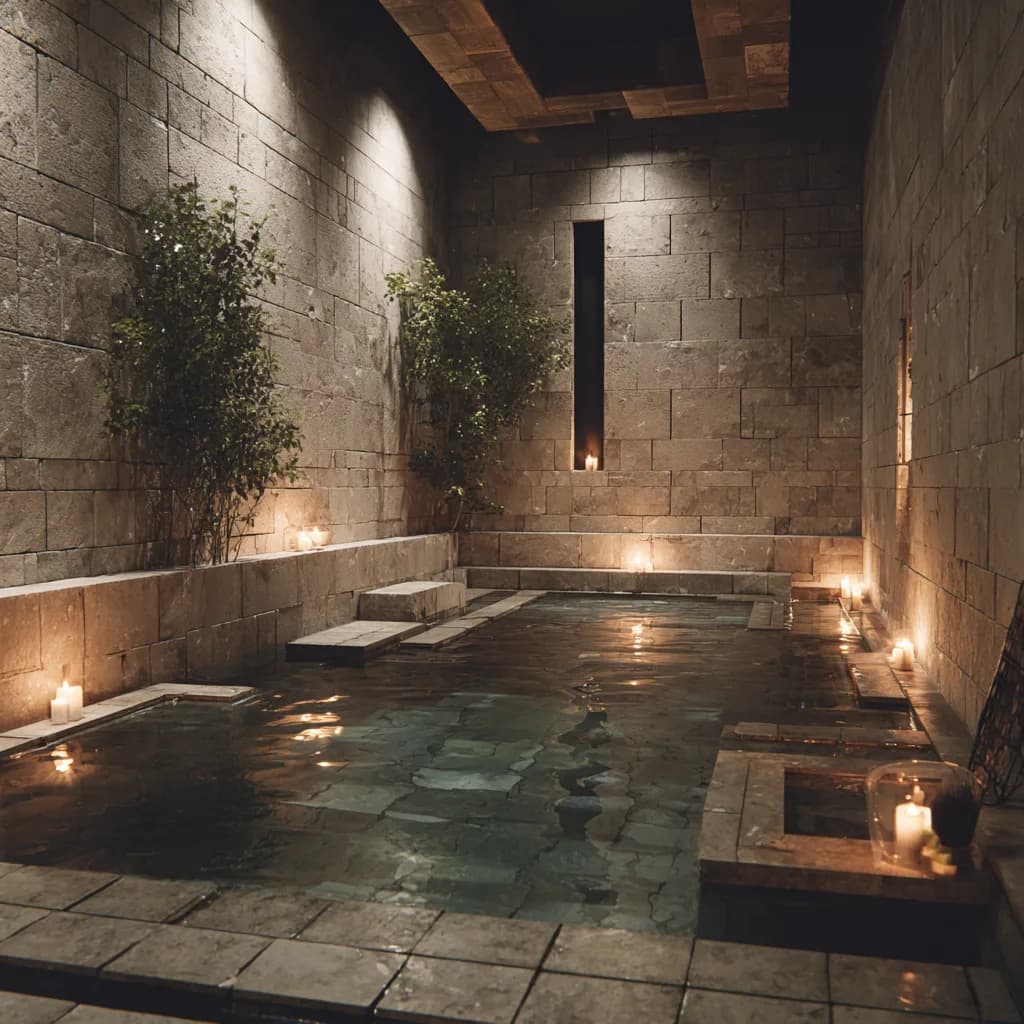
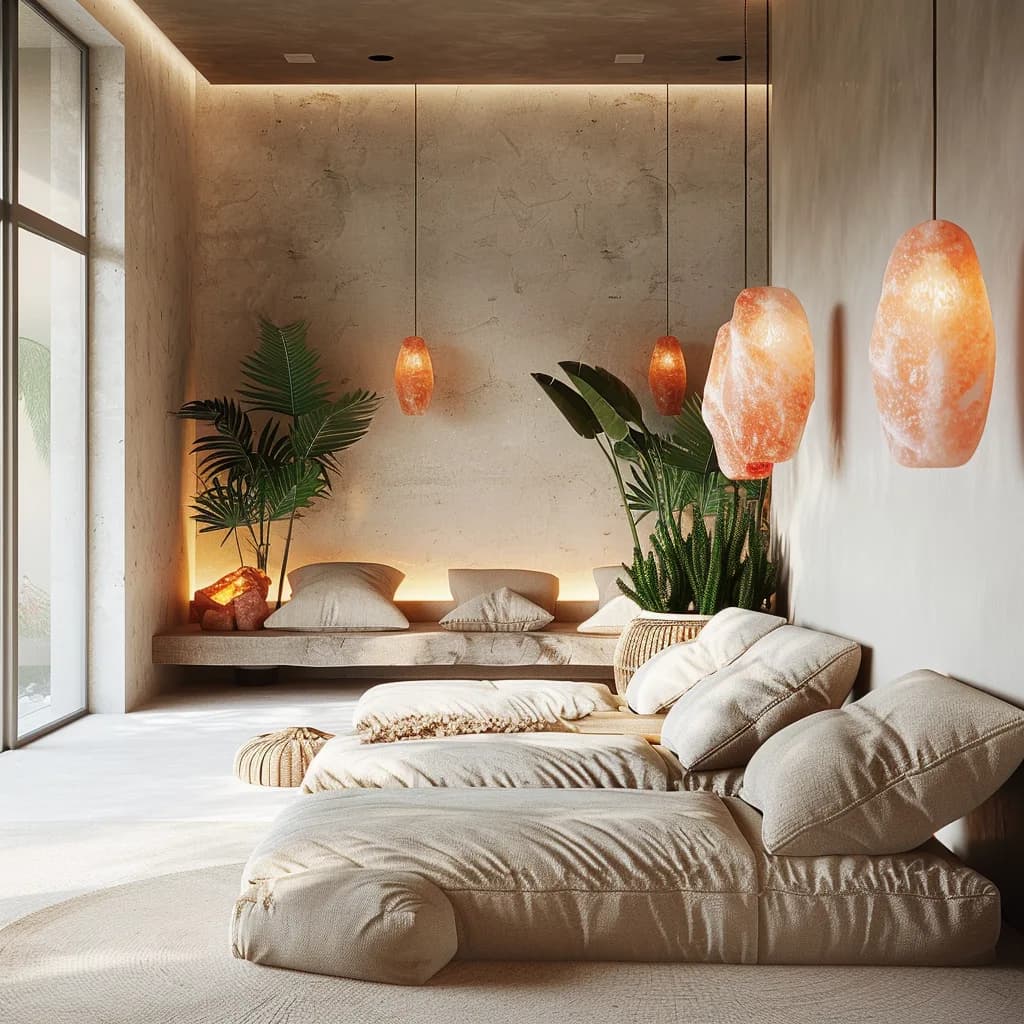
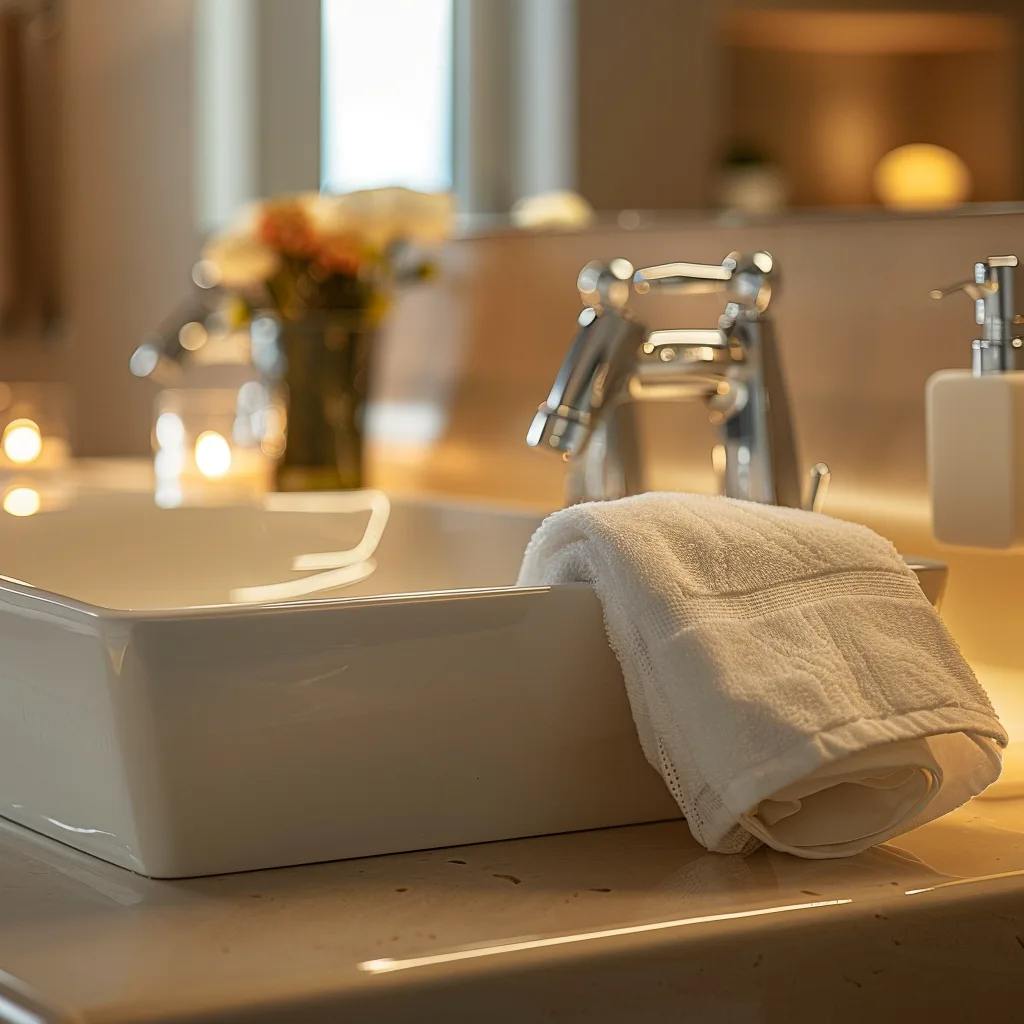
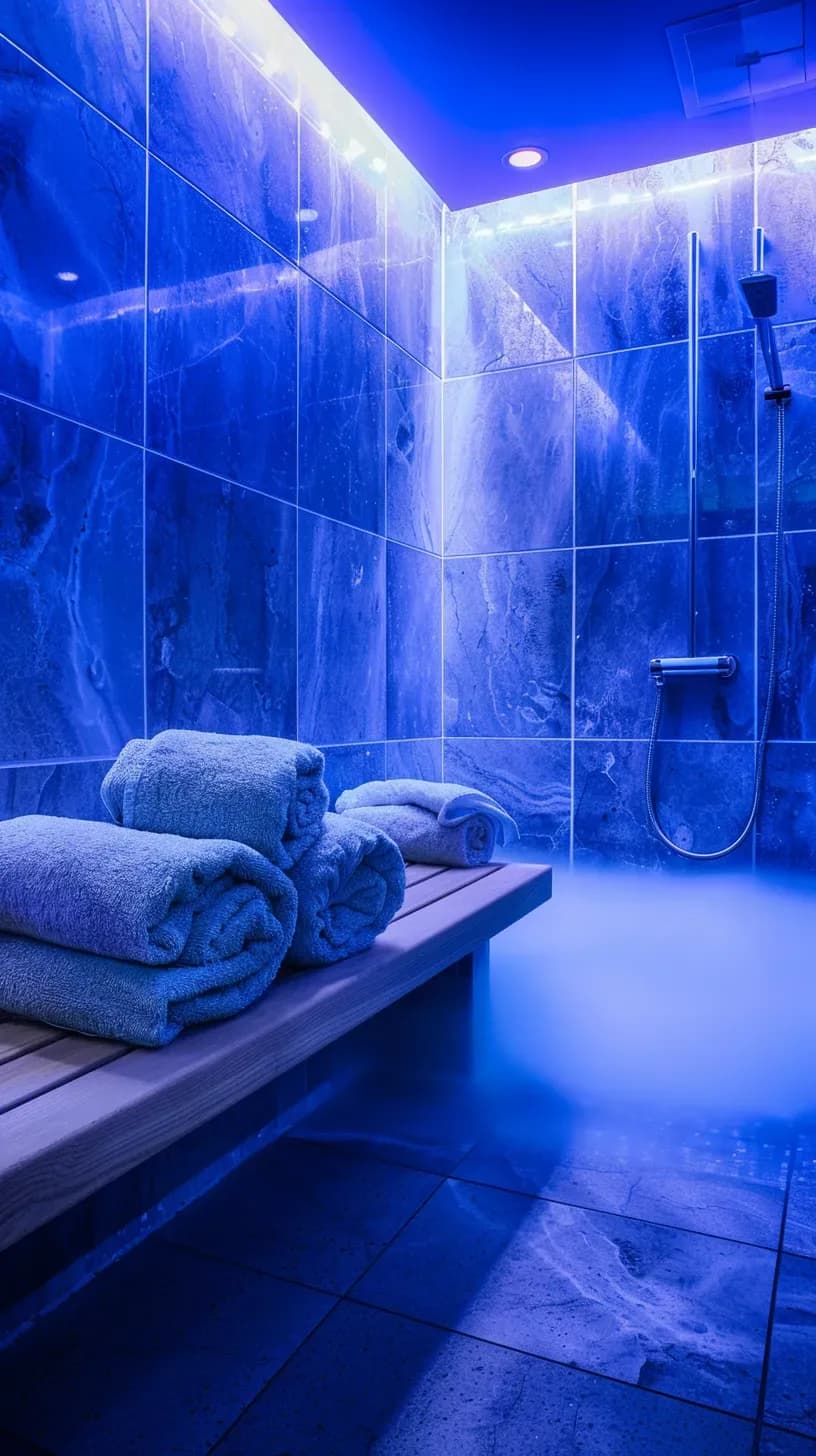
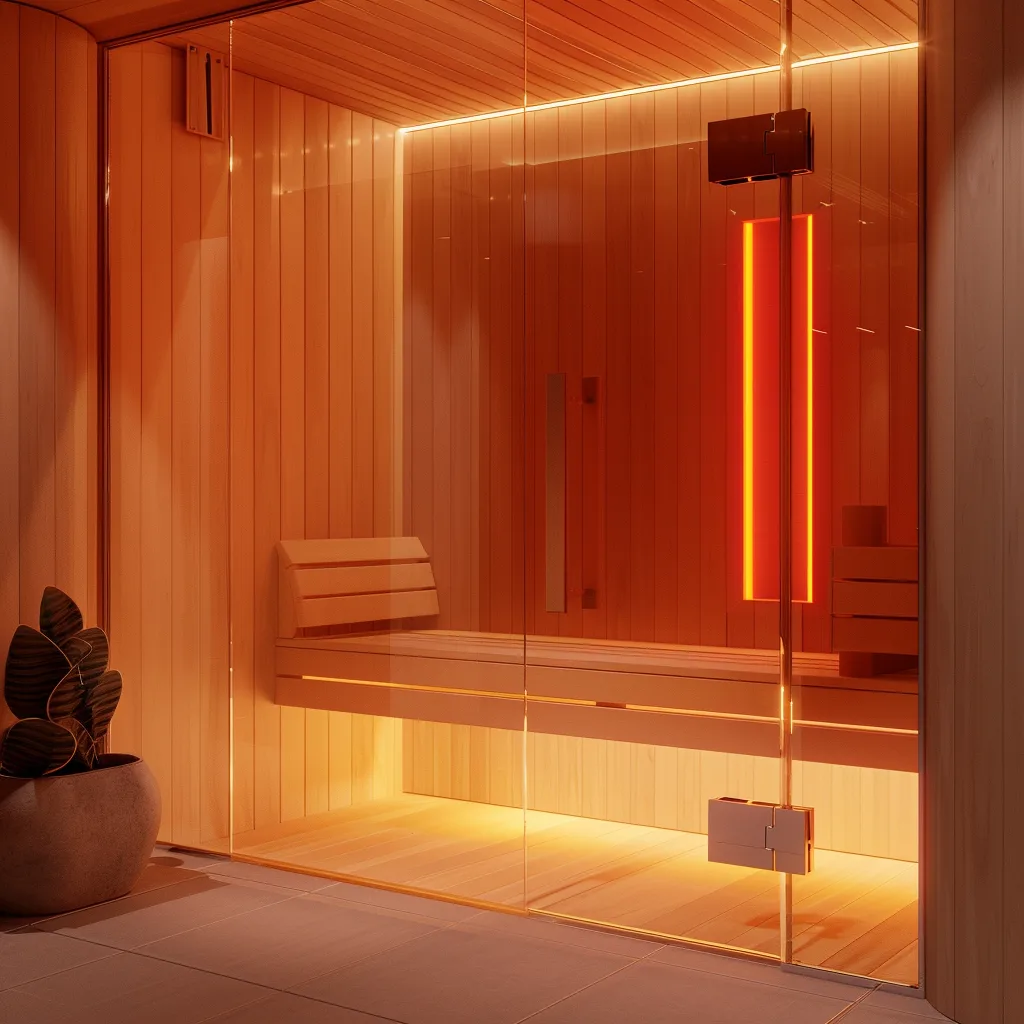
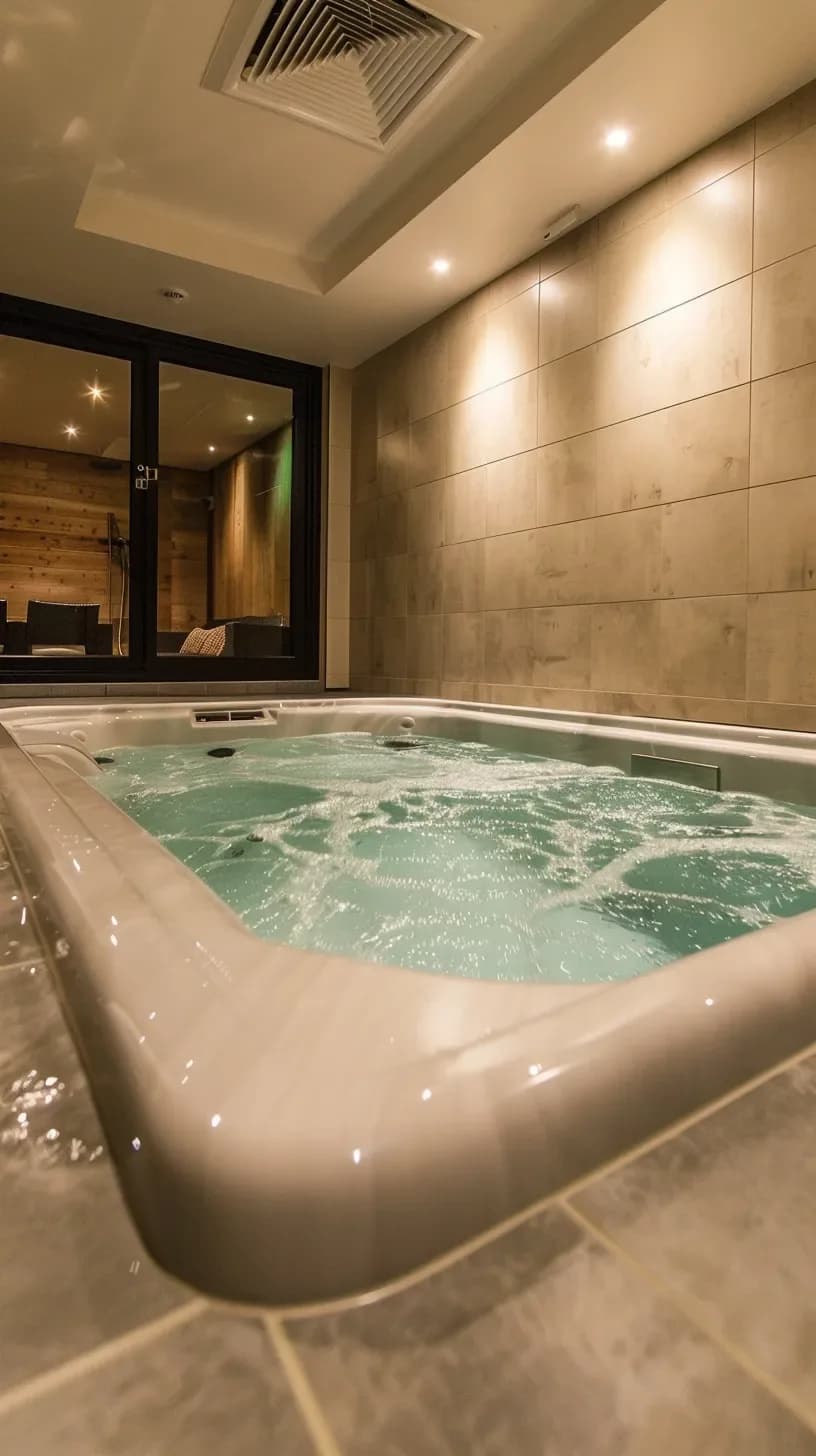
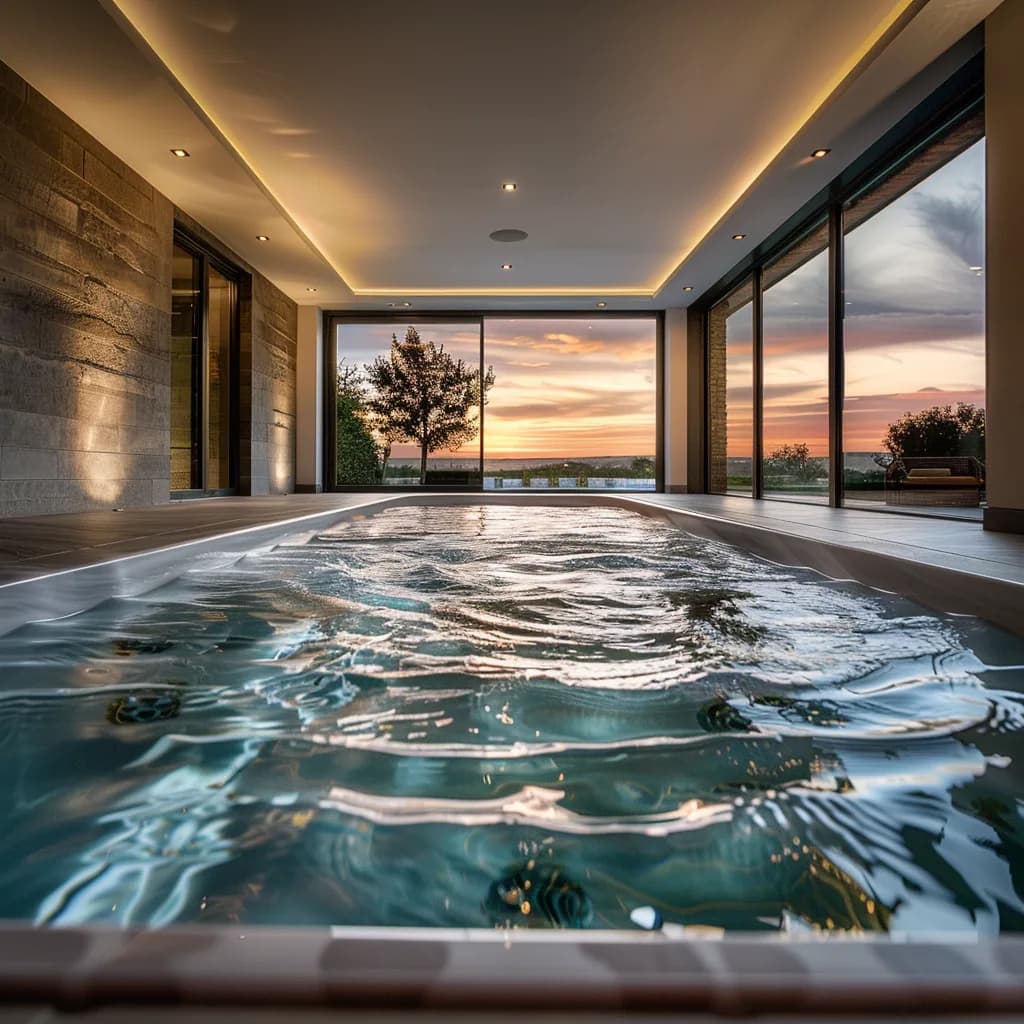
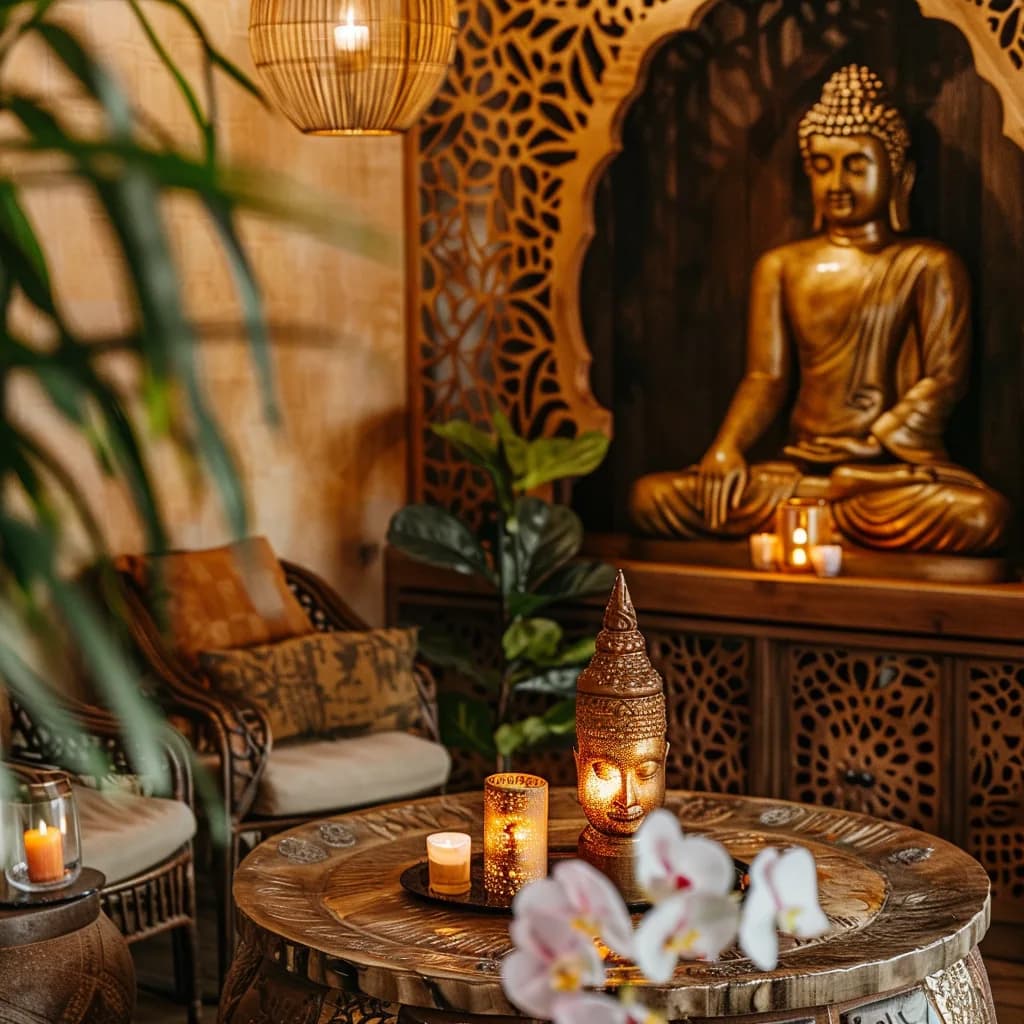
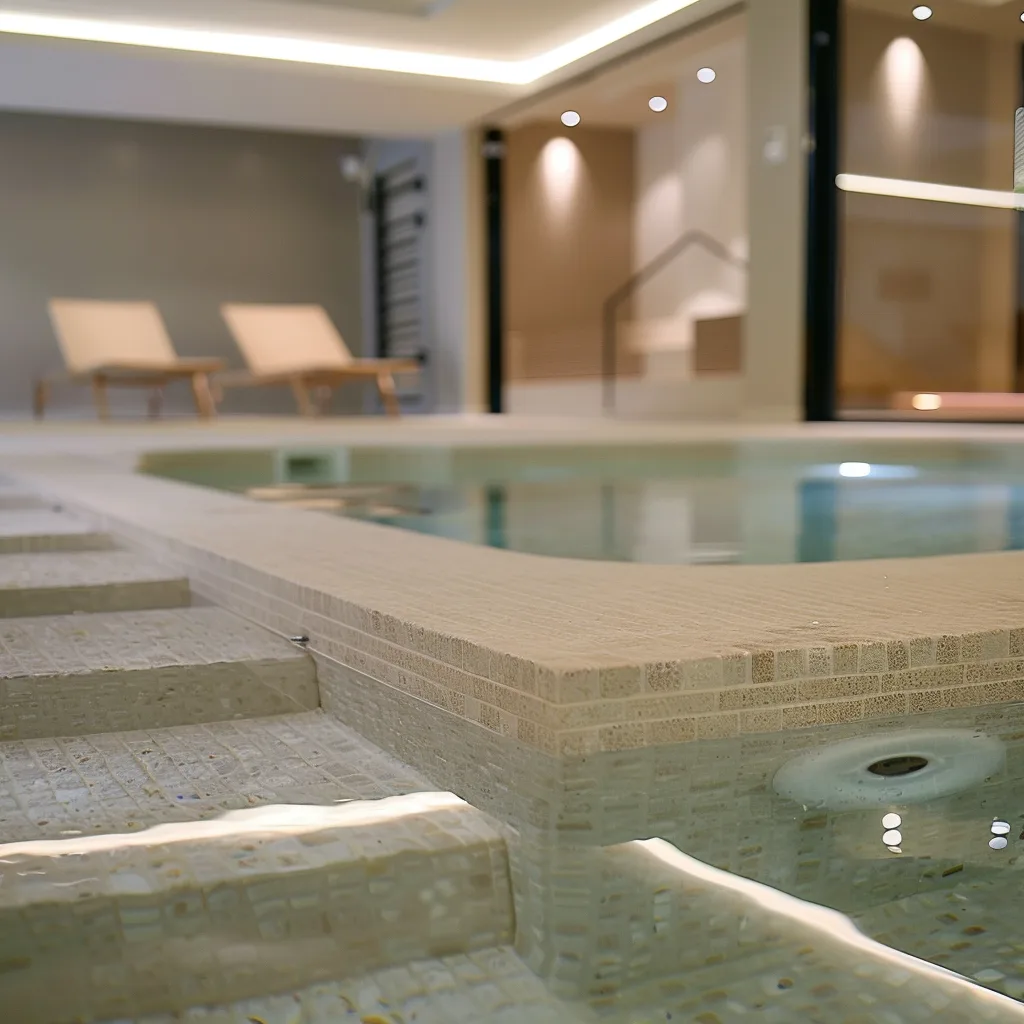
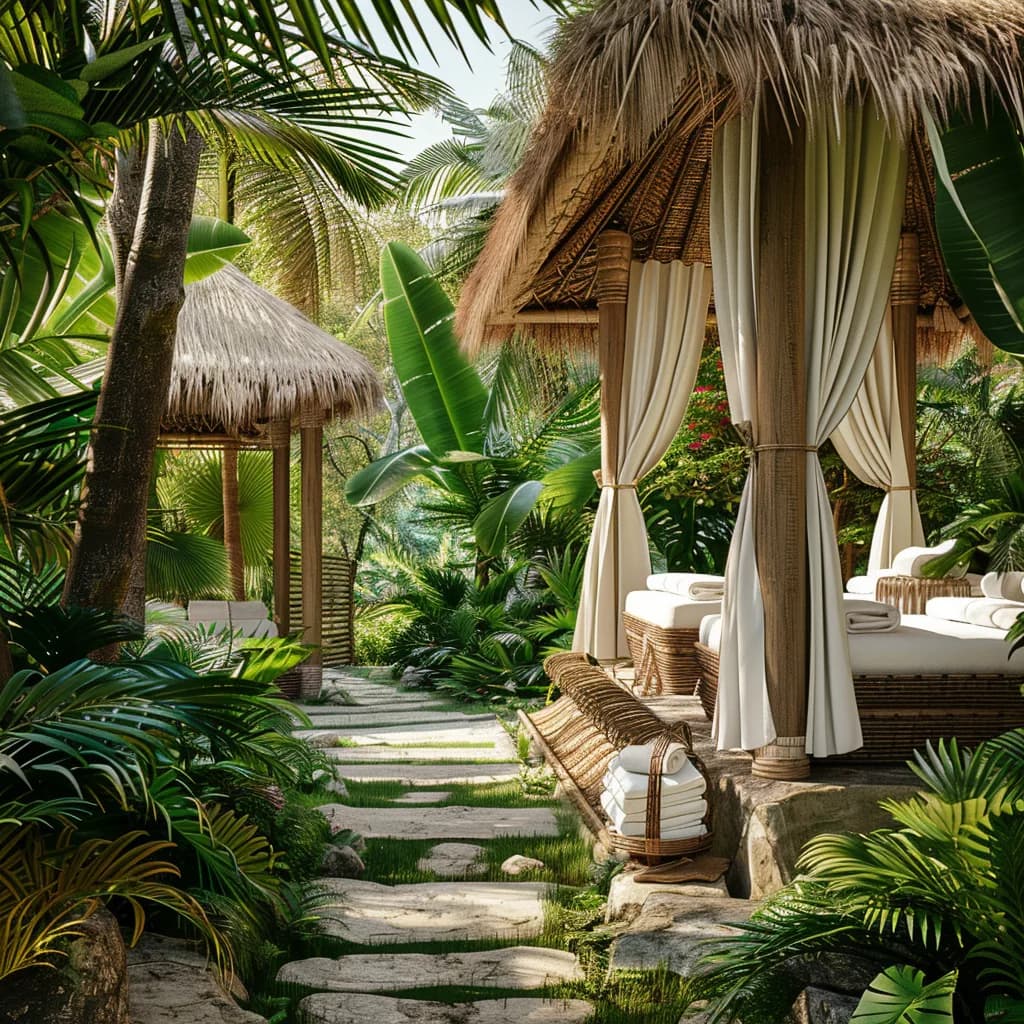
Across premium residential developments wellbeing is shifting from a “nice extra” to a design brief. Not as ambience. As infrastructure. The same way gyms and pools once became shorthand for modern apartment living, saunas, cold immersion, recovery zones, meditation rooms and on-site practitioners are starting to define a new baseline.
This shift is still largely invisible to the wider public. It’s happening behind private lobbies and resident-only doors. But it’s already reshaping how people experience daily life at home.
Browse Our Spas








So, who is Paulina?
Paulina is the founder of Remedial Lab and works directly inside wellness-led residential developments, delivering personalised, spa-quality wellness services within ARIA Property projects, including The Standard and Upper House. These buildings are designed with wellbeing embedded into their architecture, making them a live case study for how residential wellness functions in practice.
Her day-to-day work places her at the intersection of residents, developers and integrated wellness spaces, giving her a front-row view of how demand, behaviour and expectations are shifting inside modern apartment living.
“Wellness living, to me, means aligning daily practices that not only optimise your health but also bring you genuine joy,” Paulina told us.

Wellness Is Becoming Personal, Practical and, Well Normalised…
When we spoke to Paulina, one thing was immediately clear: she doesn’t see wellness as an identity, a trend, or a fixed set of rules. She sees it as an adaptive system, imagine something people build, test, and refine over time.
Rather than prescribing a single version of “healthy,” Paulina described wellness living as an evolving blend of mind, body, spirit, connection, movement and nutrition, shaped by the season of life someone is in, not by external expectations.
“In my community I see that everyone engages with wellness differently… The beauty of wellness is that it evolves with you,” she said.
This perspective marks a clear break from the previous era of wellness-as-performance. The new model isn’t about optimisation for its own sake. It’s about sustainability. What can someone realistically maintain (physically, emotionally and mentally) within the life they’re actually living?
This is where residential integration plays a critical role. By embedding wellness into the environment itself, it removes the friction that quietly derails even the best intentions:
- travel time that turns self-care into a logistical task
- decision fatigue around when, where and how to prioritise health
- scheduling friction that competes with work, family and life
- the constant internal negotiation between “I should” and “I can’t”
From Paulina’s perspective, this is the inflection point. Wellness doesn’t scale because people suddenly become more disciplined. It scales when environments make healthy choices easier to repeat.
That’s the shift underway now. From wellness as aspiration to wellness as infrastructure.

2020 Was The Moment The Shift Became Undeniable
If Australia has a clear inflection point for this movement, it’s 2020.
Paulina told us she noticed the change in real time. During the pandemic she was still working as a mobile therapist, treating clients at home while many parts of life stalled.
“What stood out… was how urgently people wanted to create wellness within their own environment.” Paulina recalled.
People weren’t only booking treatments. They were building systems.
They asked her for guidance on saunas, ice baths and recovery tools. Things like, what to buy, what to install, what would actually make a difference. The home stopped being just a place to rest. As Paulina explained, “no one knew when the world would open again,” so people began investing in their homes as a sanctuary as a controlled environment for stress regulation and physical maintenance.
“That was the moment wellness living truly began… Australians didn’t just want wellness services, they wanted wellness built into the way they lived.” Paulina said.
The pandemic didn’t invent the desire for wellbeing. It accelerated a broader realisation: occasional wellness isn’t enough when life is heavy every day.
What Paulina witnessed in 2020 wasn’t a temporary response to crisis, it was a behavioural shift. Once people experienced what it felt like to have wellbeing embedded into their environment, expectations changed. Wellness stopped being something to return to “one day” and became something people wanted built into daily life, permanently.
That shift hasn’t reversed. It’s been designed forward.
Australia’s Version Of Residential Wellness Is Different
Globally, wellness amenities inside luxury developments aren’t new. In the US, Dubai and parts of Europe, wellness has been embedded into high-end residential living for years and are often positioned as a marker of status.
Paulina has seen those models firsthand through her international experience and years working across different wellness environments. In our conversation, Paulina said Australia is moving quickly, but in a uniquely Australian way.
“Australia has taken a more considered, lifestyle-driven approach.” Paulina noted.
It’s less about spectacle and more about usability. Australians tend to value balance, nature, sunlight, community and quality of life so the most successful wellness environments here reflect those values.
Instead of wellness being a “bonus feature,” Paulina sees it being treated as core design:
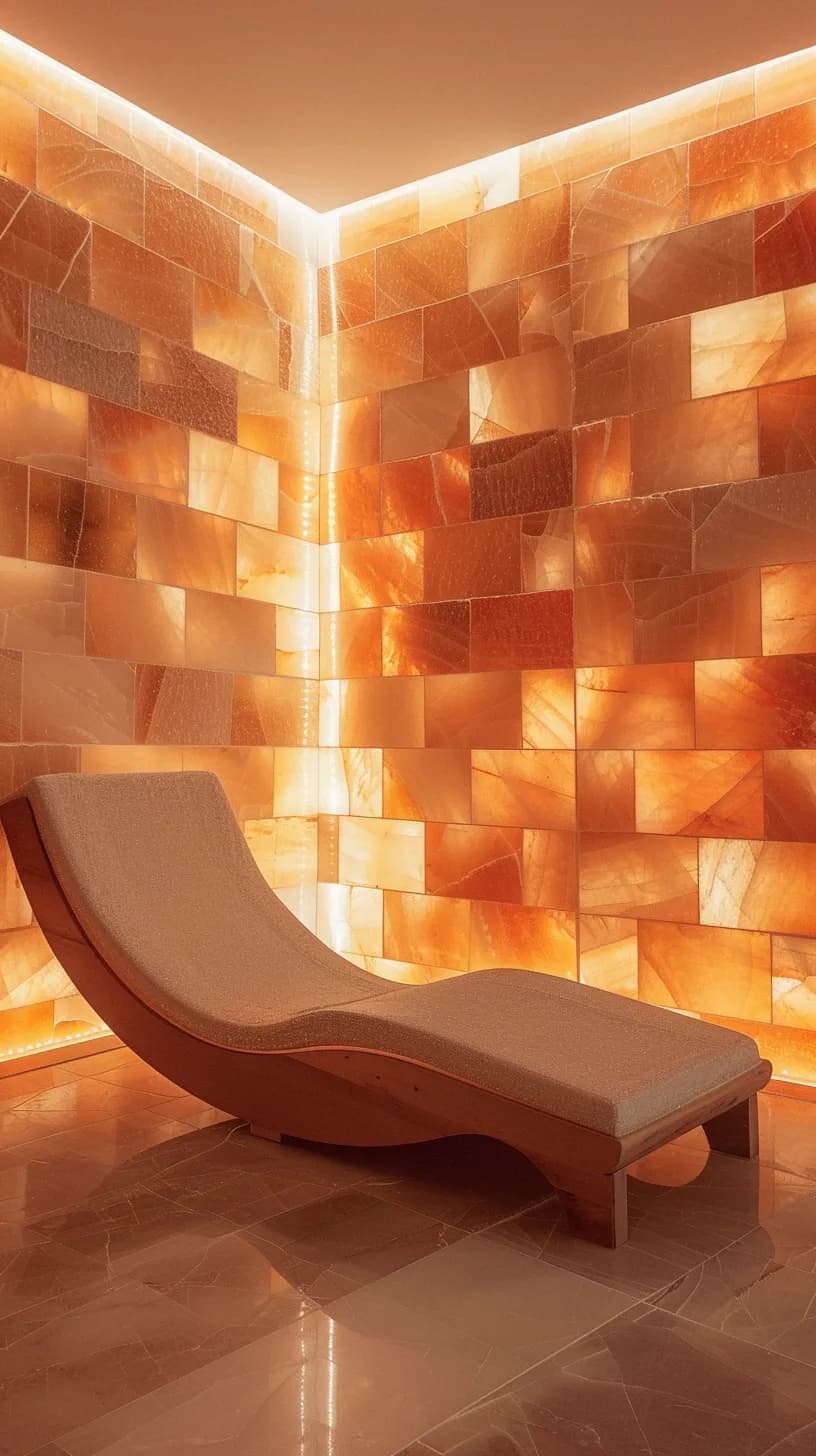
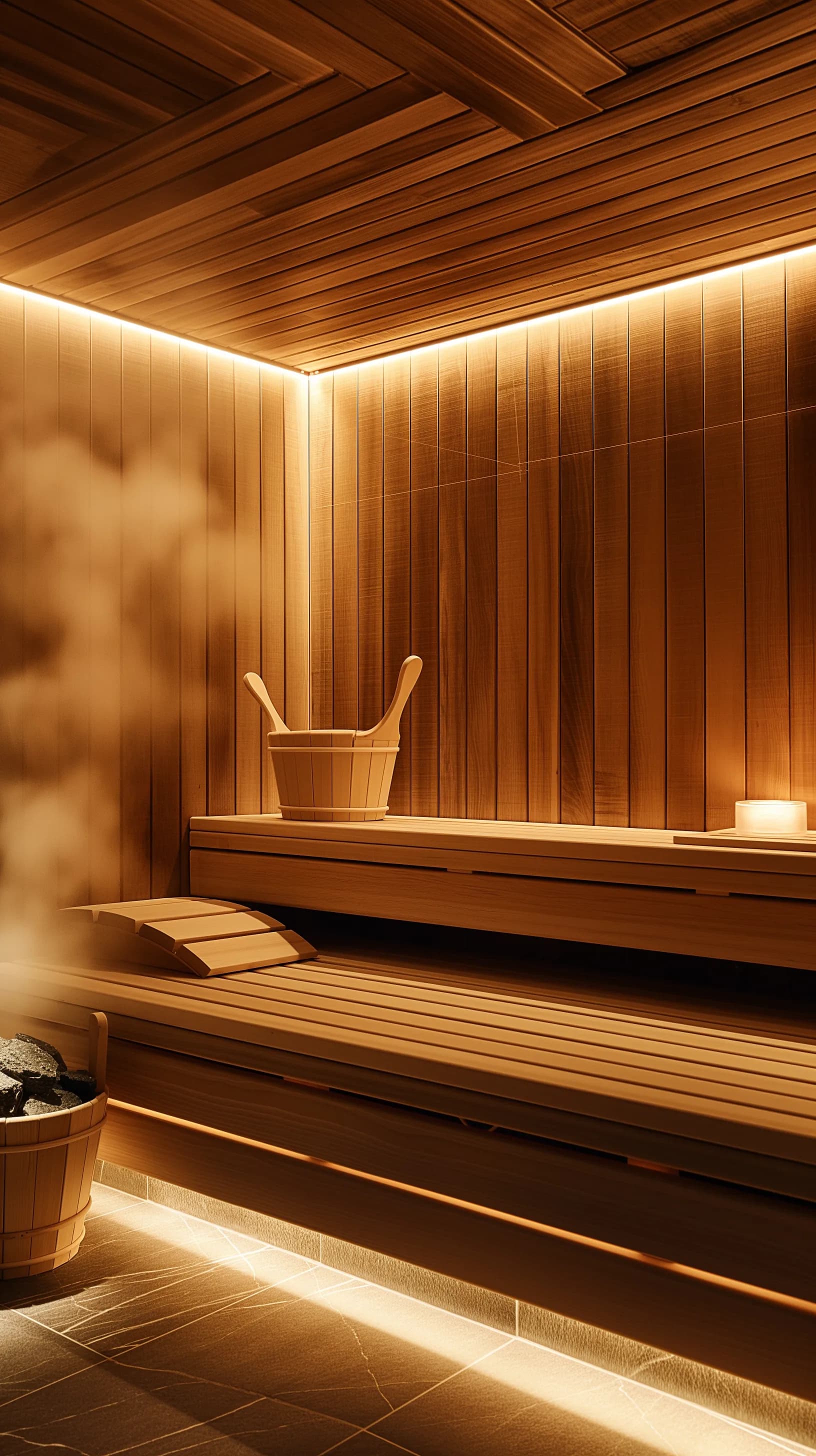
- infrared and traditional saunas
- ice baths and recovery zones
- state-of-the-art gyms
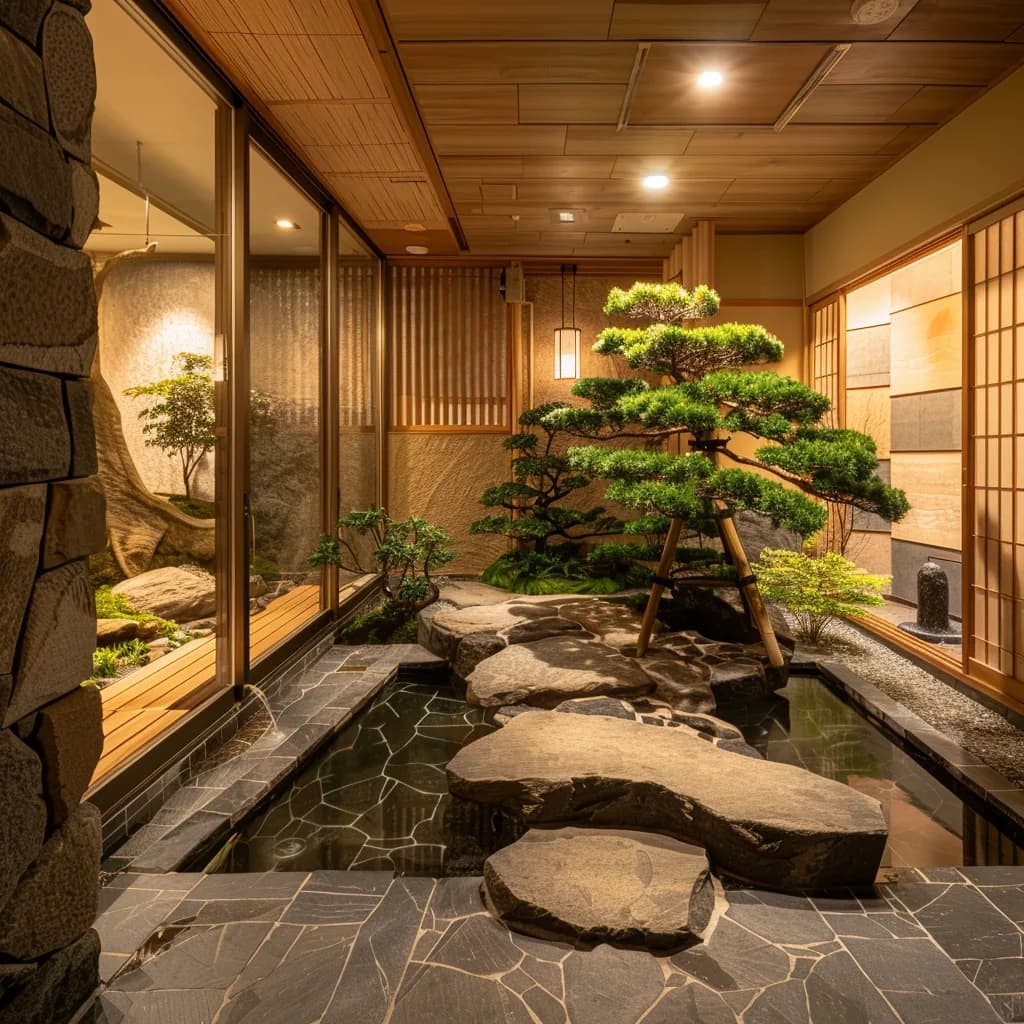
- meditation spaces
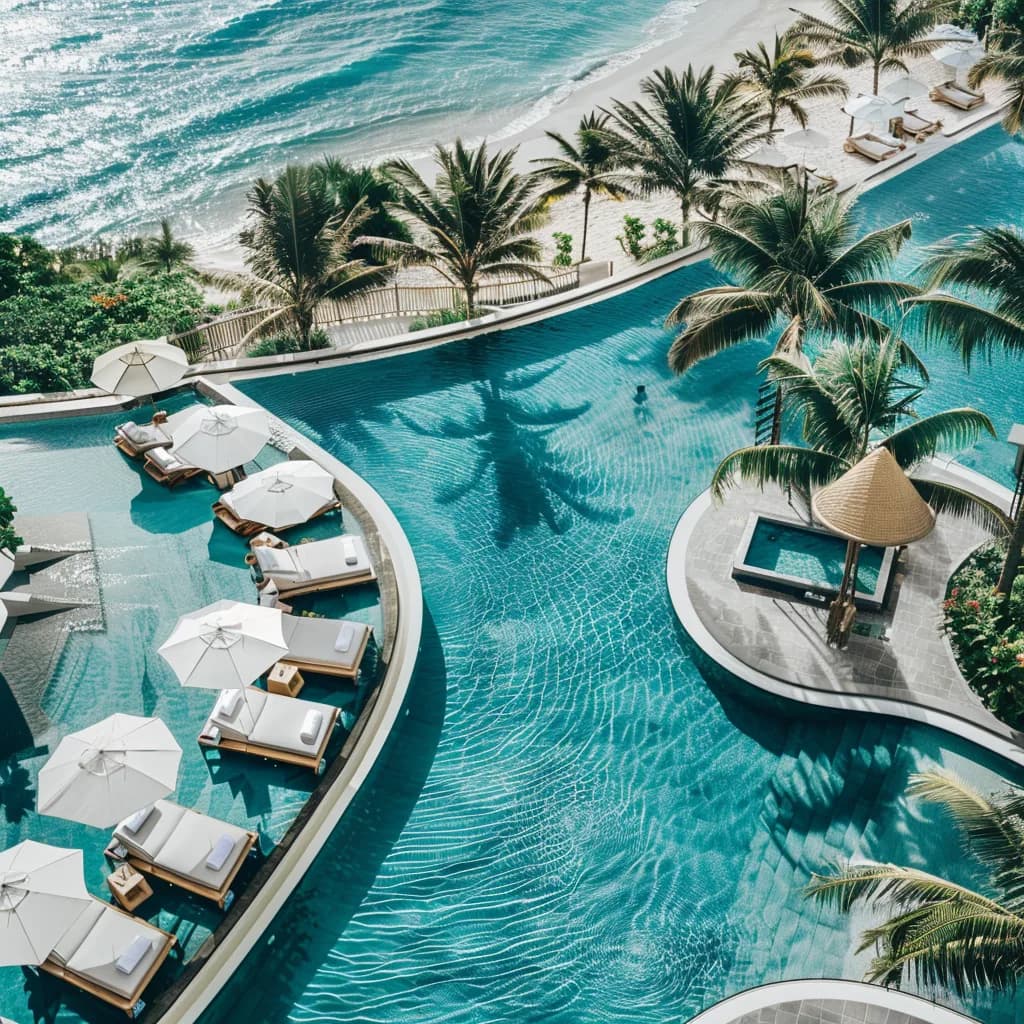
- rooftop pools
- on-site premium services It’s a convergence of architecture and behaviour: design that increases the probability of healthy habits.
It’s a convergence of architecture and behaviour. Design that increases the likelihood of healthy habits becoming part of everyday life, not just an occasional indulgence.

Why Most Australians Still Don’t Realise It’s Happening
One of the most interesting contradictions about this trend is that it’s growing quickly, yet still feels niche. When we asked why it still flies under the radar, Paulina had a simple explanation: it’s happening inside private communities.
“Unless you live in one or work within them, you don’t see the level of wellness integration that already exists.” she explained.
But the lack of visibility isn’t a sign of weak demand. It’s a sign of where adoption begins.
Wellness-led residential living is emerging first at the premium end of the market, where developers have both the incentive and the flexibility to design beyond minimum standards. These buildings operate as closed ecosystems. The experience is real, but it isn’t public-facing.
This pattern isn’t new. Gyms, pools, concierge services and even co-working spaces followed the same trajectory: early adoption in high-end developments, followed by gradual diffusion as expectations reset across the broader market.
“Wellness will evolve from a luxury to a standard part of modern Australian living.” Paulina predicted.
What’s different this time is why demand is spreading. This isn’t about status or novelty. It’s about functionality. Once people experience what it’s like to live in an environment that actively supports their physical and mental wellbeing, it becomes difficult to accept anything less.
That’s why residential wellness doesn’t need to announce itself loudly. It’s not trying to convince people. It’s simply being designed forward until it becomes the standard others are measured against.
Why Is Demand Rising? Paulina Suggests Life Has Become
Heavier
Wellness isn’t expanding because it’s fashionable. It’s expanding because modern life is intense… and many people are feeling the consequences.
This is why wellness is shifting categories. It’s no longer competing with leisure or luxury spending. It’s being prioritised alongside sleep, movement and nutrition, as something required to function well, not something reserved for when there’s time.
She pointed to the everyday pressures driving the shift:
- chronic stress
- low energy
- burnout
- mental health struggles
- weight challenges
- lifestyle disease
- focus fatigue
Add social media to the mix (“millions of opinions” about what wellbeing should look like) and confusion becomes its own form of exhaustion.
Paulina’s observation reflects what’s happening on the ground: modern life hasn’t slowed down, but people’s tolerance for living in a constant state of depletion has. Wellness isn’t expanding because expectations are rising, it’s expanding because capacity is shrinking.
“Wellness is no longer a luxury; it has become a necessity.” Paulina told us.
What people want now is consistency. Rituals they can repeat. Systems that support them on ordinary days and not only when they’re falling apart.
That’s where residential wellness becomes a structural advantage: it turns wellbeing from an event into an environment.
Explore Locations
The Next Baseline… Wellness Spaces As Expected As Gyms and Pools
When we asked where she thinks this is heading, Paulina was unequivocal.
“Absolutely, I see wellness becoming a standard feature in new residential developments.” she said.
From Paulina’s position inside residential buildings, this shift is no longer theoretical. She sees how residents actually use these spaces once they exist and how quickly wellness amenities move from novelty to routine. What starts as curiosity becomes expectation, often within months.
This on-the-ground exposure gives her an early read on where standards are heading, not just where marketing language is going.
Paulina describes what she’s already seeing grow across buildings:
- saunas
- ice baths
- meditation rooms
- recovery zones
- Pilates and yoga studios
- on-site wellness services
“These features are no longer marketing add-ons, they’re core expectations for modern living.” she added.
What Paulina is pointing to is a redefinition of amenities altogether. These spaces aren’t competing with luxury finishes or visual appeal; they’re competing on outcome. Do residents feel better living here? Do they recover faster, regulate stress more easily, and maintain healthier routines?
That’s a fundamentally different metric and one that’s reshaping how value is perceived in residential design.

What Changes When Wellness Is An Elevator Ride Away?
When we asked Paulina what residents report after having daily or weekly access to wellness facilities, her answer wasn’t framed in buzzwords. It was framed in behaviour.
Routines appear.
People stop treating wellbeing as a rare indulgence and start treating it like maintenance:
- weekly massages
- regular sauna and cold immersion
- evening swims
- morning gym rituals
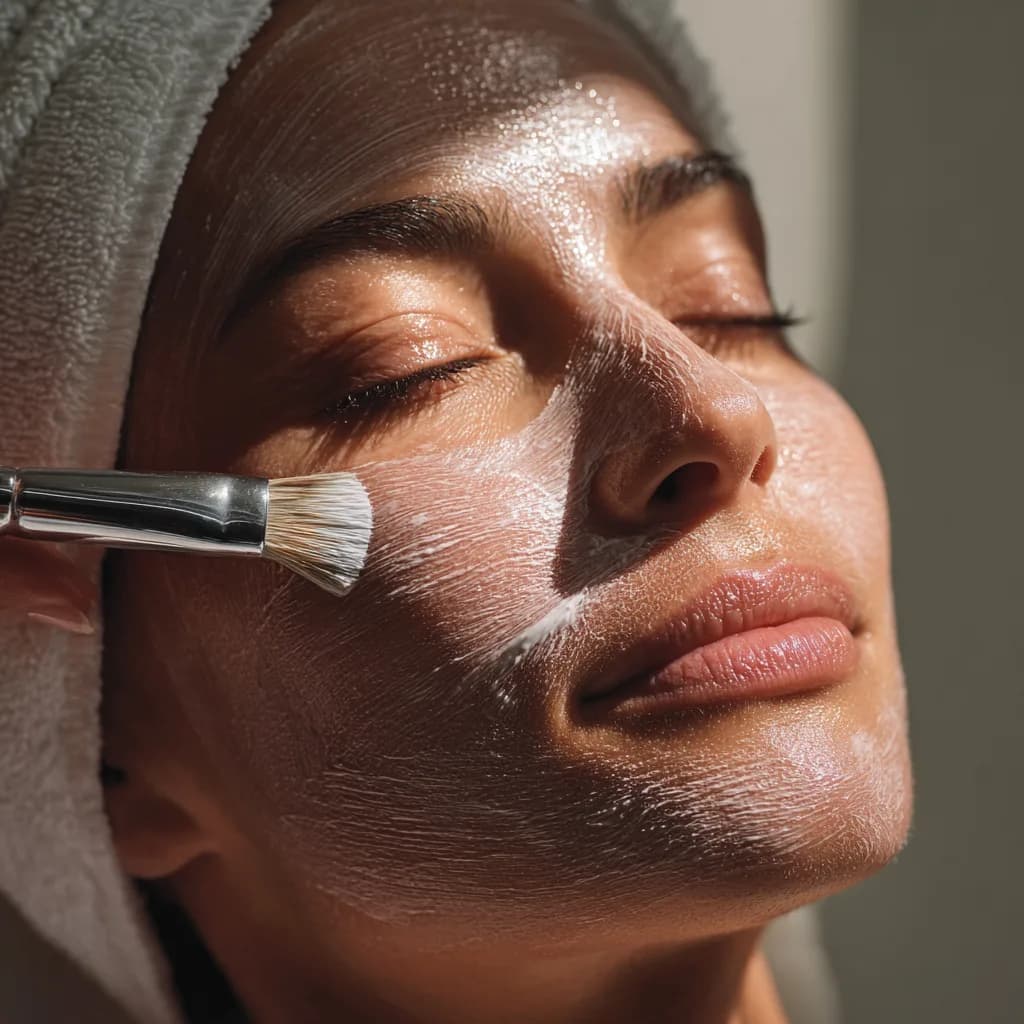
- facials as part of self-care
“It’s beautiful to watch how effortlessly wellness integrates into their lives when the barrier of travel and planning is removed.” Paulina told us.
Then, unexpectedly, something else happens: community.
Wellness spaces become social architecture. Residents see each other regularly, in a shared environment that signals calm, care and values alignment.
“Wellness spaces bring residents together… The building stops being just a place to live—it becomes a supportive, wellness-oriented environment.” she told us.
In a culture where loneliness is rising and time feels scarce, that matters. The future of wellness isn’t only individual… it’s communal.
Why Paulina Calls This “Pioneering”, And What Sparked It
When we spoke to Paulina about “pioneering” residential wellness, she didn’t frame it as trend-chasing. She framed it as the natural outcome of a career that kept placing her at the intersection of therapy, hospitality and daily life. The idea emerged from a career path that repeatedly placed her at the intersection of hospitality, therapy, and daily life.
Her training spans physiotherapy, myotherapy, remedial massage and spa therapies, later expanding into breathwork facilitation, NLP and spinal energetics. The common thread is a whole-human approach: physical, emotional, energetic and psychological.
But one early experience stands out.
“I worked on cruise ships (essentially floating residential buildings) where guests lived in the same space where they received their wellness services.” Paulina said.
That environment showed her what happens when high-quality care doesn’t require a separate trip: it becomes part of the lifestyle flow.
Then 2020 arrived, and the concept found its place in Australian life.
“I was an essential mobile therapist… supporting extraordinary clients who were already envisioning wellness-focused residential developments in South Brisbane.” she said.
In her telling, it wasn’t a single lightning moment. It was alignment… Think education, global exposure, timing, and a community ready for integration.

Long-Term Care, Not Transactional Appointments
Residential wellness only works if it’s more than a menu of services. Paulina emphasised relationship, and the kind of consistency you can only build when you’re embedded in a community.
“I don’t work with clients in a transactional, one-off way. I work with people over months and years, through their life seasons.” Paulina told us.
This model fundamentally alters the practitioner–client relationship. When care is embedded inside a residential community, wellness stops being episodic. The building becomes a living ecosystem. One where connection extends beyond the treatment room and into everyday life.
“Being located inside the residential buildings means we are constantly connected… This creates ongoing conversations, trust, and a real human relationship.” she explained.
That proximity changes the role a practitioner plays. Instead of treating isolated symptoms, the work becomes whole-person support:
- recovery
- stress regulation
- emotional safety
- identity transitions
- the invisible chapters people carry
“We don’t treat symptoms; we support the entire human,” Paulina explained.
“We don’t disappear when life gets tough. We are there, consistently, every step of the way,” she added.
Importantly, she also frames her model as collaborative, not dependent.
“We regularly refer our clients to the best practitioners… because our goal is not to keep clients dependent on us. Our goal is their complete wellbeing.” Paulina said.
That’s a significant cultural shift in wellness services: from selling sessions to building outcomes.
The Personal Thread And Why Healing Environments Matter
When we asked Paulina what shaped her interest in wellness and healing environments, she didn’t start with business. She started with lived experience.
As a child and teenager she was deeply involved in sport. She was exposed early to recovery rituals like saunas, cold exposure, stretching and massages. Later, curiosity turned into experimentation: nutrition, movement, lifestyle tweaks, learning how the body responds.
Then came a more familiar turning point for many high-functioning adults: anxiety and depression, which she now describes as “trapped emotions and unprocessed stress sitting inside my body.”
Her recovery deepened her approach. Breathwork, somatic practices and emotional release became personal tools first… then professional ones.
“Through lifestyle changes… I healed myself… to living a life that feels vital, energetic, and emotionally stable.” Paulina told us.
That experience shapes how she thinks about residential wellness. It’s not just convenience. It’s containment.
A healing environment is one where people feel safe enough to regulate and evolve, not only physically, but emotionally.
“This is why I create environments where people feel safe, held, and supported… It’s not just my work; it’s who I am.” she said.

The Most Rewarding Part Is The Community Inside The Walls
When we asked what’s been most rewarding about pioneering this category, Paulina didn’t answer with scale or expansion. She answered with depth.
“The most rewarding part has been getting to know people in their deepest depth and creating a living, breathing community inside these buildings.” Paulina said.
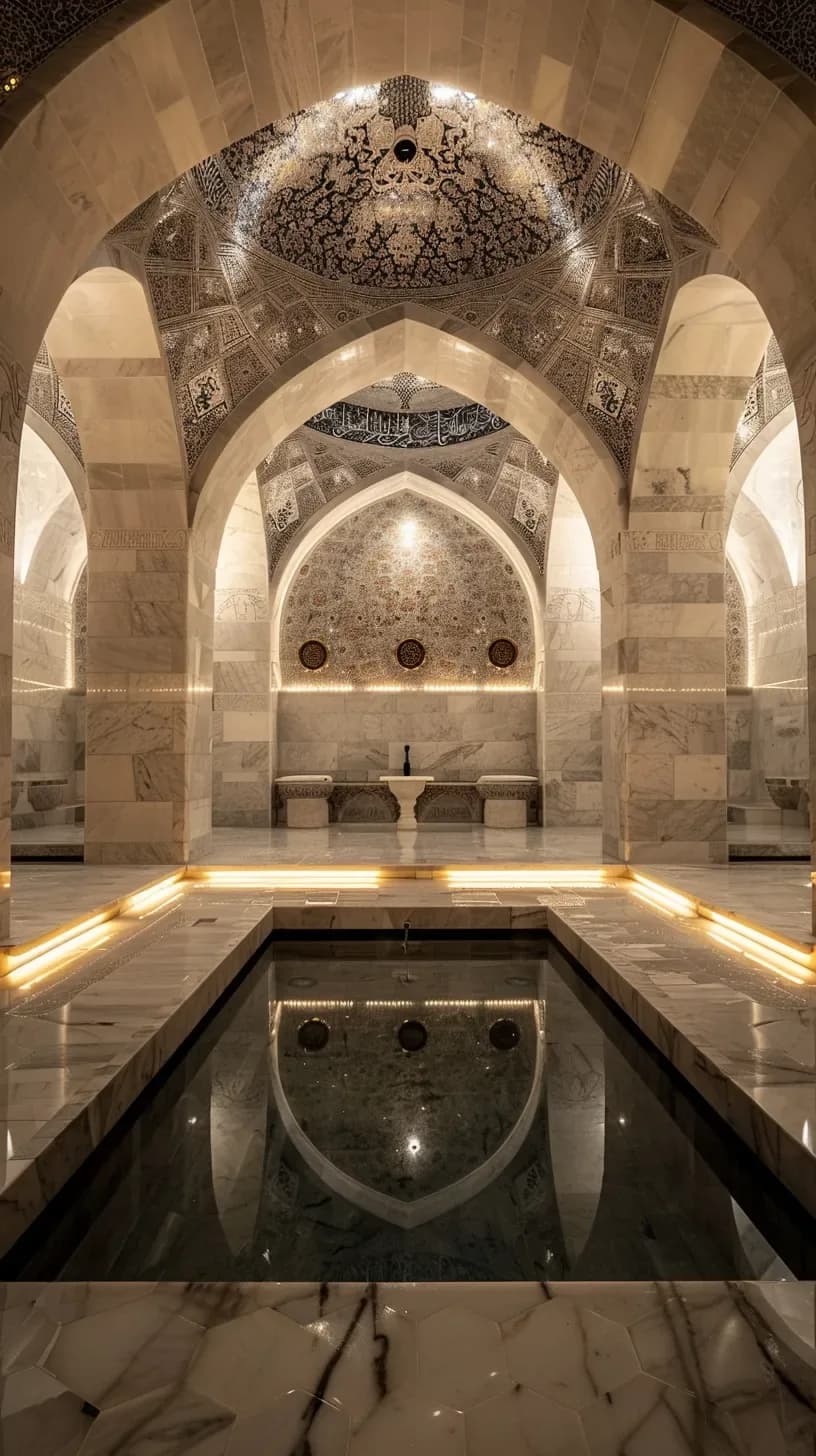
What she’s describing is something increasingly visible across modern wellness culture. From the resurgence of bathhouses to the rise of shared wellness spaces, people are seeking environments that support not just individual health, but collective wellbeing. Places where care is normalised, vulnerability is permitted, and healthy behaviours are reinforced socially rather than privately.
The model creates a rare type of relationship: professional, but warm; structured, but human.
“We meet them in happiness, grief, identity transitions… And because we are part of their home environment, we witness their evolution in real time.” she told us.
This is the deeper thesis behind residential wellness. It’s not just about facilities or treatments. It’s about continuity, familiarity, and shared experience. In an era where many people feel disconnected despite being constantly connected, wellness spaces are quietly becoming modern gathering places.
Two Habits That Reflect The Direction Of The Movement
We asked Paulina for one daily habit and one weekly habit she thinks would make the biggest difference. Her answer mirrored the bigger trend: simple, repeatable rituals that stabilise the system.
Daily: begin the morning with half a litre of water plus high-quality electrolytes.
“This simple ritual… supports nervous system balance, boosts mental clarity, and sets the tone for sustained energy.” Paulina said.
Weekly: half a day in nature with no phone.
“Six hours. No notifications, no scrolling… This single habit recalibrates your entire system.” she said.
They’re not glamorous habits. They’re foundational ones.
And that’s where wellness is heading: away from performative optimisation and toward repeatable regulation.
The Vision? Residential Wellness as a New Standard, Not a Niche
Looking ahead, Paulina told us her long-term vision for Remedial Lab is to build a collective of “like-minded, deeply skilled” practitioners who can meet people where they are on all levels, physically, emotionally and energetically.
What stands out is her insistence on personalisation.
“Our services are not basic or routine; they are journeys… Every appointment is shaped around how the client feels on the day.” Paulina told us.
This is the difference between a wellness amenity and a wellness culture.
A sauna in a building is a feature. A practitioner embedded in a community is a framework. Together, they create something larger: an environment that reduces friction, supports consistency, and makes wellbeing feel like a natural part of modern life.
And once that becomes normal for residents, expectations shift.
The same way a gym and pool became standard in new developments, Australia is now moving toward a future where wellness spaces (sauna, cold immersion, recovery, stillness, on-site services) aren’t an indulgence. They’re simply part of how we live.
Or, as Paulina puts it:
“Wellness is becoming the new standard of luxury living in Australia.” Paulina told us.
The bigger story is that the definition of luxury is changing. It’s becoming less about what you can show and more about what reliably changes your state.
In an overstimulated, success-driven era, the most valuable amenity might be the one that helps you return to yourself.