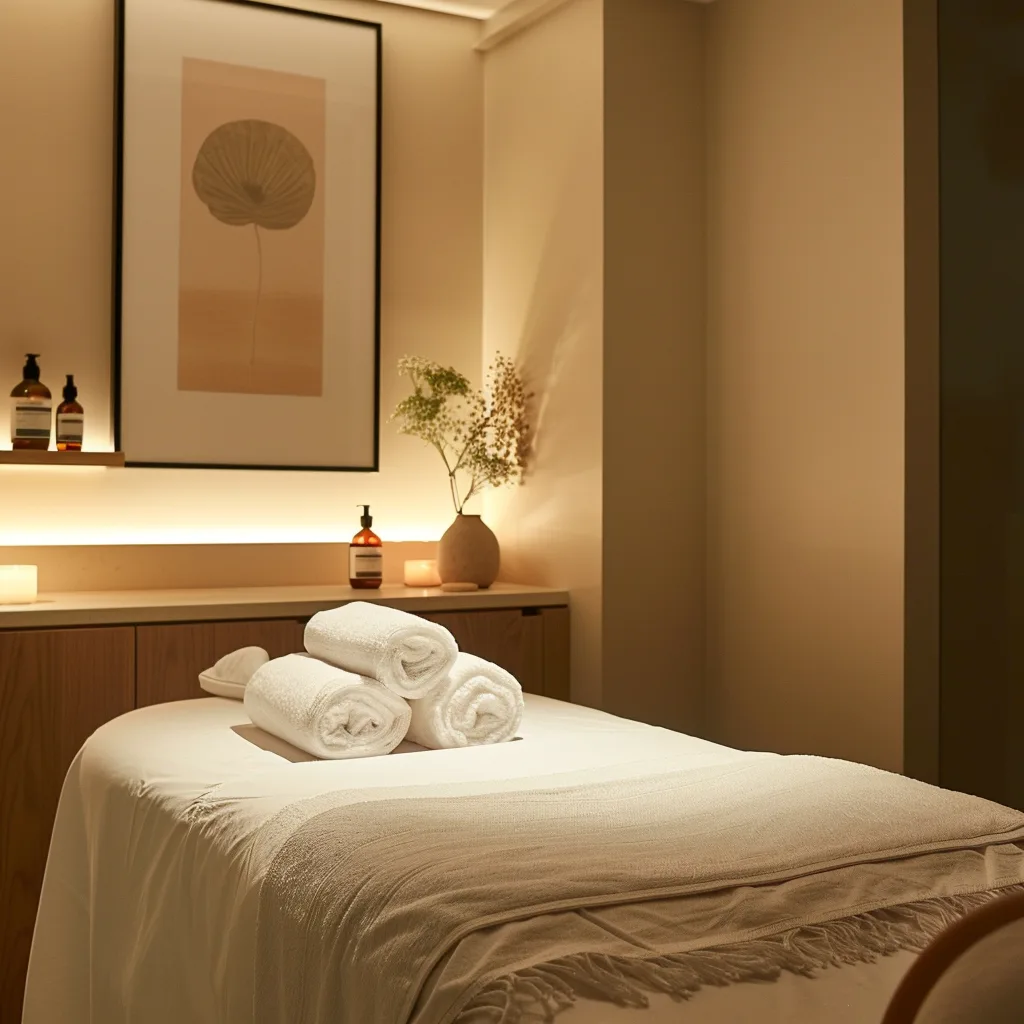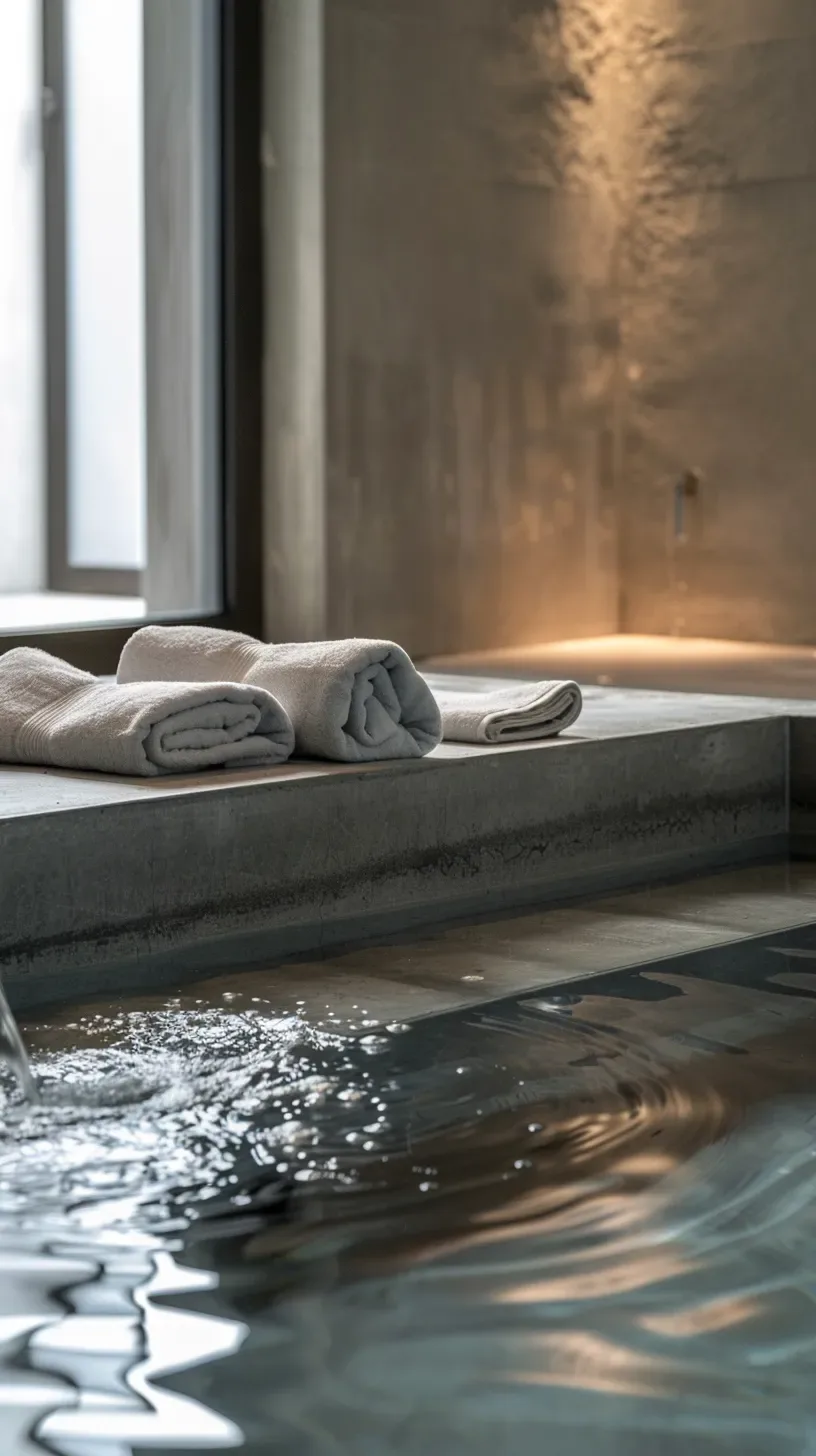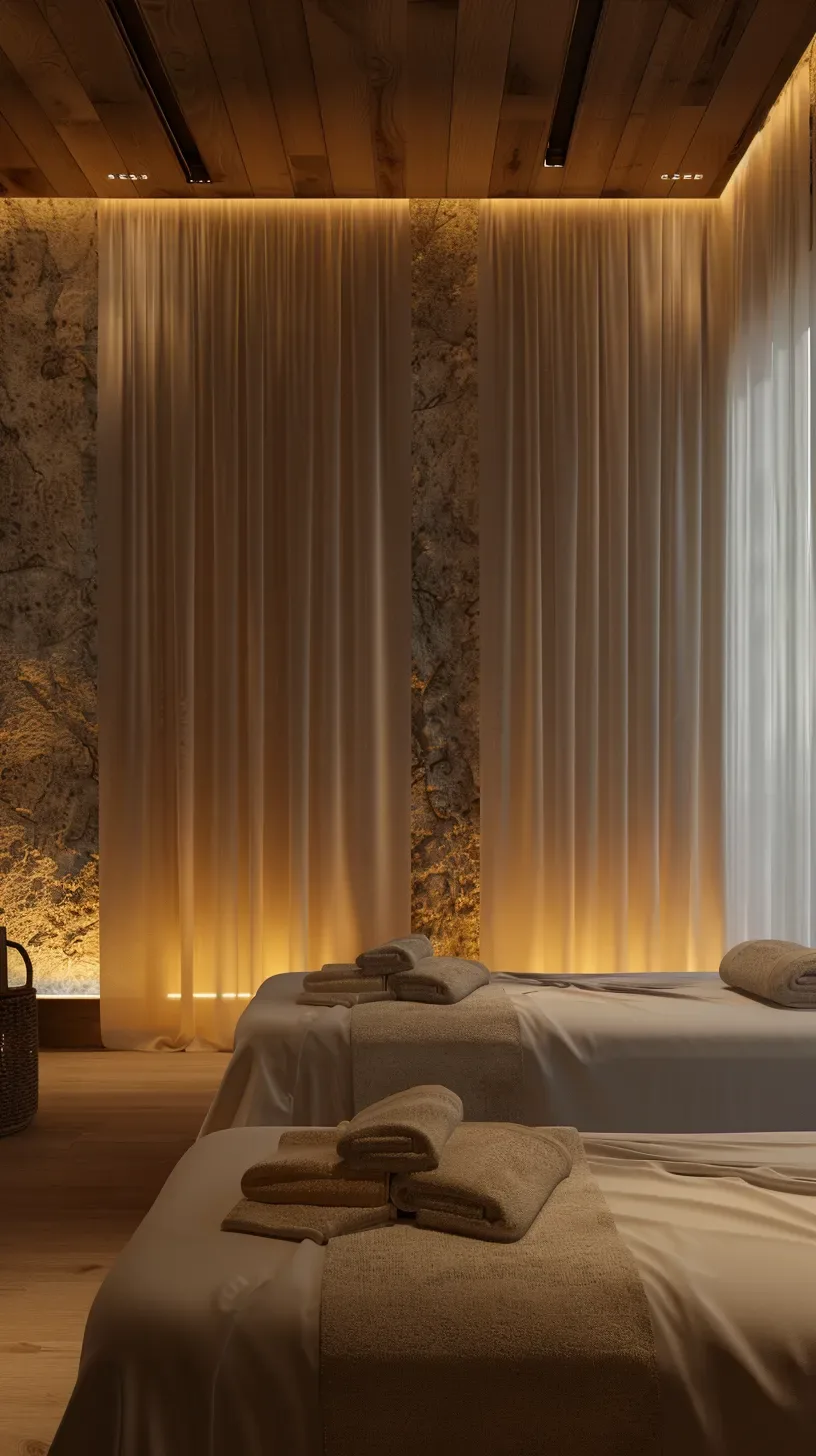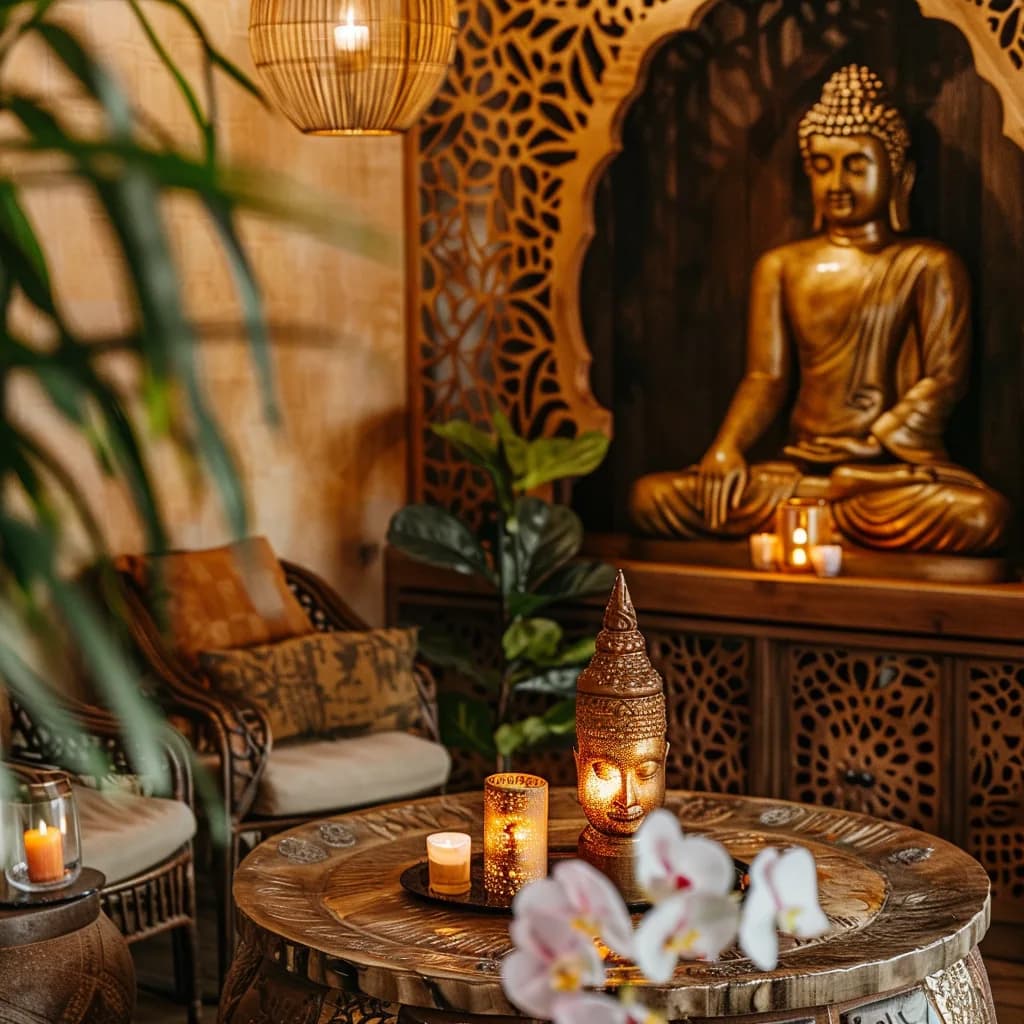

For much of modern hospitality, luxury followed a familiar formula: design-forward rooms, a strong food offering, and a pool as the centrepiece amenity. Wellness, when present, sat on the margins, for example a spa menu, a treatment room, an optional indulgence.
That’s beginning to change.
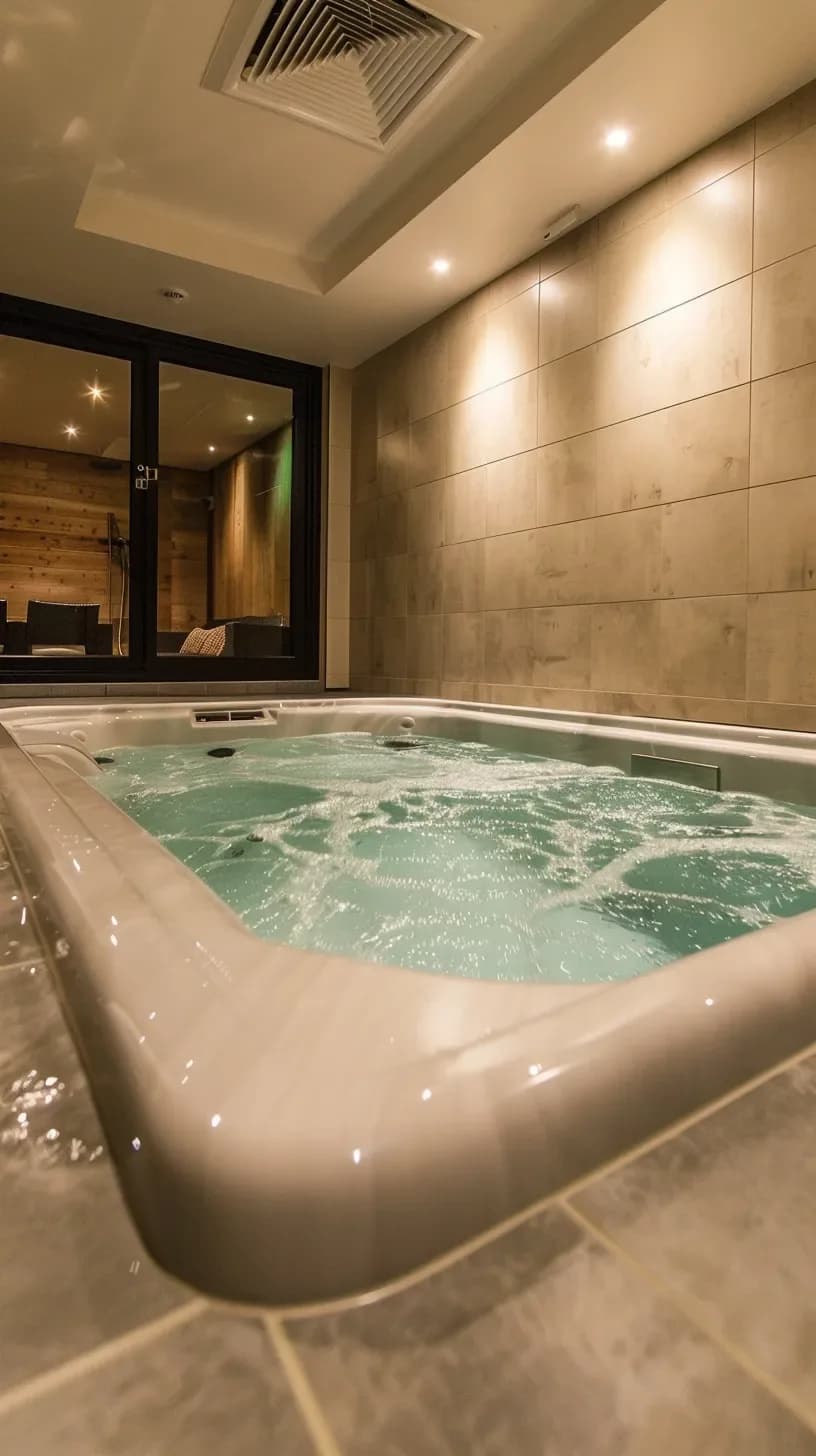
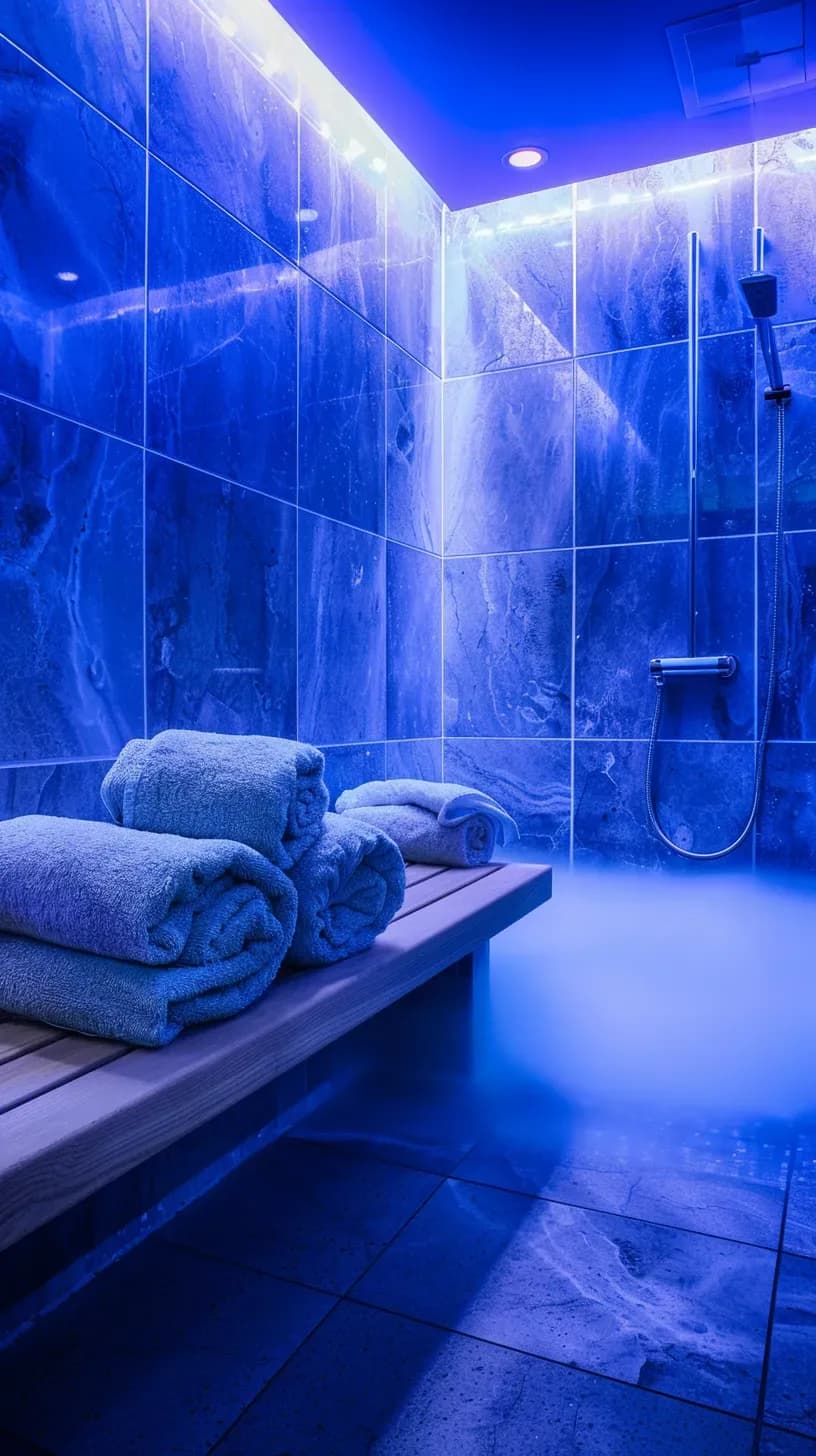
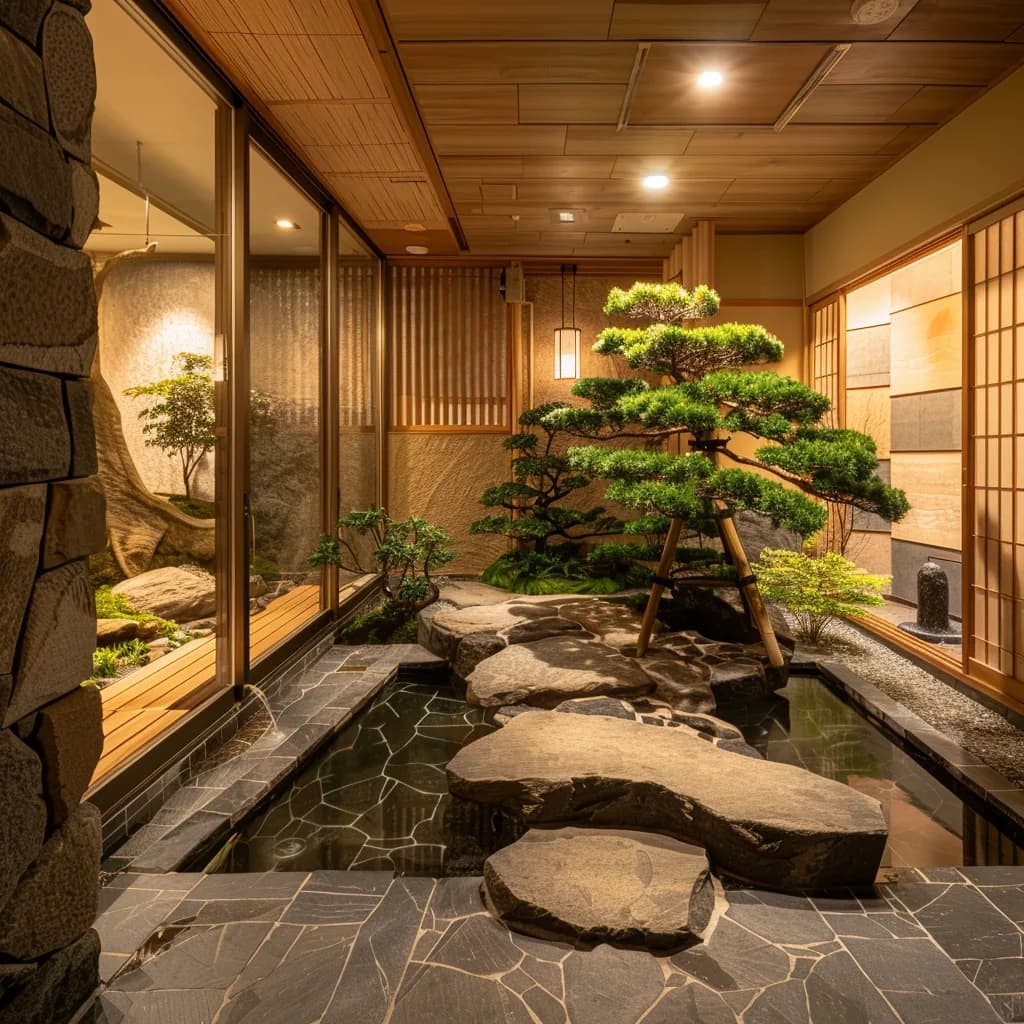
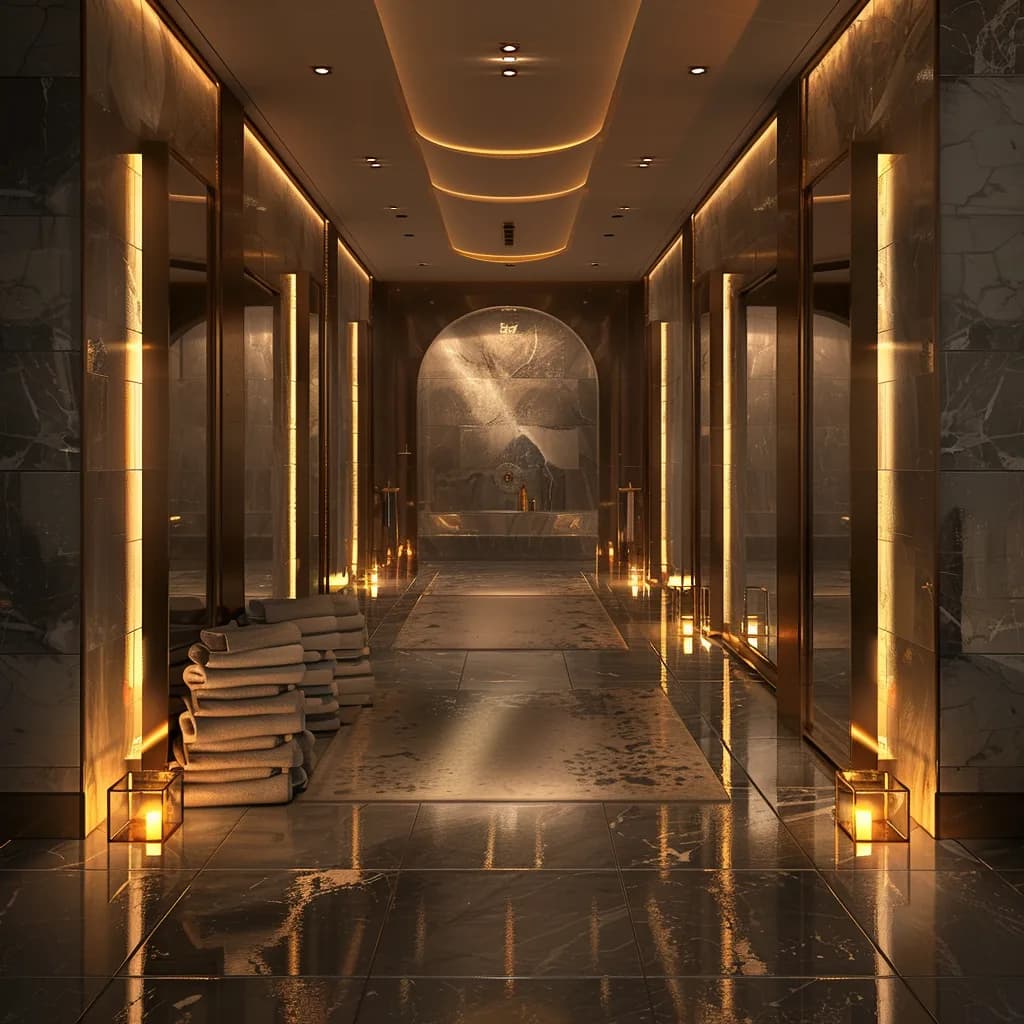
Across boutique accommodation in Australia and abroad, wellness facilities (saunas, mineral baths, hot tubs, steam rooms, cold plunges) are quietly moving from optional add-ons to meaningful reasons people choose where to stay.
This isn’t a side trend. It’s part of the larger wellness surge: the Global Wellness Institute estimates the global wellness economy hit $6.3 trillion in 2023 and projects it to reach nearly $9.0 trillion by 2028. Wellness tourism alone is forecast to cross $1 trillion in 2024, with growth projected strongly through 2027.
Wellness has moved from “nice-to-have” to the reason people choose where they stay, and boutique accommodation is where that shift is most visible.
This isn’t a revolution. It’s an evolution… and it’s only just beginning.
The New Luxury Metric Is Wellness That Works
For decades, luxury hospitality focused on insulation. Climate-controlled rooms. Blackout blinds. Soundproofed interiors. A perfectly sealed environment designed to keep the world out.
That model still exists… but it is no longer enough.
Today’s boutique guest is not looking to disappear from reality. They are looking to re-enter it, better regulated, more grounded, and more present than when they arrived. Luxury is no longer defined by separation alone, but by controlled contact with the elements: real heat, real cold, real air, real quiet.
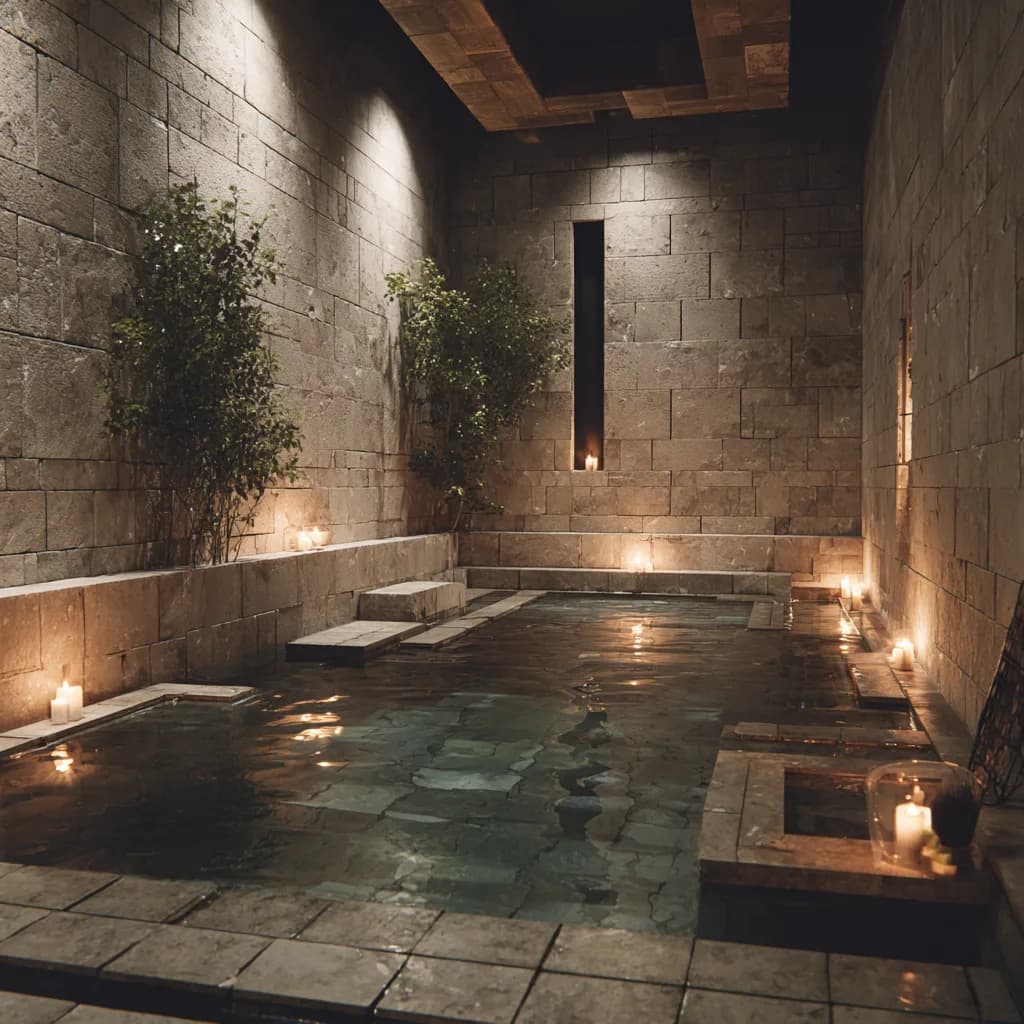
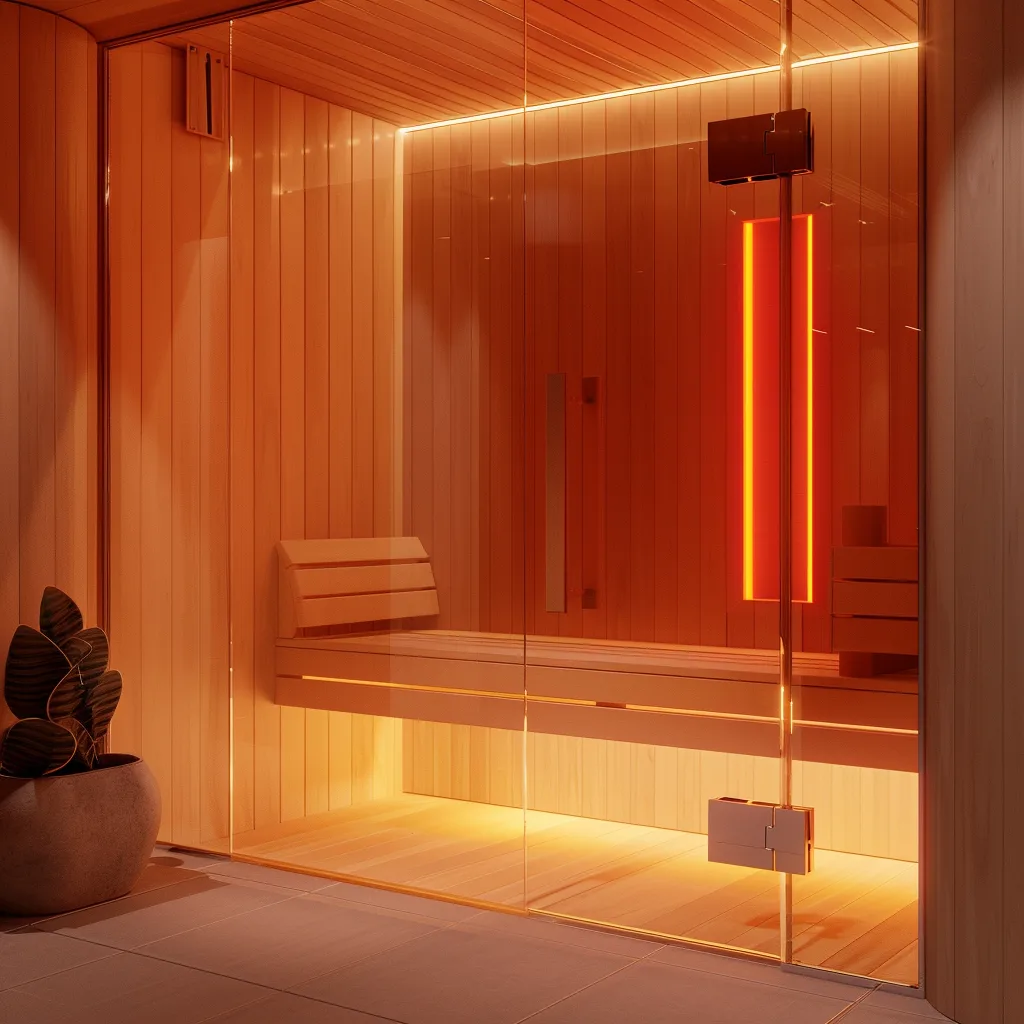
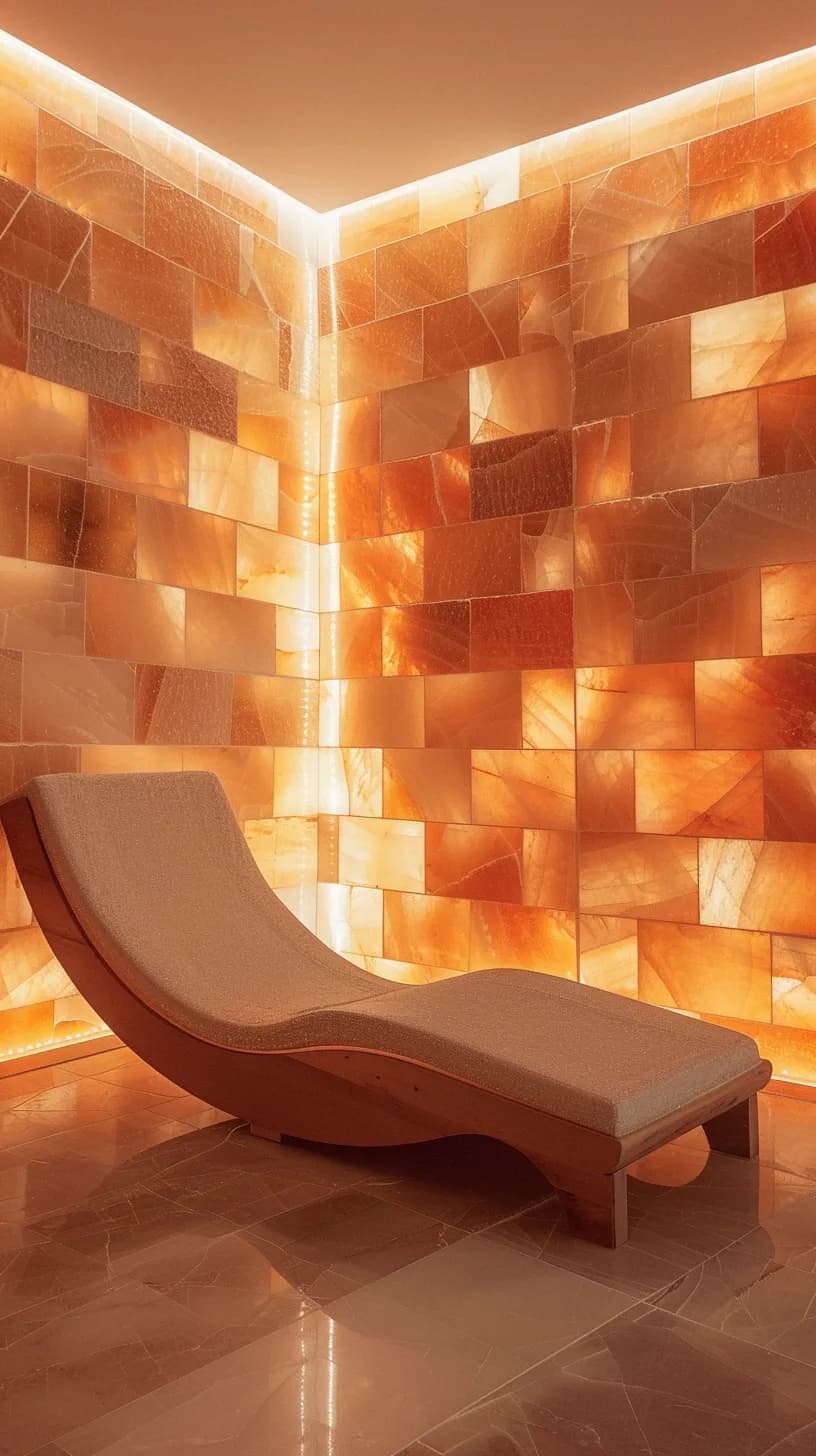
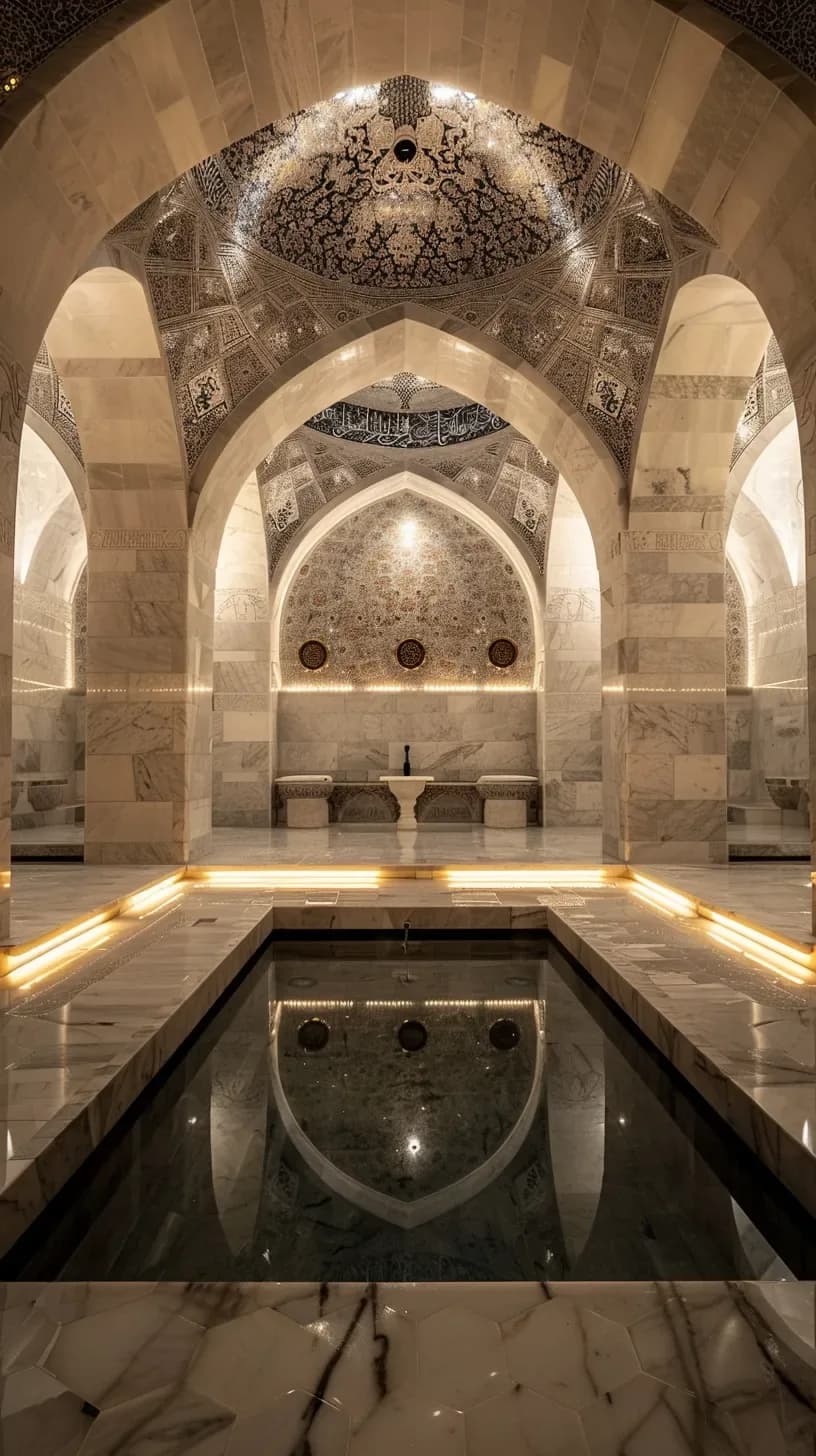
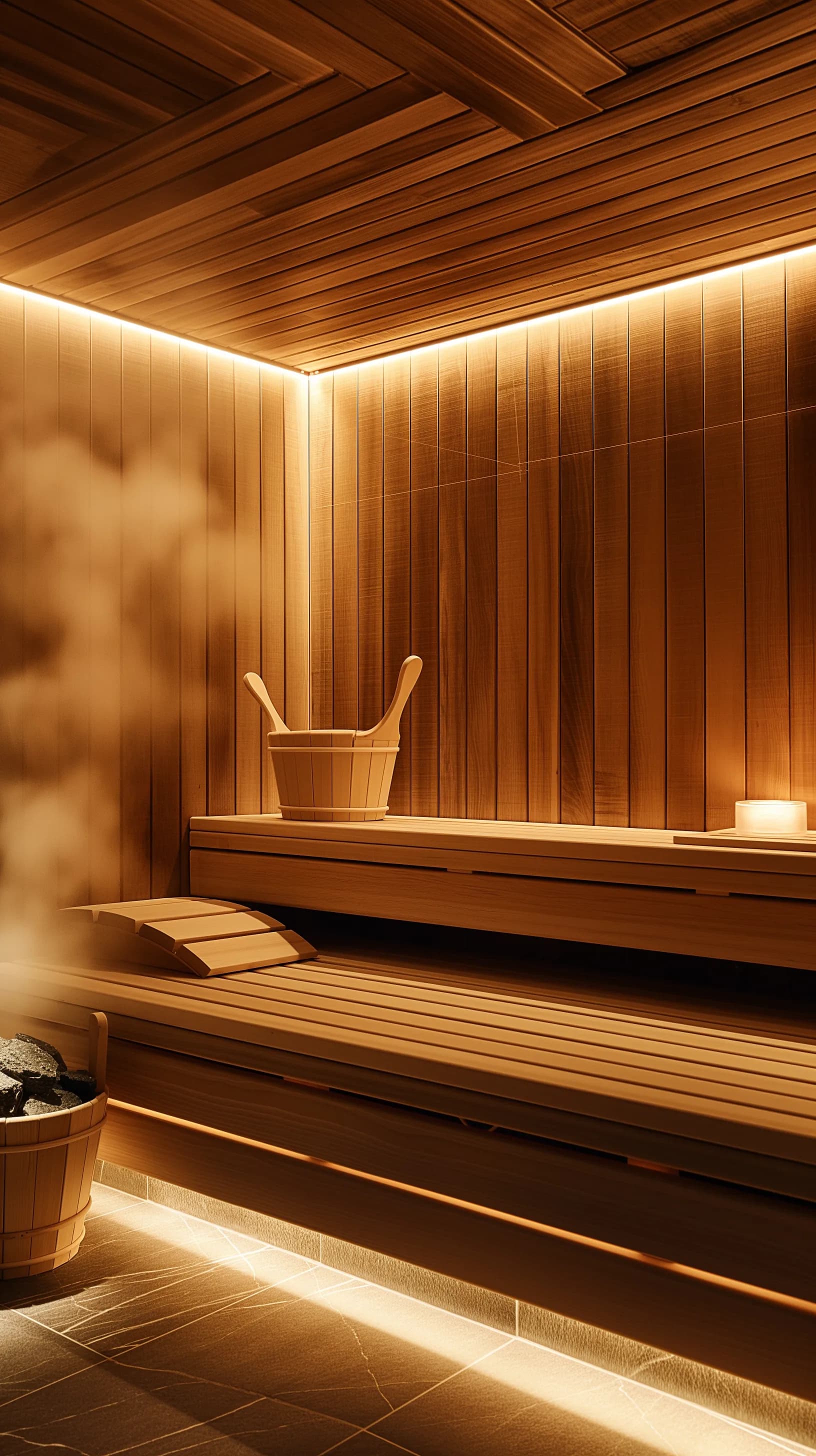
This is why saunas, thermal pools and contrast experiences are emerging as one of the clearest signals of modern luxury. They are not decorative amenities. They are functional systems. They create measurable, repeatable shifts in how people feel.
In a travel landscape shaped by digital saturation, cognitive overload and constant low-grade stress, the value proposition has changed. Guests are no longer travelling purely for novelty or status. They are travelling for state change. They are looking for a reliable transition from overstimulated to settled.
Wellness facilities deliver that shift in a way few other hotel features can. A sauna does not entertain. It regulates. A thermal pool does not distract. It restores. These experiences demand participation, not consumption, and that distinction is becoming central to how luxury is perceived.
In that sense, wellness is no longer an aesthetic layer applied to luxury. It has become one of its most credible metrics.

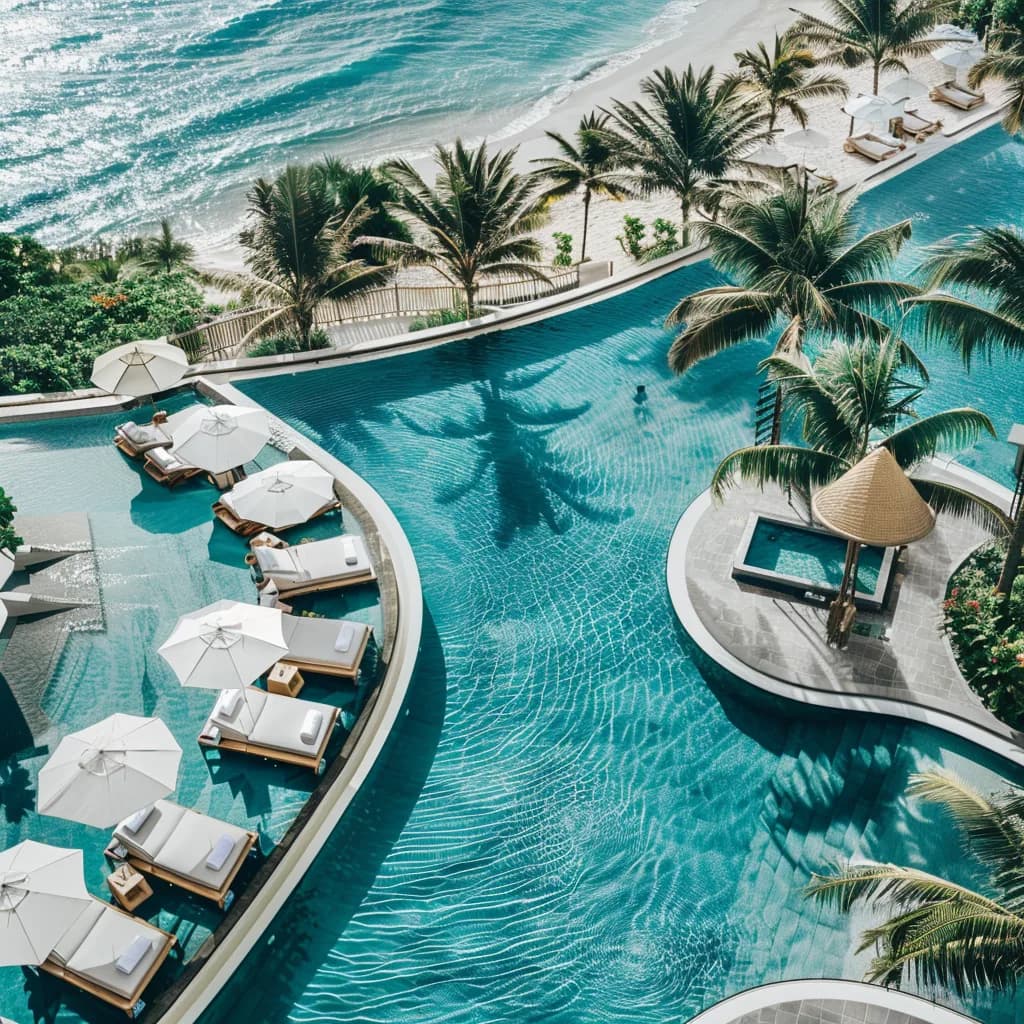
Why Pools Are Being Challenged (And Sometimes Replaced)
Let’s say the quiet part out loud: for many boutique properties, the pool is no longer the automatic hero amenity it once was.
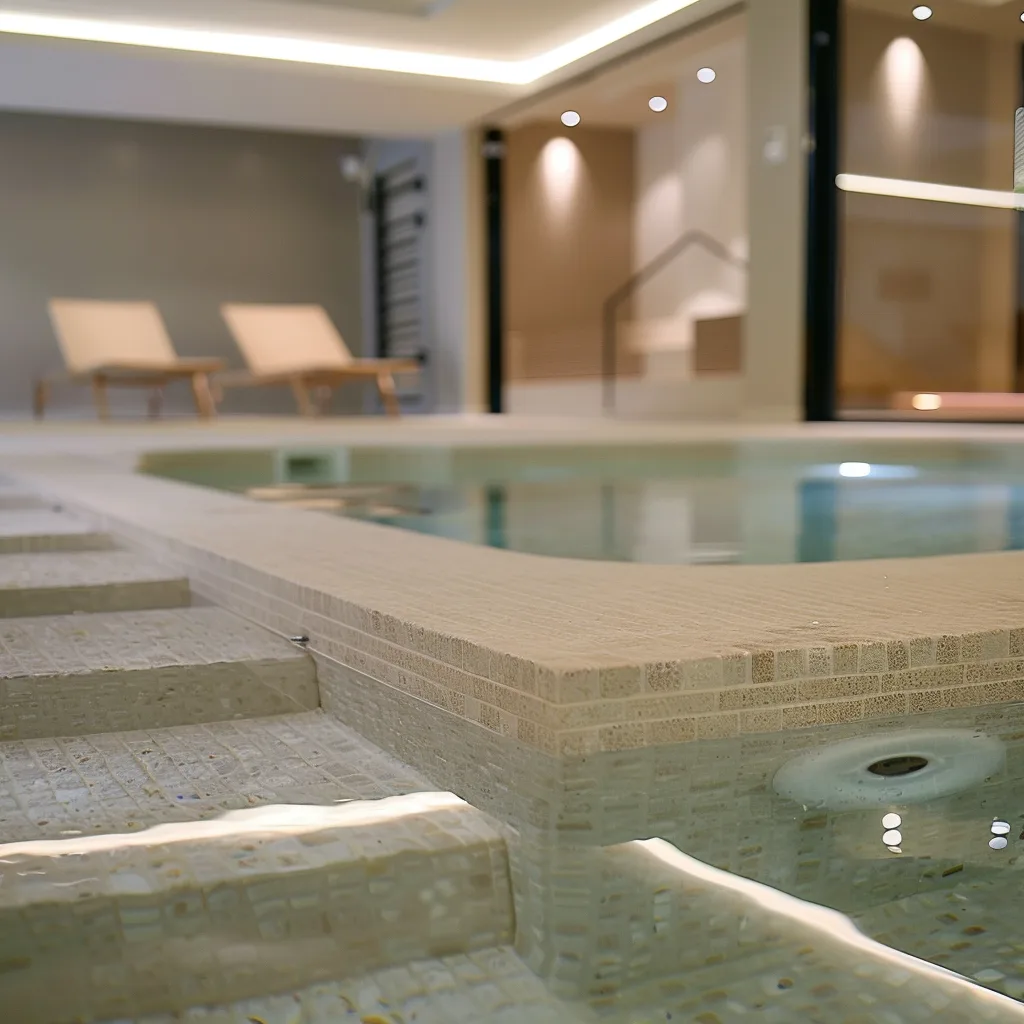
That doesn’t mean pools are disappearing everywhere. But it does mean the “pool-first” blueprint is being questioned, especially where land is tight, weather is seasonal, or the property is trying to differentiate beyond a pretty rectangle of water.
Here’s why saunas and thermal suites are winning design briefs:
They’re usable year-round.
A sauna doesn’t care if it’s raining. In fact, bad weather often improves the experience.
They compress luxury into a smaller footprint.
Boutique accommodation rarely has endless space. A well-designed thermal zone can deliver a “wow” moment without the sprawl.
They create ritual, not just recreation.
A pool is a feature. A sauna-cold-rest loop is a practice. Practices are repeatable. Repeatability drives loyalty.
They photograph like luxury, but function like recovery.
The best wellness design hits both: it’s beautiful enough to market and effective enough to keep guests coming back.
They align with the wellness-travel boom.
When a market is projected to pass $1T, hospitality follows.
In a boutique context, this becomes a strategic trade: not “pool or no pool,” but what creates the strongest memory and the strongest return rate.

Wellness Works Because Guests Are Already Ready for It
The success of wellness facilities in boutique accommodation is not rooted in education or persuasion. It works because guests arrive already primed for rest.
A hotel stay places people into a different psychological mode: work routines loosen, time expands, and attention shifts inward. Wellness amenities do not need to manufacture relaxation, they amplify an existing state.
A sauna at home competes with schedules and obligations.
A sauna on a getaway feels intuitive.
A mineral bath during daily life requires intention.
A mineral bath while travelling feels like a natural extension of the stay.
Hotels that understand this dynamic are not attempting to turn guests into wellness devotees. They are simply recognising that restoration fits seamlessly into the context of travel, and designing for it accordingly.

From Optional Amenity to Competitive Differentiator
This trend remains in its early stages, but its impact is already visible.
Guests are not yet booking boutique hotels exclusively for wellness facilities. However, when choosing between comparable properties (similar location, similar design, similar price point) the presence of a sauna, hot pool or thermal circuit is increasingly decisive.
For couples, these spaces provide shared, restorative experiences that do not require planning or scheduling.
For solo travellers, they offer structure without obligation… like places to inhabit time without needing company or an itinerary.
For longer stays, wellness amenities create rhythm: morning soak, late-afternoon reset, evening unwind.
In practical terms, these facilities extend the usable experience of a hotel beyond sleeping, dining and sightseeing. They give guests more reasons to remain on site, and more value from each hour of their stay.

Redefining Luxury Through Accessibility
Historically, spa culture carried a sense of formality and exclusivity. Treatments were appointment-based, costly, and often reserved for high-end properties or special occasions.
What is changing is not the desire for luxury, but how luxury is expressed.
Contemporary boutique accommodation is increasingly offering wellness in ways that feel integrated rather than elevated above the guest:
- Facilities are included rather than upsold
- Access is informal rather than ceremonial
- Use is encouraged rather than scheduled
A shared sauna does not require a booking.
A hot pool is part of the daily environment, not a special event.
This shift makes wellness feel less performative and more habitual, which, paradoxically, increases its perceived value. Luxury becomes defined not by exclusivity, but by ease and availability.

When Wellness Replaces the Bar as the Social Engine
Here’s an under-discussed truth: thermal spaces are becoming a new kind of social infrastructure inside boutique hospitality.
Not loud. Not party energy. But the same function a good bar once served: a place you drift into, meet people, have real conversations, feel part of something.
The difference is what you bond over.
Not alcohol.
Not noise.
But shared ritual.
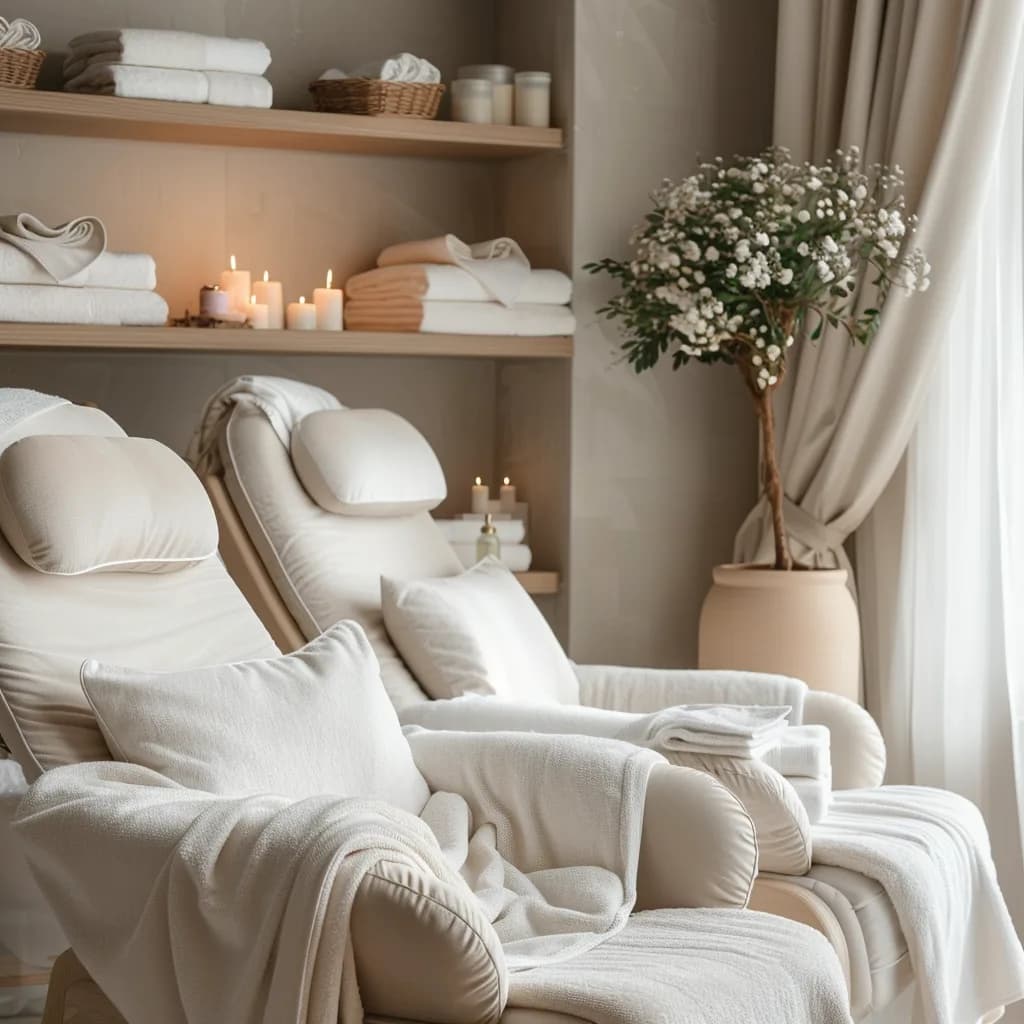
Heat and cold have a strange way of making people more human. Less performative. More present. A sauna creates a socially acceptable slowness. A plunge creates shared courage. A rest lounge creates quiet connection.
That matters in an era where many travellers arrive alone, work alone, scroll alone, and still crave community without the heaviness of a “networking” vibe.

Customers Get The Experience Without Effort
Wellness amenities also address a growing tension in travel: the desire to “do something” without becoming busy. I feel like this is a very important point.
Many guests want to feel that their time away has been well used without filling it with activity. Thermal facilities offer precisely that balance.
They provide:
- Meaningful use of time without exertion
- Shared experiences without social pressure
- Flexibility regardless of weather or schedule
A sauna session or hot soak delivers a sense of completion without depletion. Guests feel restored rather than entertained, a distinction that matters increasingly in a culture defined by overstimulation.

Why Boutique Accommodation Is Leading This (Not Big Hotels)
Big hotels move slowly. Boutique properties can take bolder design bets…and wellness is currently the boldest bet that still feels safe.
Because it’s not a gamble on trend. It’s a bet on a human constant: people want to feel better.
Boutique operators can also build more coherent stories. A thermal circuit isn’t just an amenity; it can become the identity:
- “This is the place you come to sleep deeply.”
- “This is the place you come to recover.”
- “This is the place you come to unplug.”
That clarity cuts through a crowded market faster than another “luxury suite” ever will.

Where This Is Headed Next
If you fast-forward five years, the most influential boutique stays won’t be defined by “spa menus.” They’ll be defined by wellness architecture, spaces that bake regulation into the guest journey.
Expect more:
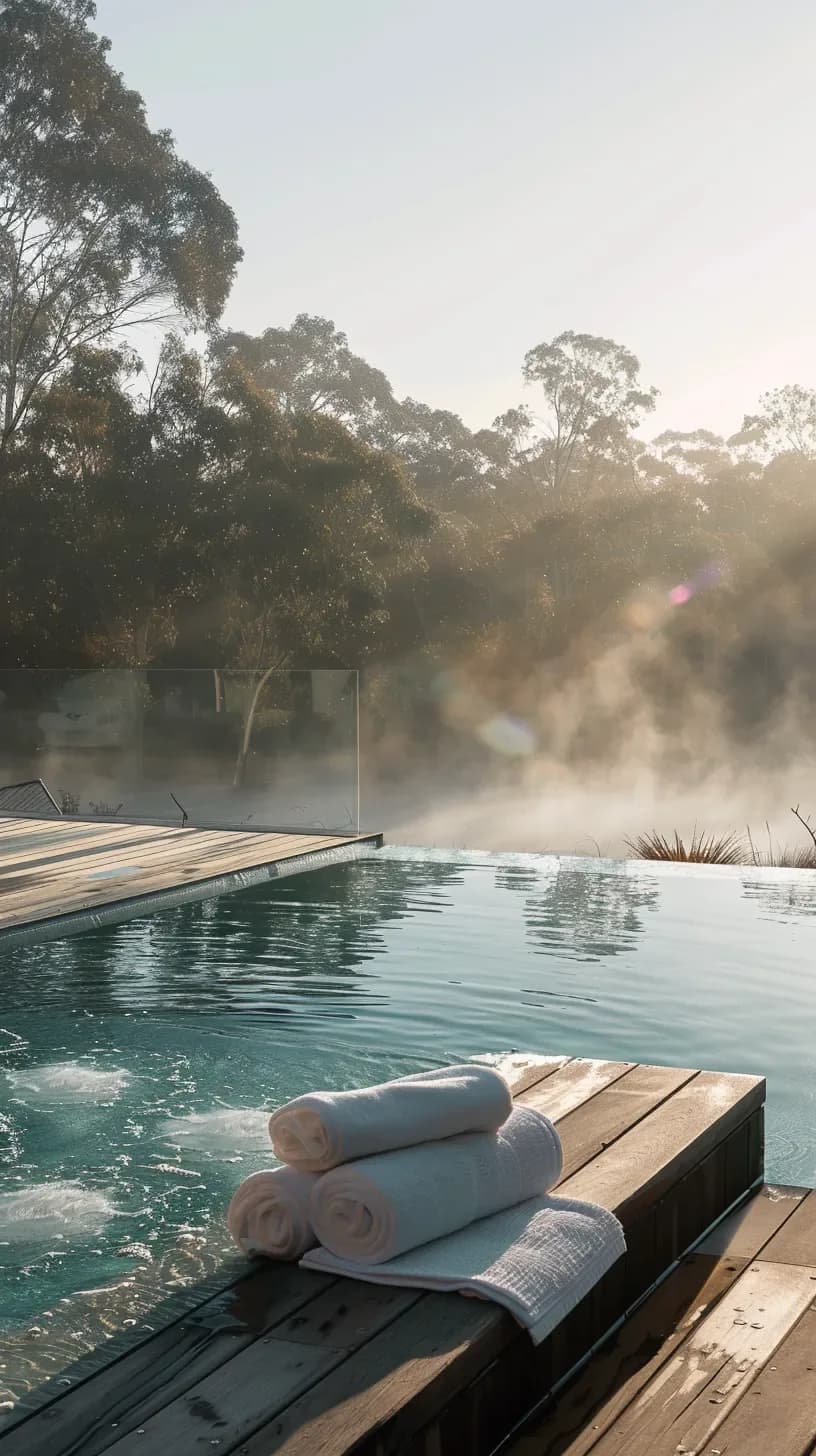
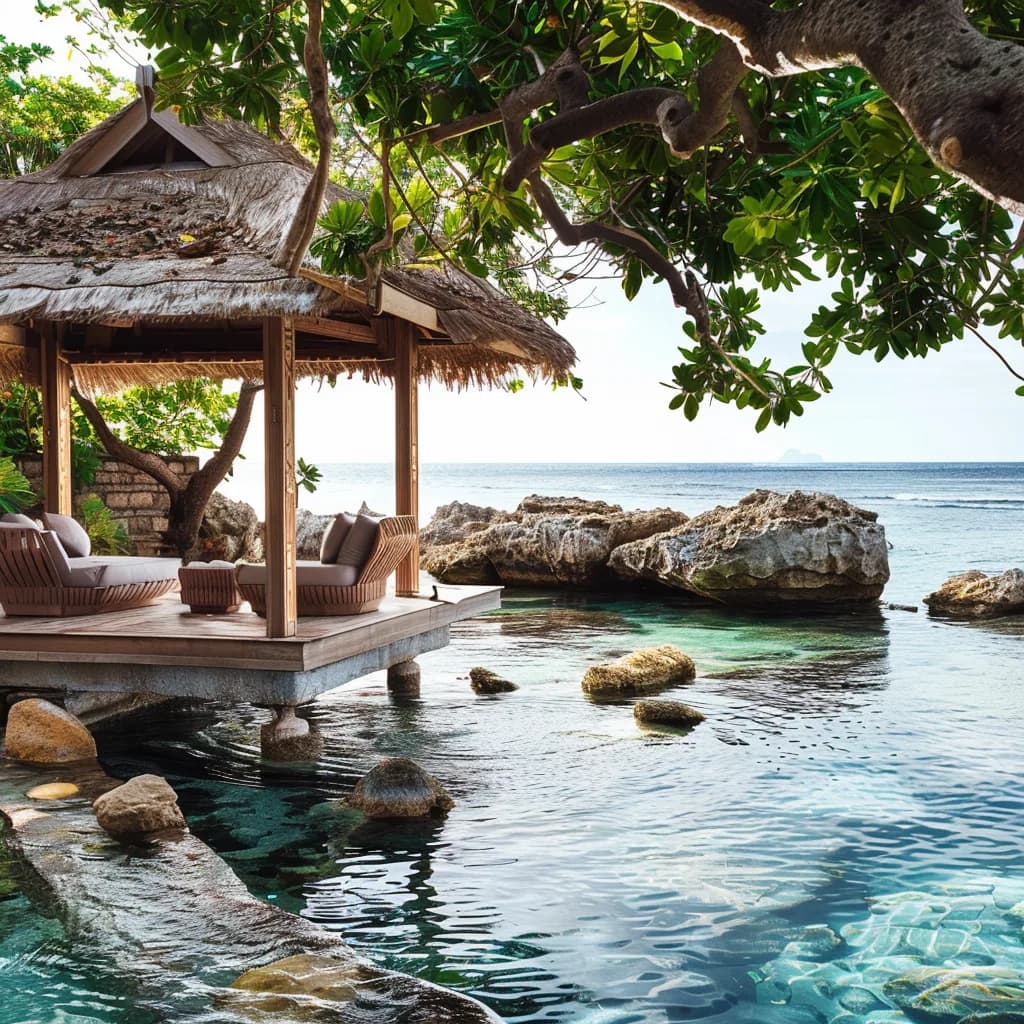
- outdoor thermal decks (weather as a feature, not an inconvenience)
- sauna + cold + fire pit “ritual zones”
- small-format bathhouses inside accommodation (book time, not treatments)
- design-led recovery rooms replacing underused gyms
- hybrid wellness spaces that serve both guests and locals (community + revenue)
The headline isn’t “more wellness features.”
It’s wellness becoming the product.
The Takeaway
Saunas didn’t “take over” boutique accommodation because they’re trendy. They took over because they solve a modern problem with an ancient tool: they create a repeatable way to downshift, recover, and reconnect, quickly, beautifully, and without needing a complicated itinerary.
Pools still have a place. Treatments still matter. But the centre of gravity is moving.
Luxury hospitality is being redefined by a new promise:
Not “look how nice this is.”
But “look how well you feel afterward.”
And boutique accommodation (agile, design-led, culture-aware) is where that promise is becoming the new standard.