

Byron Bay has seen almost every version of “wellness” pass through town, from juice cleanses, ecstatic dance, yoga shalas on every corner. But Navia arrives with something quieter, older and, in many ways, more radical: a return to true bathing culture.
Not bubbles and mood music but Ritual. Heat. Cold. Community.
Navia is inspired by the rich heritage of Scandinavian sauna and hot–cold therapy, but it’s not a museum piece. It’s a modern Australian interpretation of Nordic values (community, inclusiveness, hygge) set a few minutes from the ocean, open from 7am–8pm, seven days a week.
This isn’t “a spa you visit once a year”. It’s a place you can fold into your week.

From Scandinavian Sauna to Byron Ritual
Scandinavian sauna culture has always been about more than sweating: it’s where families check in, neighbours share stories and entire communities decompress together. Navia takes that DNA and translates it through a Byron lens.
Instead of snow outside and pine forests, you get sea breezes, Australian light, and a mix of locals, creatives and visitors who are as likely to surf at sunrise as they are to sit in silence in a black timber sauna.
Navia’s story is anchored in this idea:
wellness not as spectacle, but as simple, repeatable ritual.
Sweat it out.
Cool down.
Sit together.
Feel human again.
By centring the experience on hot–cold contrast and shared space, Navia is quietly shifting what “going to the spa” means in a town that already thinks it’s seen every wellness concept.

A Bathhouse Built For Ritual, Community and Everyday Restoration
One of the most telling signals that Navia is expanding the wellness landscape is its format. You don’t book a single treatment here. You book time in the bathhouse.
This model doesn’t compete with the traditional spa experience; it sits alongside it, offering something different, more communal, and more rhythmic. Traditional massages and spa rituals still hold enormous value, they deliver precision, care, and deep one-on-one restoration.
But bathhouses represent a growing category of wellness: ritual-based, accessible, repeatable, and social.
A two-hour bathhouse session at Navia includes:
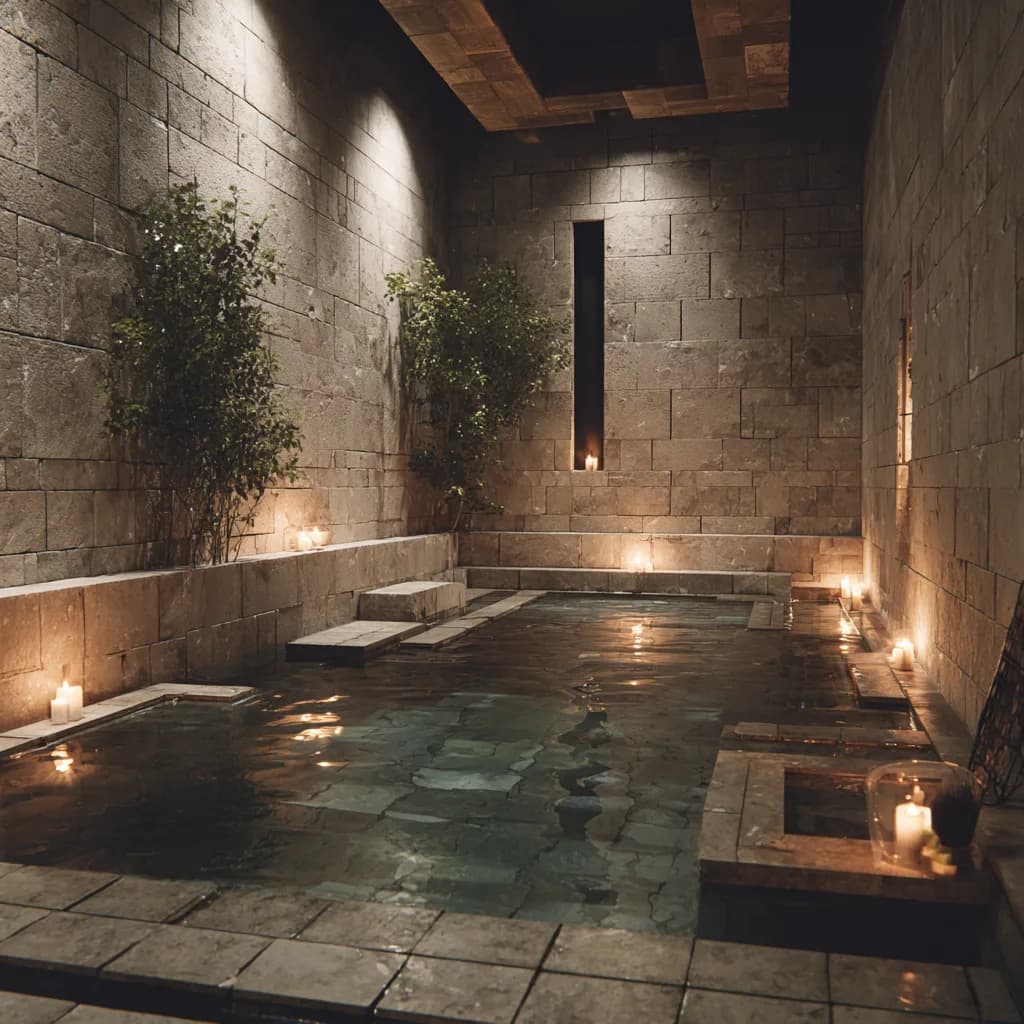
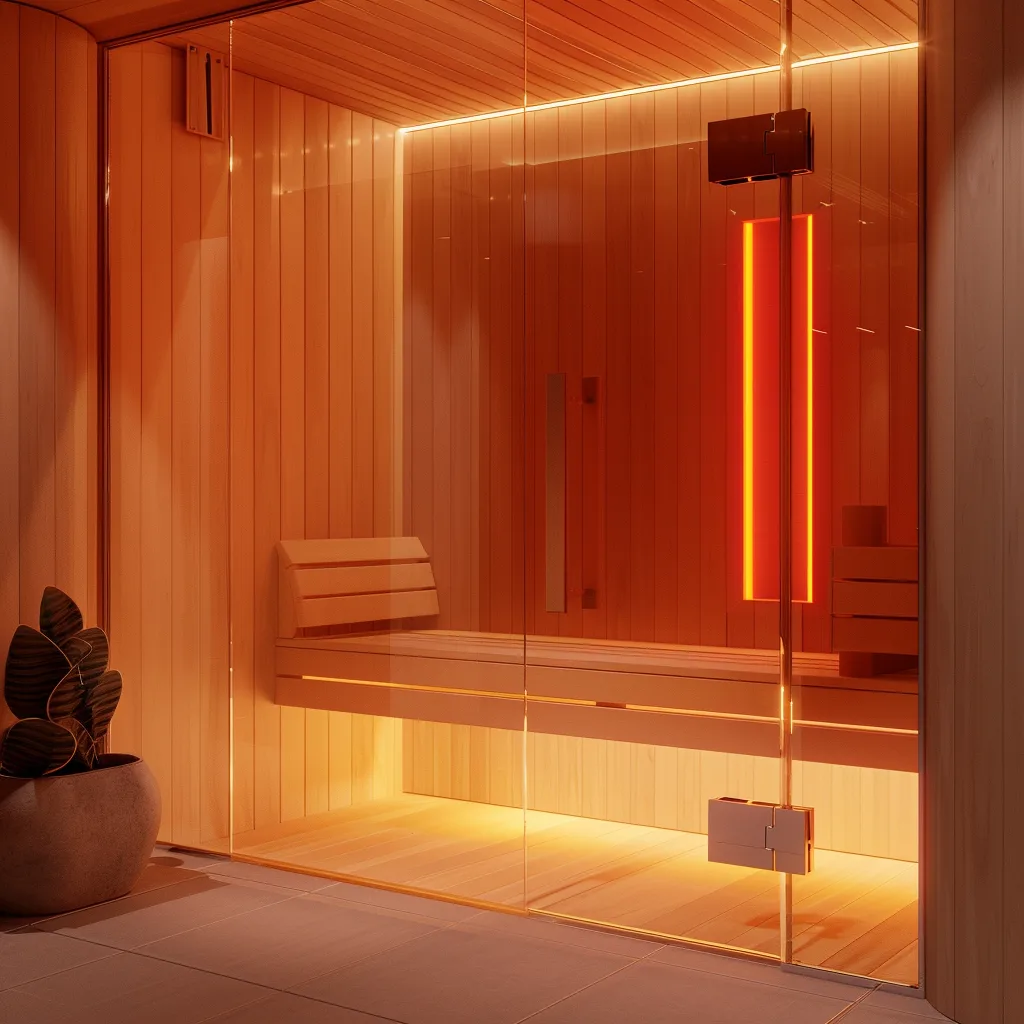
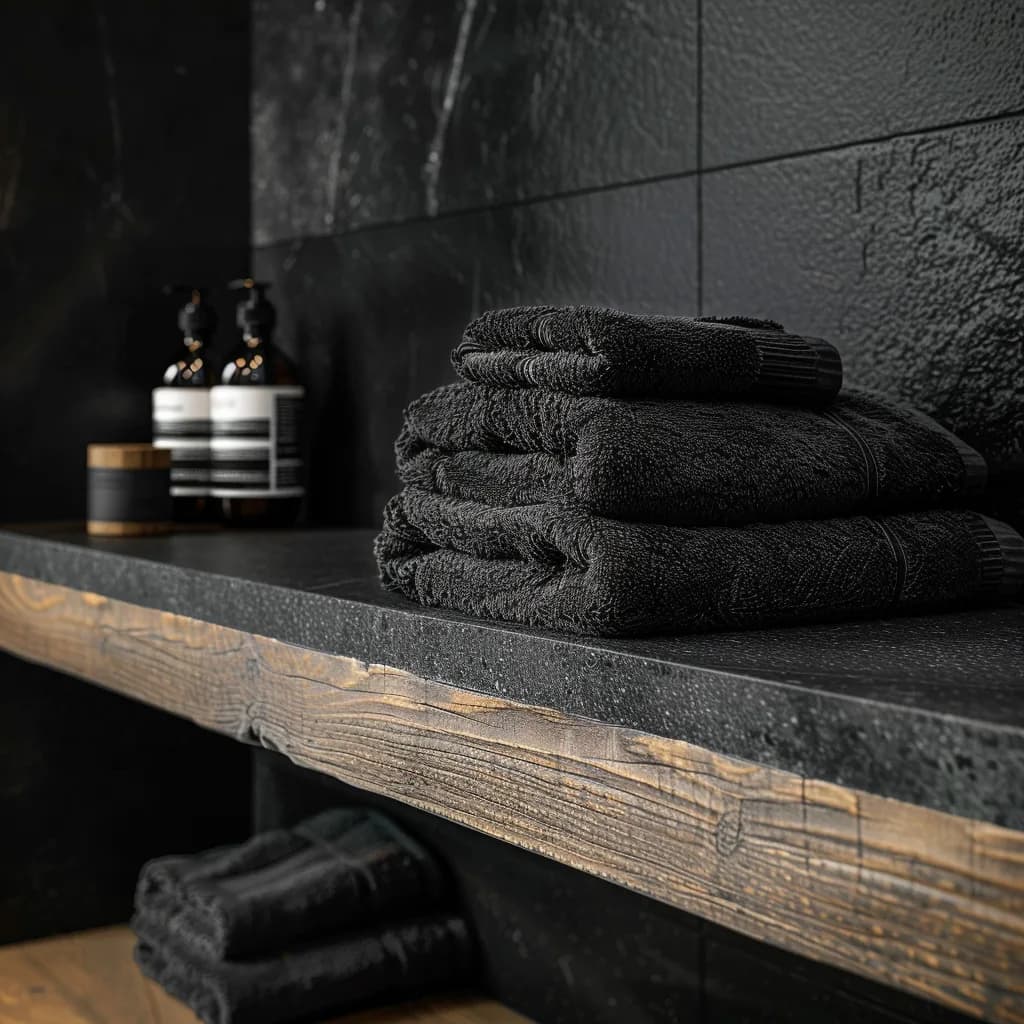
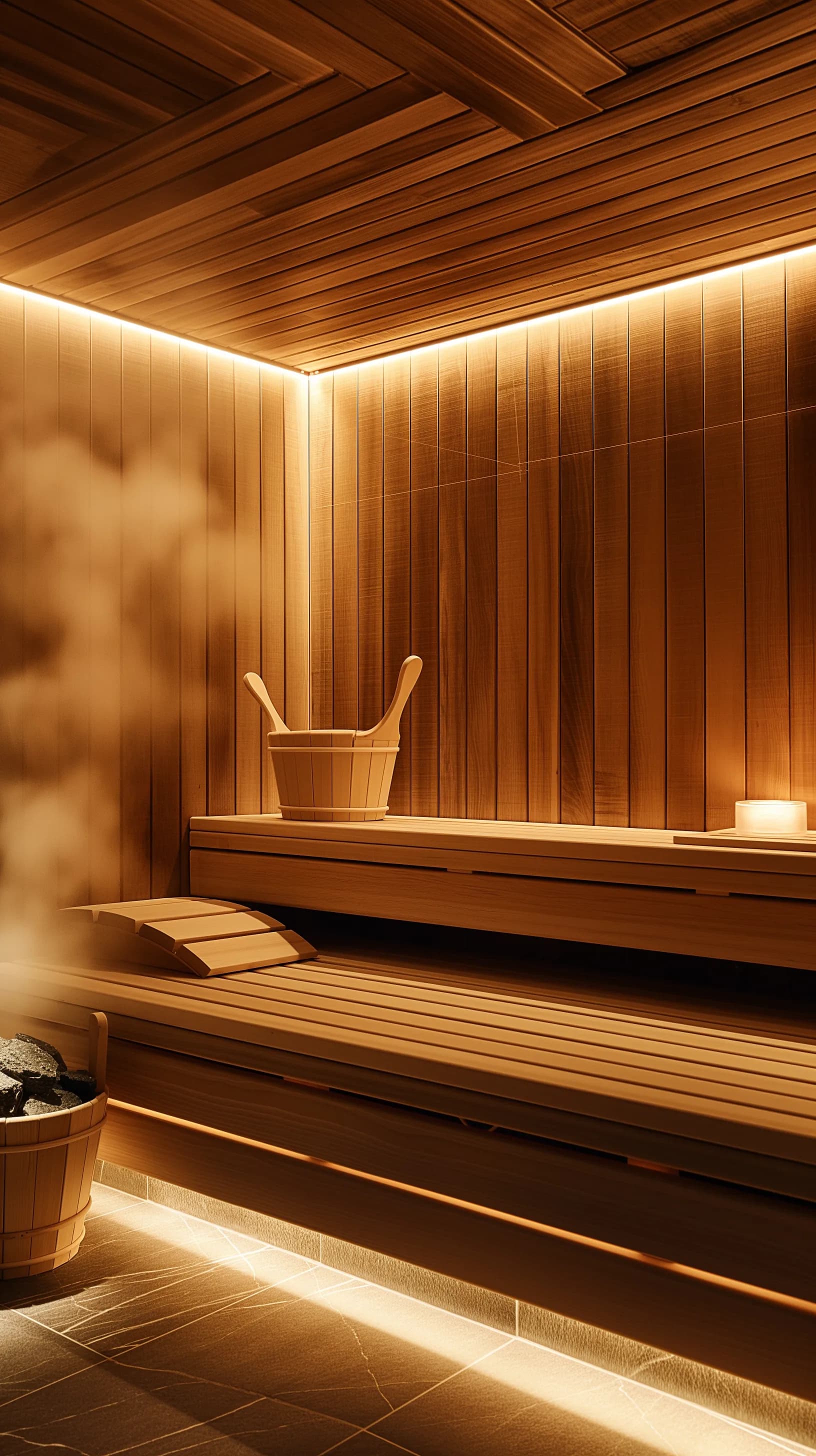
- A black timber sauna with deep, even heat and Scandinavian warmth
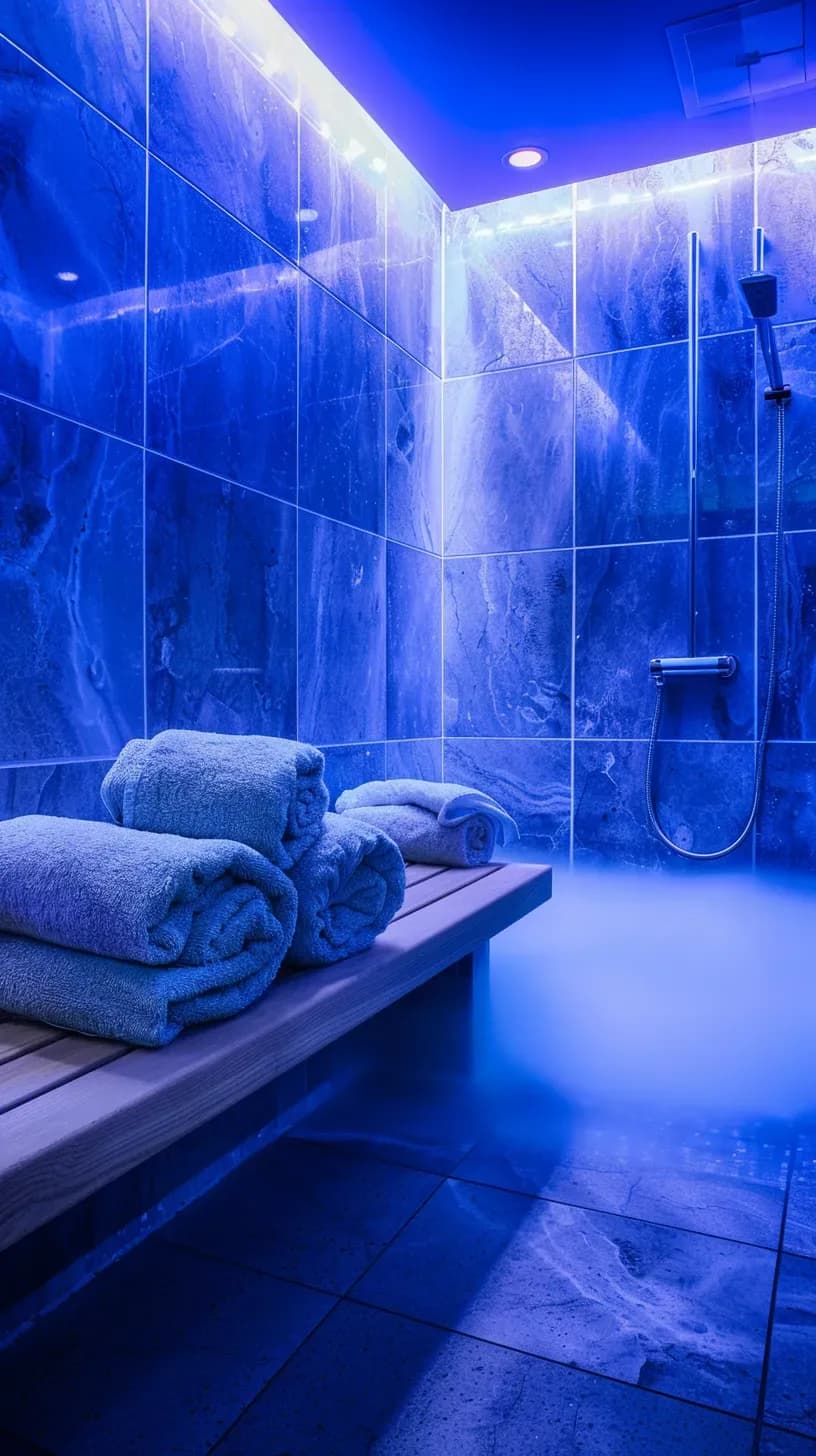
- A filtered-water steam room, designed to be gentle on lungs and skin
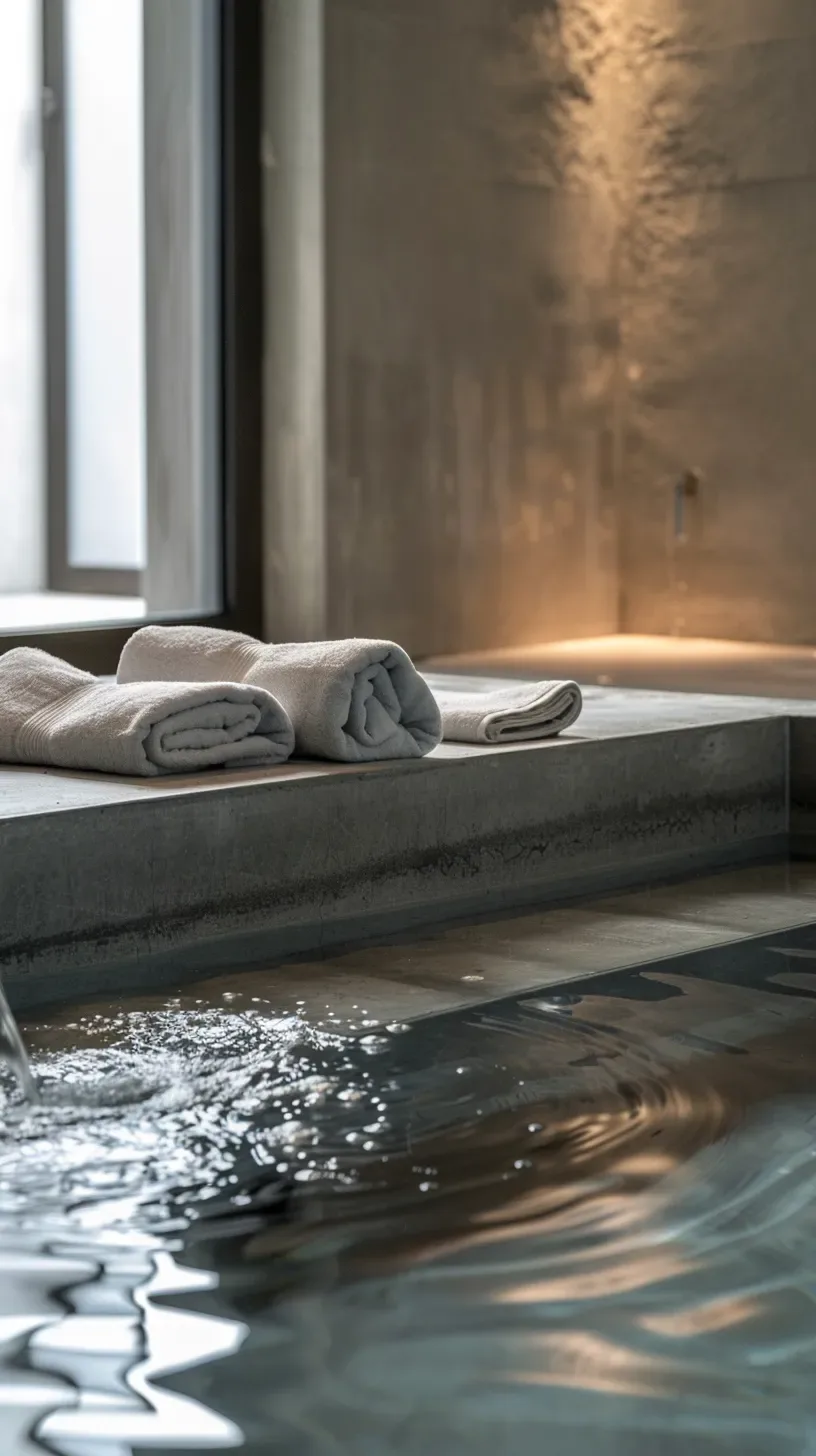
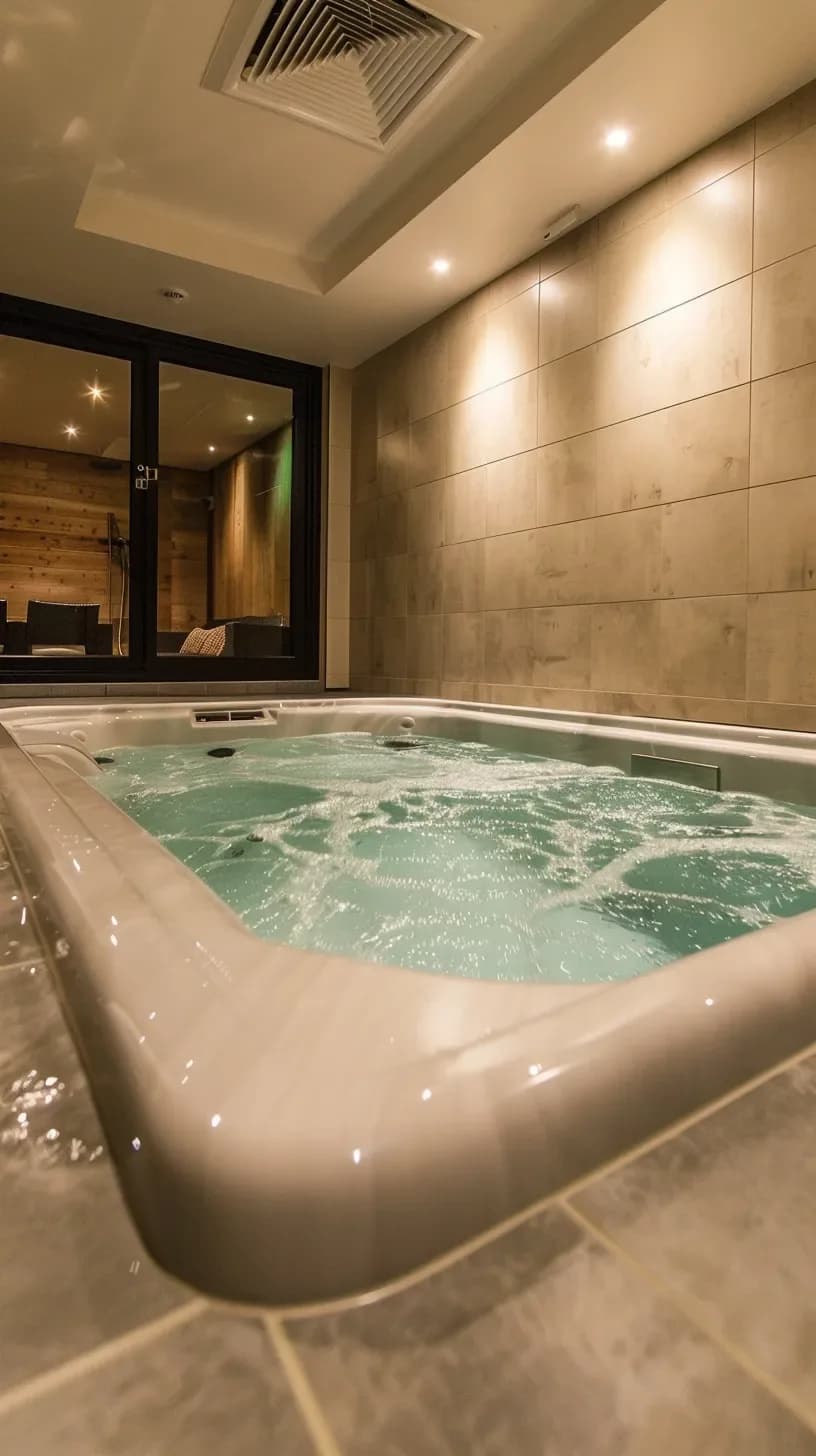
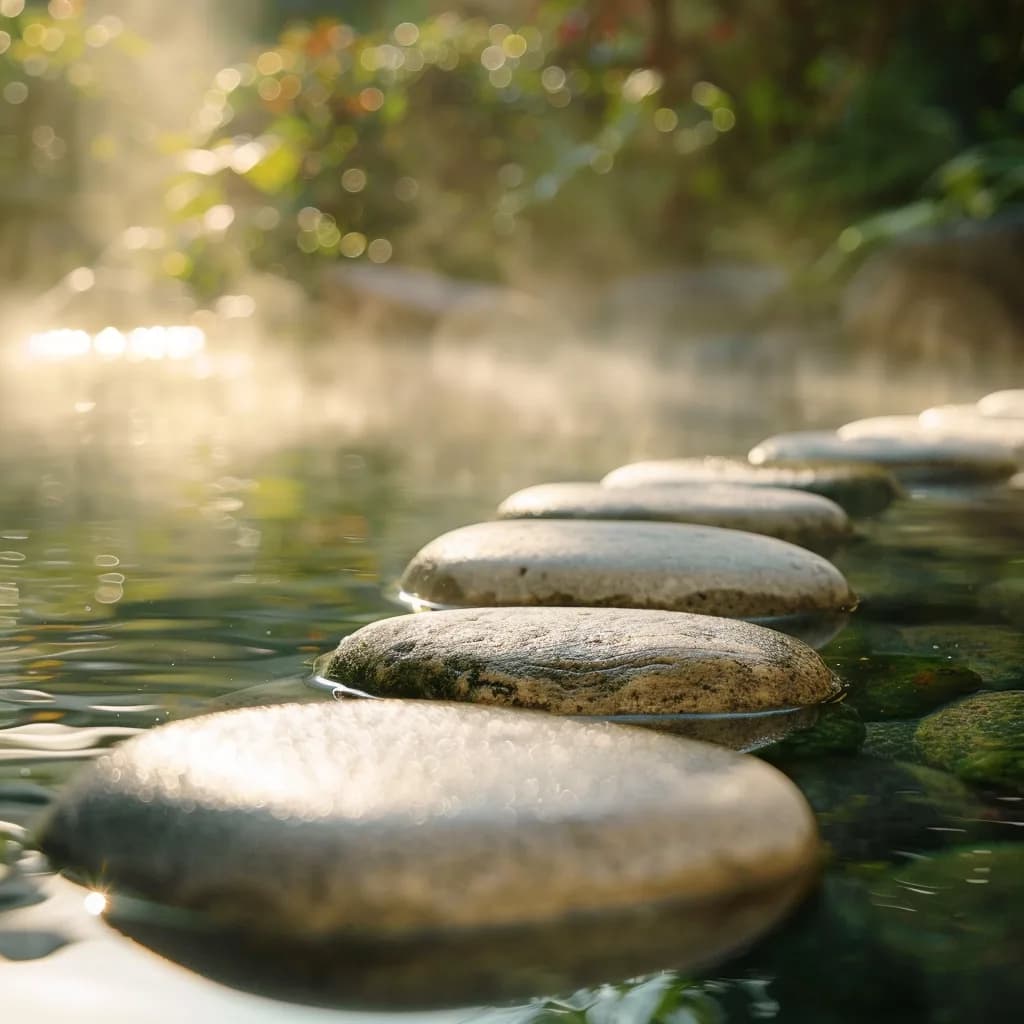
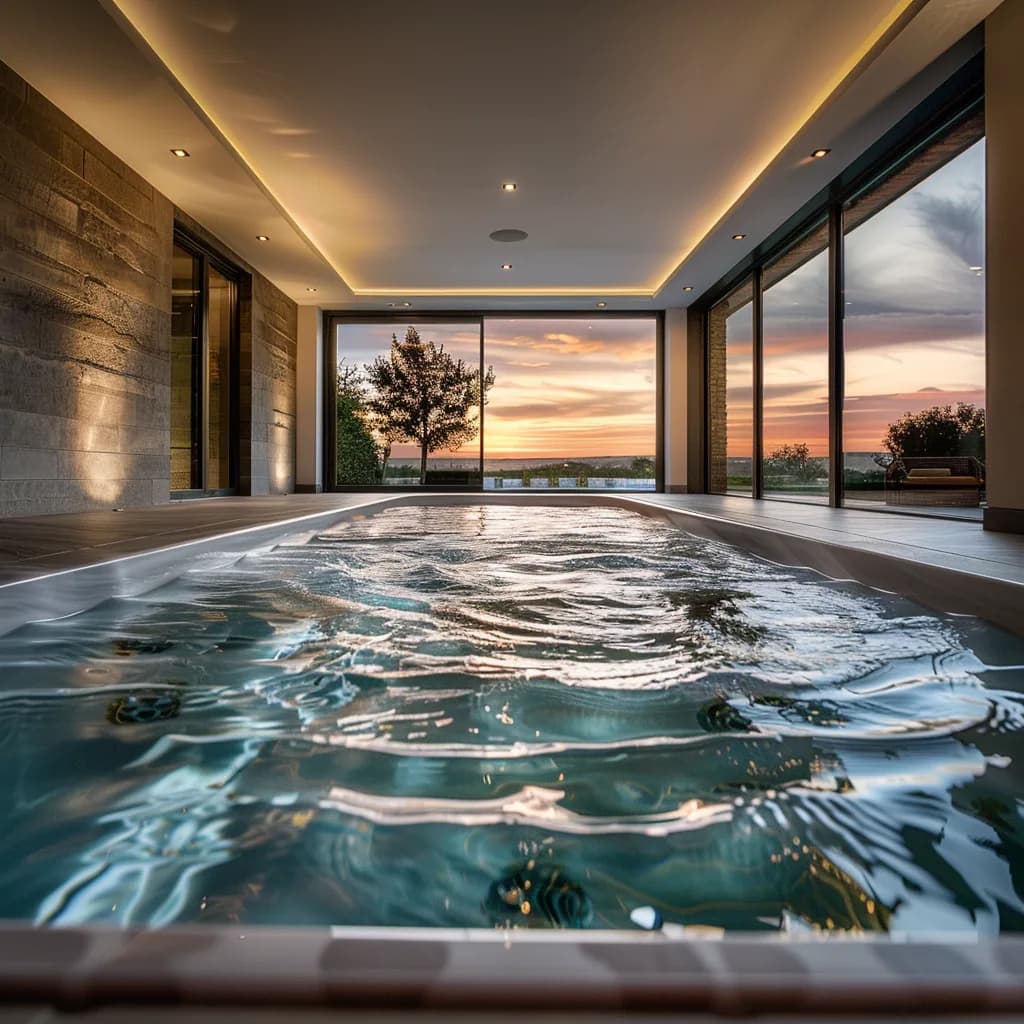
- A magnesium hot pool for muscle softening and emotional decompression
- A 0–2°C ice plunge for strong cold exposure
- An 8°C cold plunge for gradual, repeatable contrast
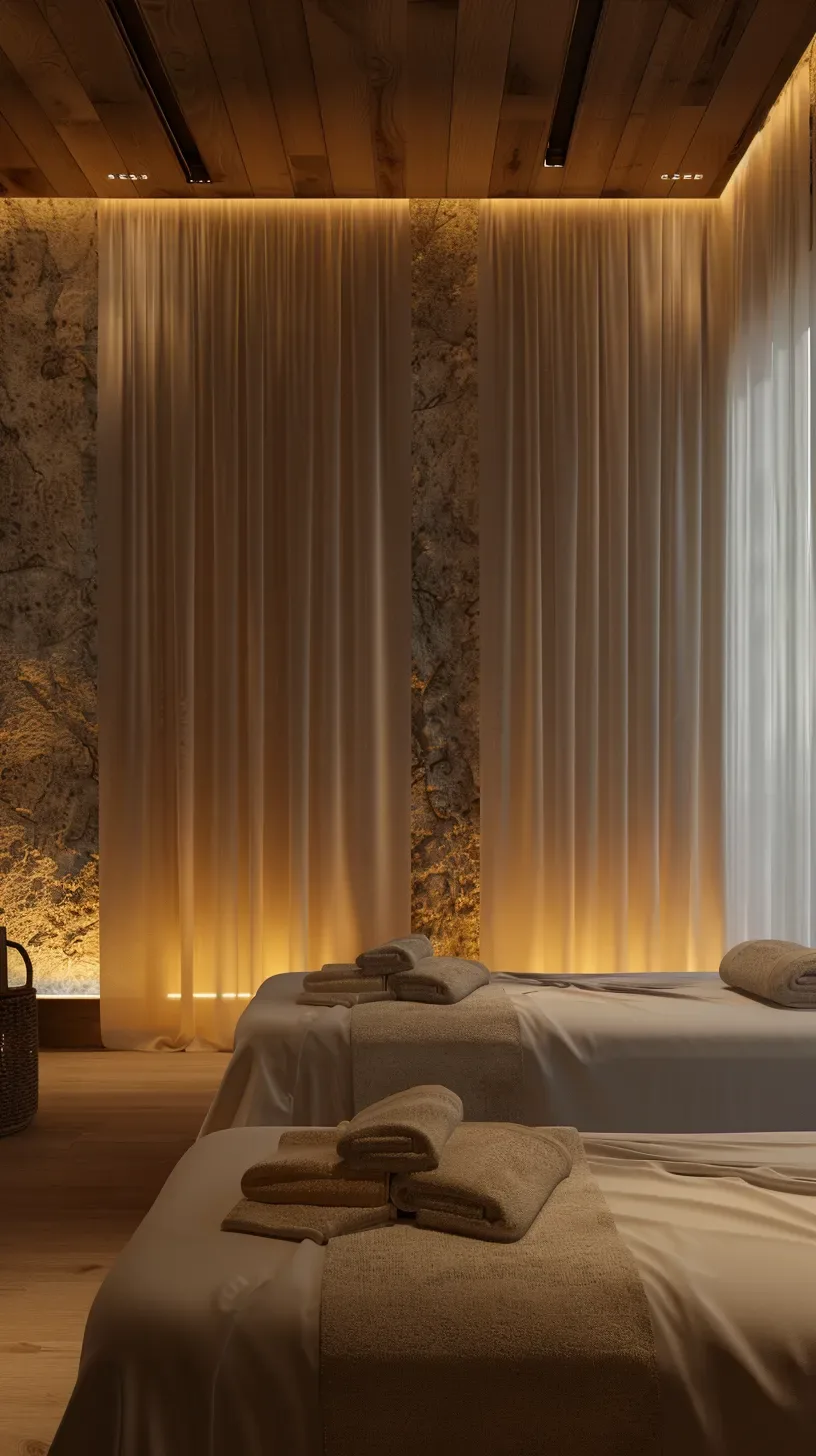
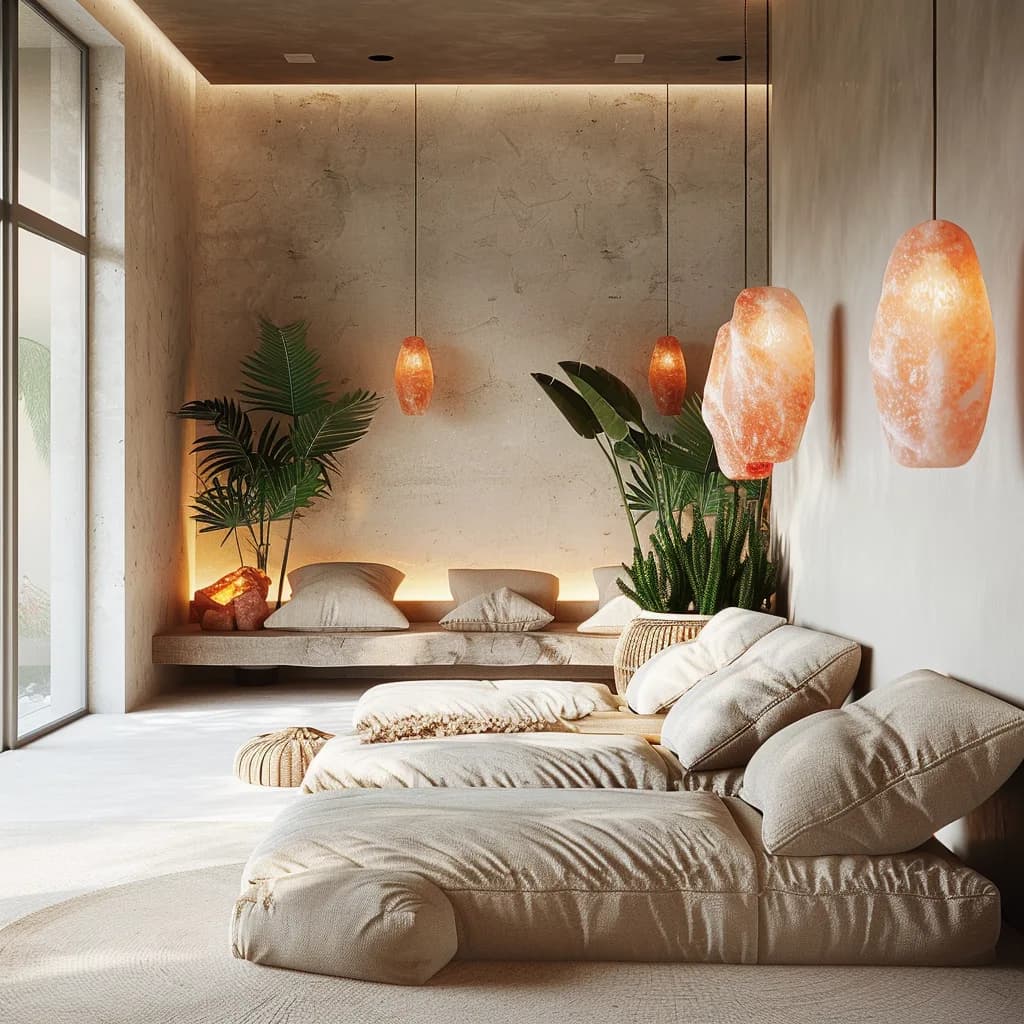
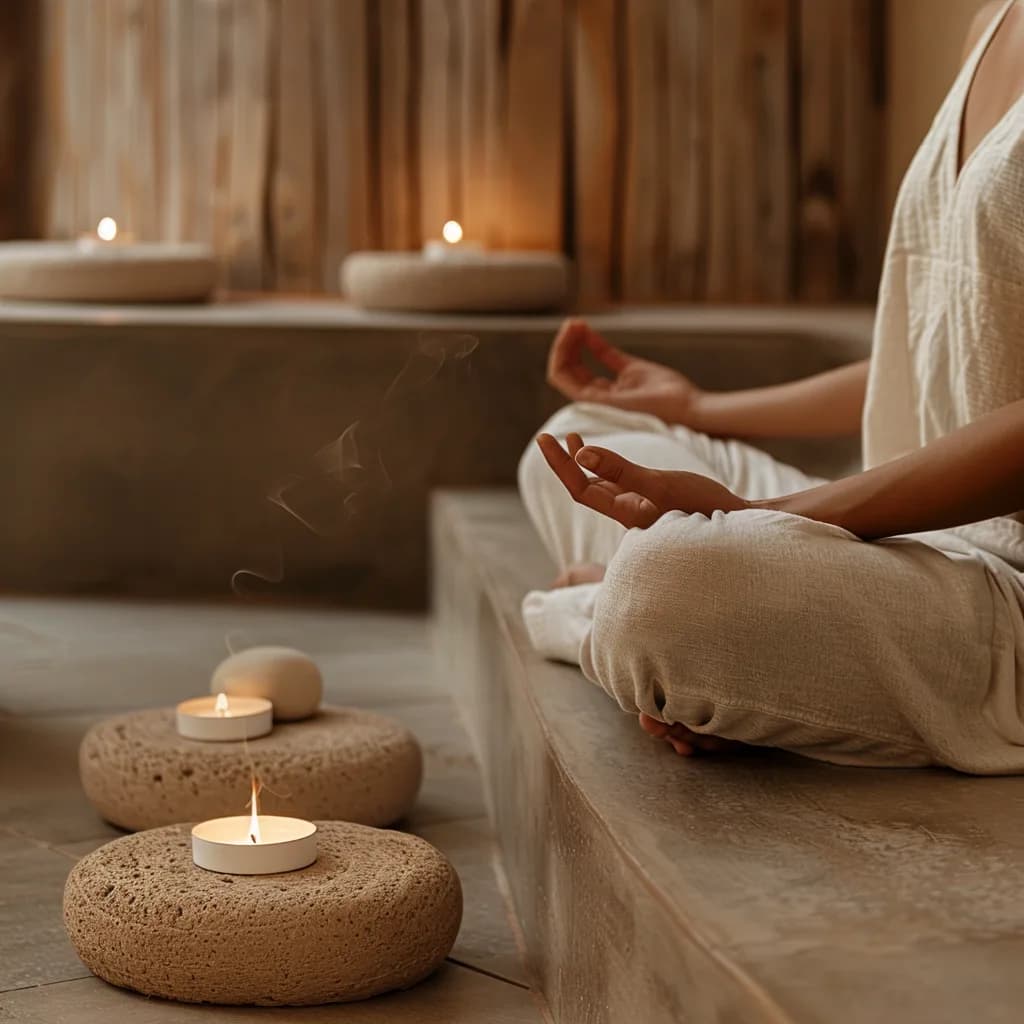
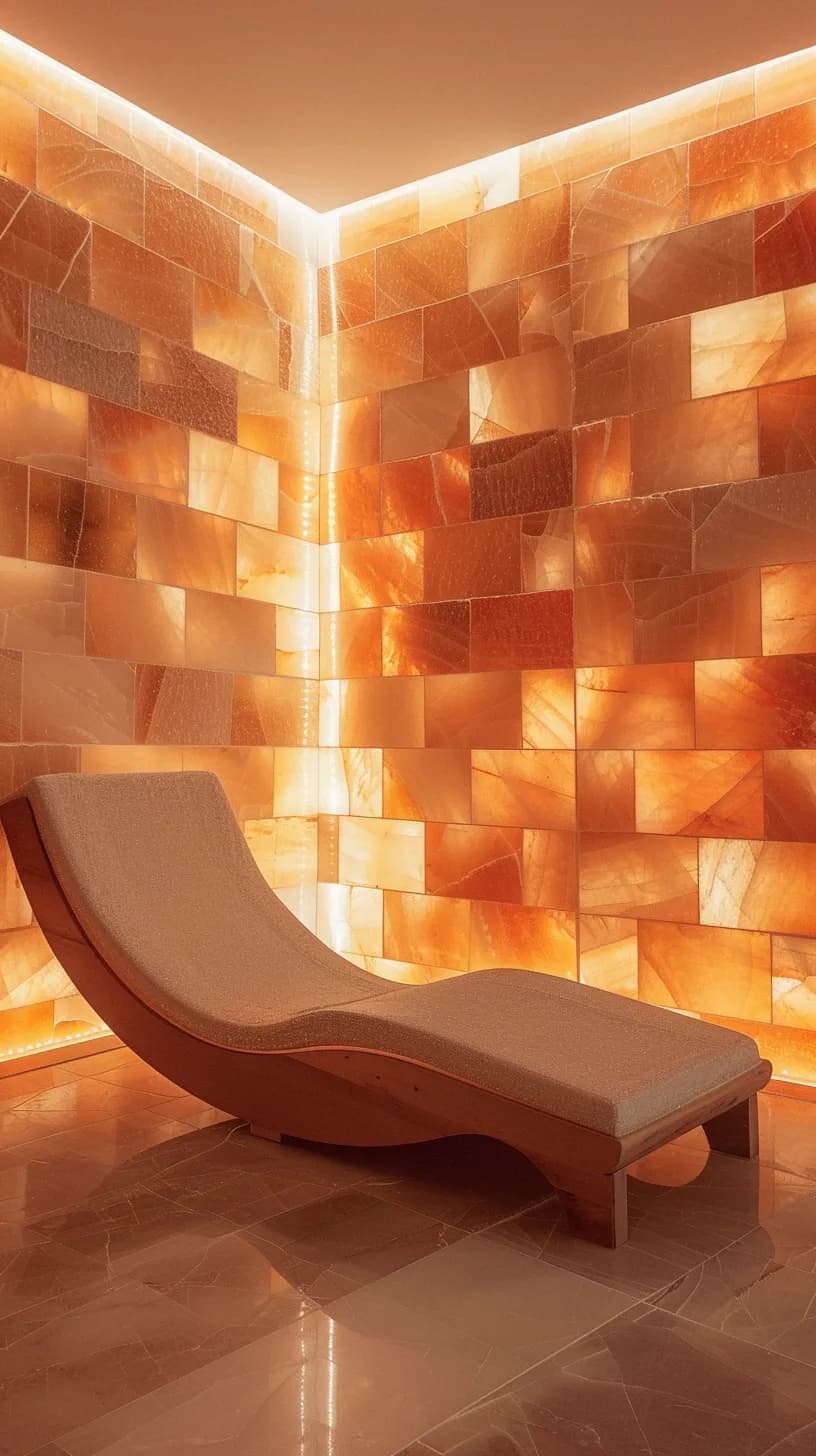
- A lounge space for integration, reflection, and connection
People come alone, with partners, or with friends. They move at their own pace. They ritualise their session (heat, cold, rest, repeat) in a way that feels almost meditative.
Browse Our Spas



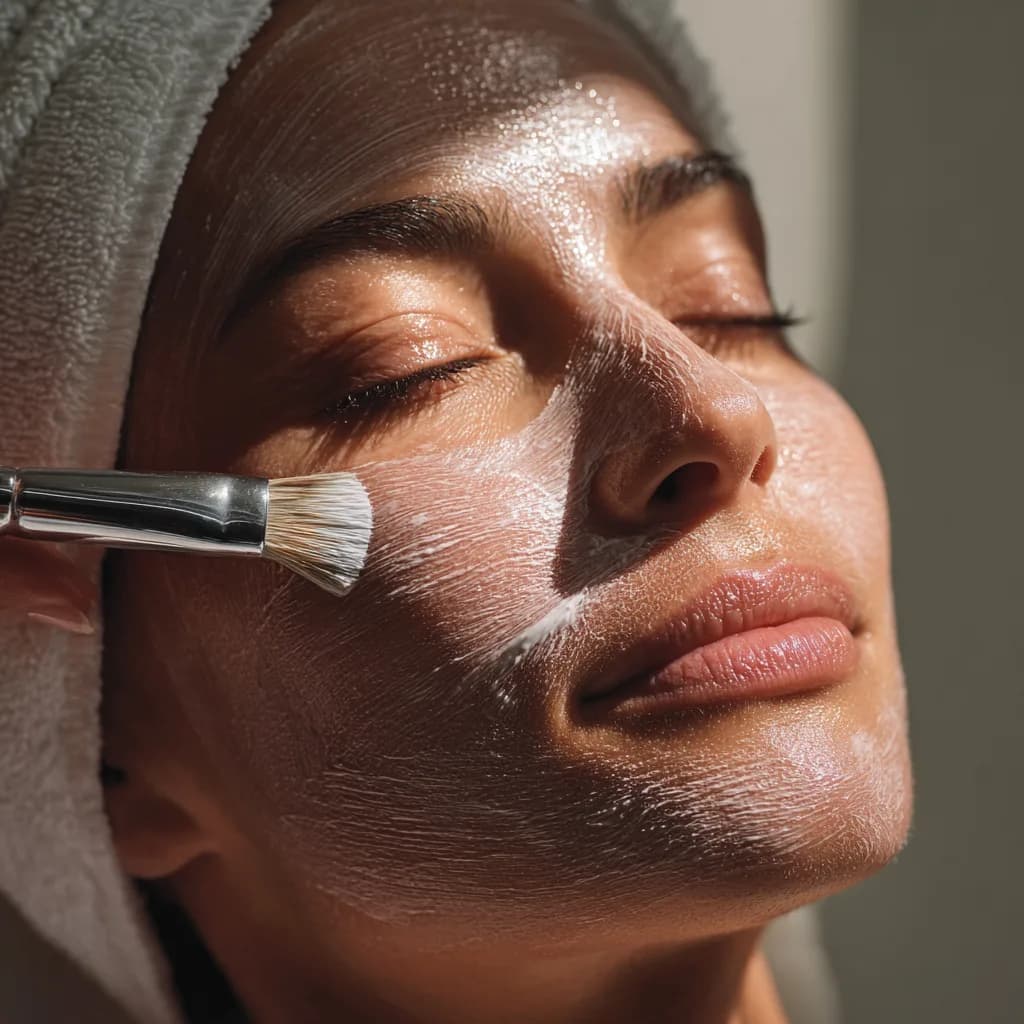

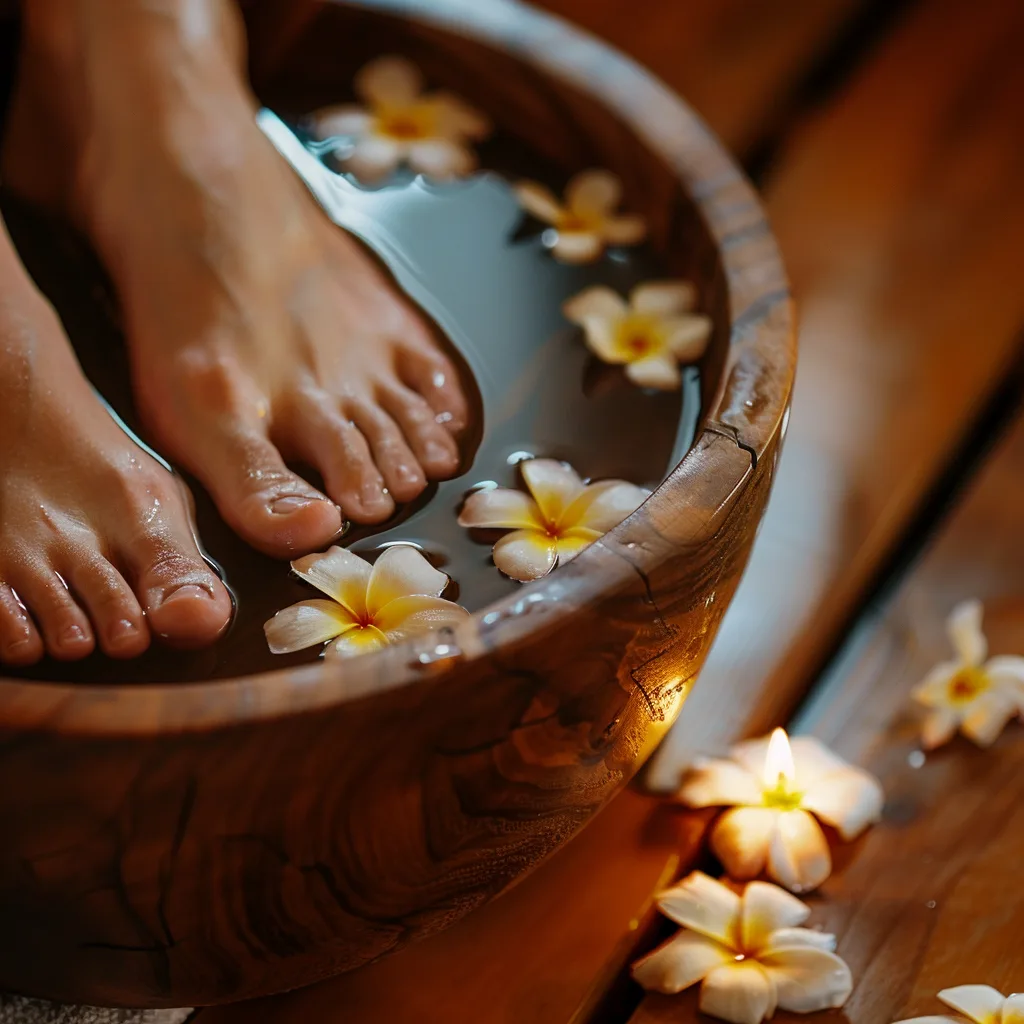
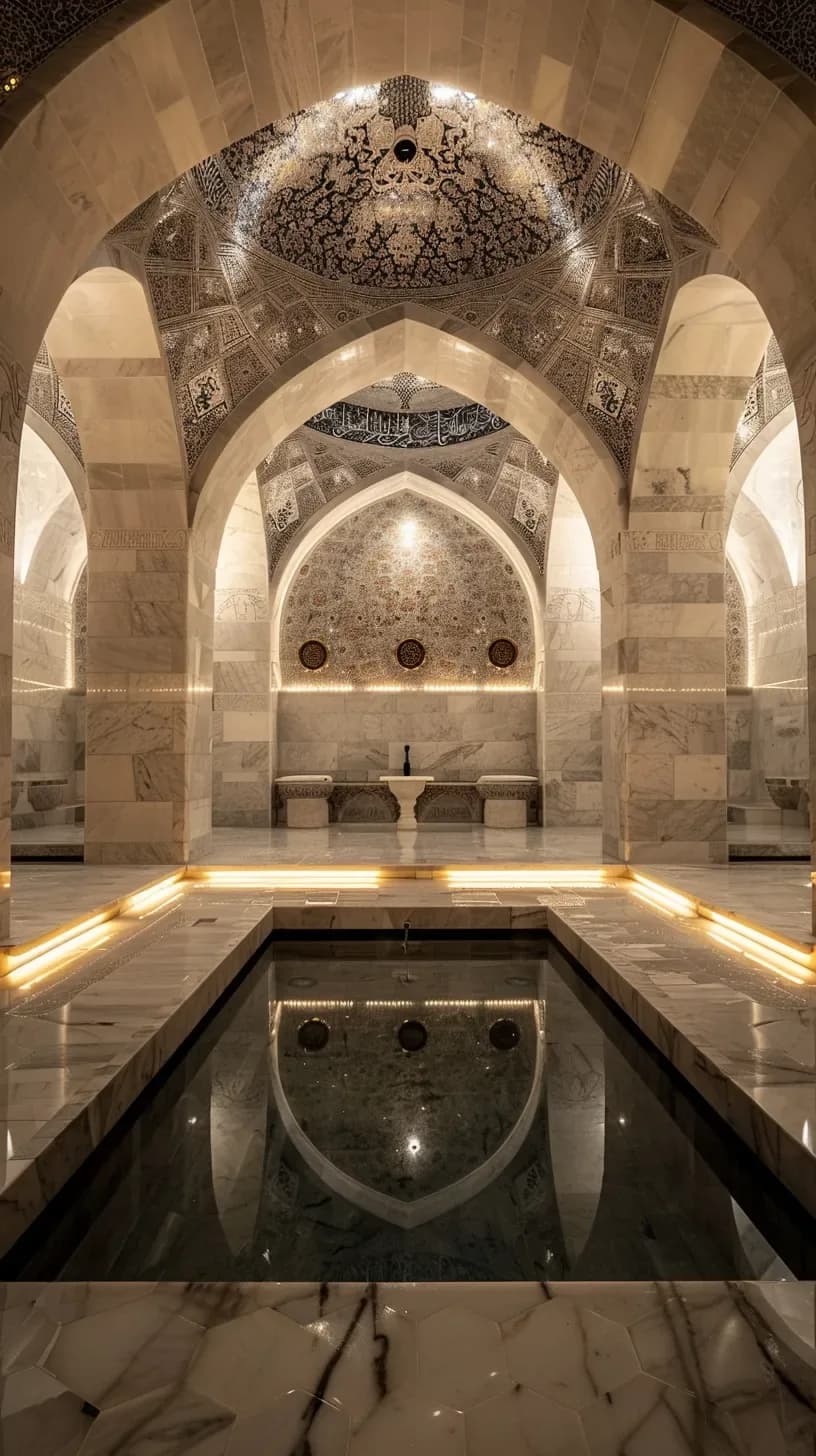





But the larger shift is this:
Bathhouses aren’t replacing spa treatments, they’re widening the wellness gateway.
They attract people who might never book a long massage, but who are deeply drawn to the simplicity of heat and cold. They appeal to those who want community, rhythm, nature, and a sense of shared experience. And they speak to a growing desire for maintenance over escape, where wellbeing isn’t reserved for special occasions but woven into weekly life.
Navia is part of the reason bathhouse culture is accelerating across Australia not because it competes with spas, but because it brings something genuinely new, communal, and accessible to the wellness ecosystem.

Designed For Luxury, Using Black Timber, Clean Steam & Honest Comfort
It’s easy to talk about “elevated design”. It’s harder to build a space where every design decision genuinely serves the body and the experience.
Navia’s use of black timber in the sauna is a good example. The darker palette doesn’t just look sleek on Instagram; it softens the light, deepens the sense of enclosure, and invites you inward. It feels less like a gym sauna and more like a sanctuary – a place to exhale and stay a little longer.
Then there’s the filtered water in the steam room. It’s a detail many guests will never notice explicitly, but they will feel it in the clarity of their breathing, the way their skin responds, the absence of that harsh, chemical heaviness some steam rooms carry.
These are the kinds of “invisible luxuries” that separate a space built for photos from a space built for nervous-system health.
And they raise a bigger point for the industry:
If bathhouses are going to become weekly rituals rather than rare treats, they need to be built to a higher standard of care e.g. materials, water quality, airflow, acoustics. Navia is quietly pushing that bar up for everyone.

Community at the Core, Not Just in the Tagline
Navia’s values (Community, Wellbeing, Authenticity, Relaxation, Inclusiveness) could easily sit on a website and mean very little. The difference here is how they show up in practice.
By offering shared access rather than only private rooms, Navia creates a modern version of the Nordic communal bathhouse: strangers in the sauna, friends comparing plunge strategies, locals turning a Tuesday night into a ritual rather than a blowout.
It’s a subtle but important cultural shift:
- Wellness stops being something you do alone, in secret, to fix yourself
- It becomes something you do with others, regularly, to stay well
In a post-pandemic world where remote work and digital connection still dominate, these kinds of physical, embodied, communal spaces are quietly becoming social infrastructure. Byron is an especially interesting testing ground for that – a place already known for alternative communities, now embracing a more grounded, Scandinavian-informed form of togetherness.

Things You Might Notice at Navia…
Spend a little time inside Navia and you’ll start to see the quiet patterns that define the space… not scripted rituals, but human ones.
Two best friends easing into the magnesium pool, finally having the kind of conversation that never quite lands in a café.
A couple moving through heat–cold–rest like a shared language, supporting each other with a nod before the plunge.
Small groups of locals who’ve turned Navia into their weekly anchor point - not an event, but a rhythm.
Solo visitors curled up in the lounge with tea, letting the steam, timber, and mineral warmth soften whatever the day carried in with them.
There’s a gentle choreography here:
strangers offering a smile after the ice bath,
someone quietly leaving space for another person on the sauna bench,
a shared exhale as the steam settles.
None of it is loud. None of it is performative.
It’s the kind of community that forms naturally when people are relaxed, unhurried, and present in their own bodies.
Navia isn’t just a place people visit, it’s a place where they reconnect, sometimes with each other, sometimes with themselves. And in those small, unposed moments, you see exactly why this new wave of bathhouse culture is growing so quickly.

Massage That Extends the Ritual, Not Competes With It
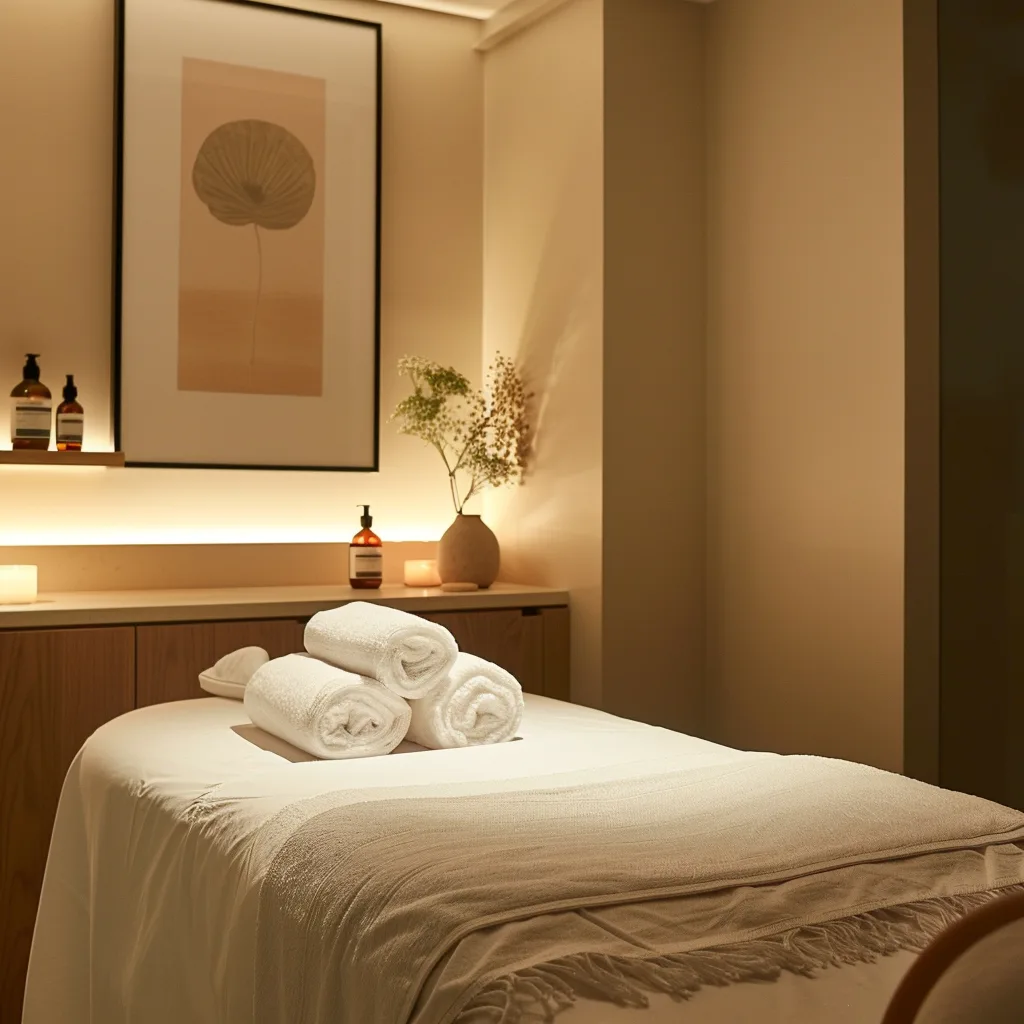
Navia also offers 60- and 90-minute massage treatments (remedial, relaxation, pregnancy) but again, the way they’re framed is telling.
Massage isn’t the star with everything else as a warm-up. It’s one more layer in a holistic experience:
- Bathhouse first to soften the body, quiet the mind
- Massage to go deeper into specific tension patterns, stress, or pregnancy support
- A gentle return to the lounge, tea, and slow re-entry into the day
It’s the same sequencing logic we’re seeing in world-class spas and bathhouses: if you use heat, cold and rest well, the manual work that follows becomes more effective and more memorable.
For the industry, this suggests a clear direction:
the future of spa menus is less about adding more things, and more about connecting the things you already have into meaningful, intelligent arcs.
Navia is doing exactly that.

Byron as a Test Bed for the Next Wave of Bathhouses
If you were going to test a new model for bathhouse culture in Australia, Byron is an almost too-perfect laboratory.
It already attracts:
- Health-conscious locals and visitors
- People comfortable with ritual, breathwork, yoga, surf, and alternative therapies
- Travellers actively seeking experiences rather than just accommodation
Navia slots into that ecosystem in a way that feels both inevitable and fresh. It proves that a Nordic-inspired, design-led, ritual-focused bathhouse can not only exist in a coastal Australian town – it can feel like it belongs there.
That has implications beyond Byron:
- It shows that sophisticated thermal experiences don’t have to be confined to city hotels or secluded retreats
- It suggests that regional centres, surf towns and lifestyle hubs across Australia could support their own versions of this model
- It adds pressure (in a good way) on other operators to reconsider what’s “standard” for water quality, design materials and guest experience
Navia doesn’t scream about any of this. But by quietly doing the work (black timber, filtered steam, thoughtful flows, inclusive access) it’s helping define what “good” looks like for the next generation of bathhouses.

But What Is The Bigger Trend?
Step back, and Navia is part of a much larger movement.
We’re seeing a clear shift:
- From occasional spa days to regular, realistic rituals
- From solo “escape” wellness to shared, communal wellness
- From glossy luxury for the few to thoughtful, sensory quality that feels accessible
Navia’s opening hours say as much as its design:
7am–8pm, seven days a week.
This is not a space that expects you to take half a day off to justify the experience. It’s built to fit around real lives: an early-morning heat–cold loop before work, midday reset between meetings, evening bathhouse session with a friend instead of heading to a bar.
In doing so, it’s answering a question more and more Australians are asking:
“How can I feel more grounded, more often…without needing a holiday to do it?”

Why Navia Matters (Far Beyond Byron)
Navia is still new. But conceptually, it’s already important.
It stands at the intersection of several powerful trends:
- Global fascination with Scandinavian sauna and cold-plunge culture
- A maturing of Australia’s wellness scene from “retreat escaping” to everyday regulating
- The rise of bathhouses as social spaces, not just service providers
- A growing expectation that design and operations reflect real care – for bodies, water, community and land
In practice, that looks like:
- Black timber enveloping you in heat instead of strip-lit tiles
- Steam fed by filtered water instead of something that irritates your lungs
- Magnesium pools, ice plunges and warm lounges set up to be used often, not once
For Byron, Navia feels like a natural next chapter.

If You Go to Navia
Location: Byron Bay, NSW
Experience: Scandinavian-inspired bathhouse rituals, massage treatments, and modern contrast therapy
Opening Hours: 7am–8pm, seven days a week
Website: https://www.naviabathhouse.com.au/
Instagram: @naviabathhouse
What to Book:
- Bathhouse Session (2 hours): Full access to sauna, steam room, magnesium hot pool, ice plunge, cold plunge, and lounge
- Massage Treatments: 60 or 90 minutes (relaxation, remedial, and pregnancy options)
Best Time to Visit:
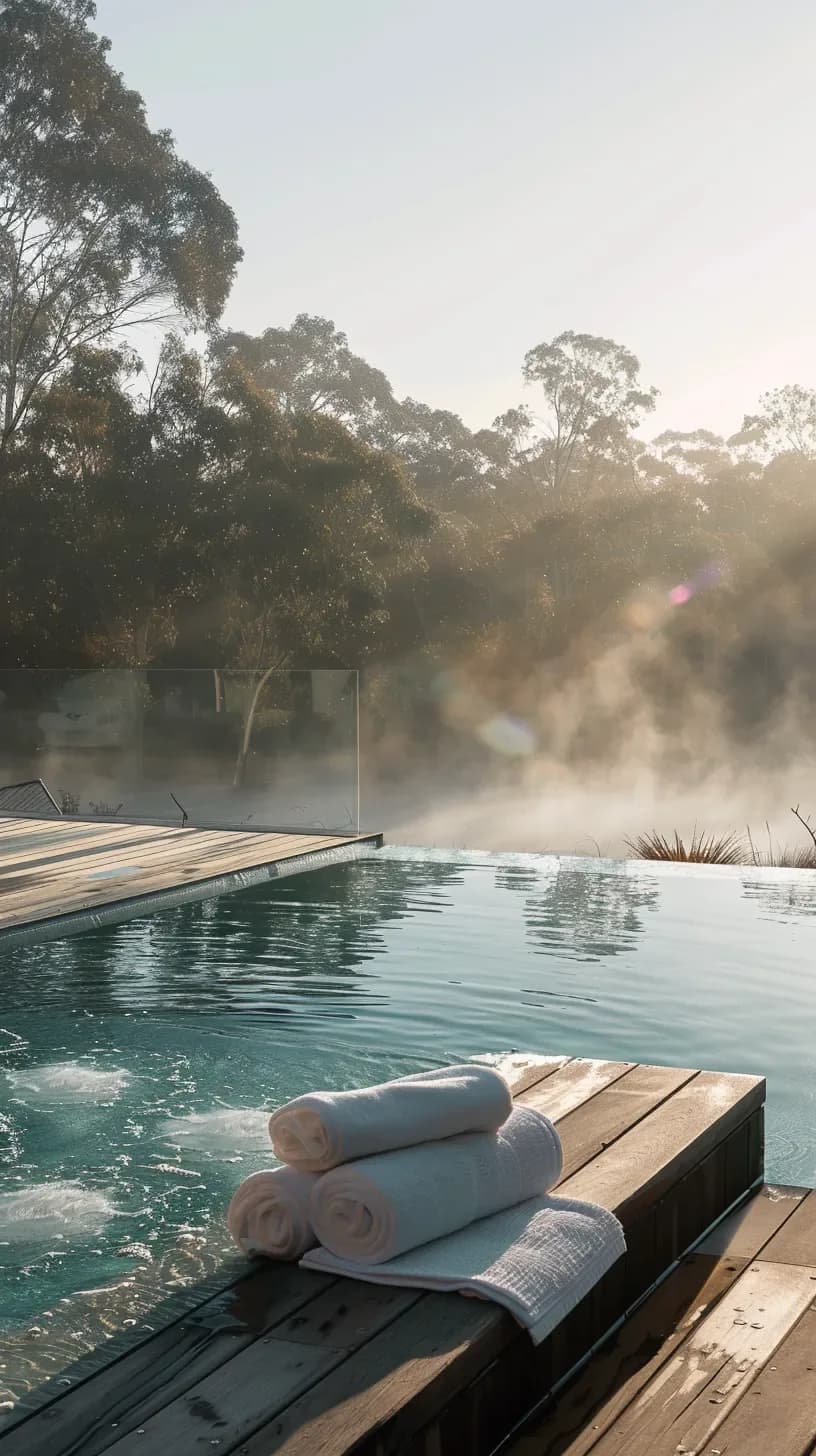
- Morning sessions offer calm, golden light and cooler air for contrast
- Evening sessions bring a softer, more intimate atmosphere and slower energy
Who It’s For:
Wellness newcomers, contrast-therapy enthusiasts, couples seeking connection, solo practitioners, and anyone craving grounded, sensory, elemental rituals rather than high-gloss “spa days.”
Pro Tip:
Book a morning bathhouse session followed by a slow coffee or beach walk. It creates a full-body reset that feels like the most luxurious version of simplicity.