Fresh Air, Real Conversations, No Cocktails, This Is Vikasati's Inspiring Wellness Culture in Brisbane & Gold Coast
We sat down with the founders of Vikasati’s Brisbane and Gold Coast bathhouses to explore how open-air rituals, community culture, and elemental recovery are shaping the next wave of Australian wellness.
There’s a new kind of “spa day” emerging in Australia. No cocktails in cabanas. No dim hotel corridor to shuffle down in a borrowed robe.
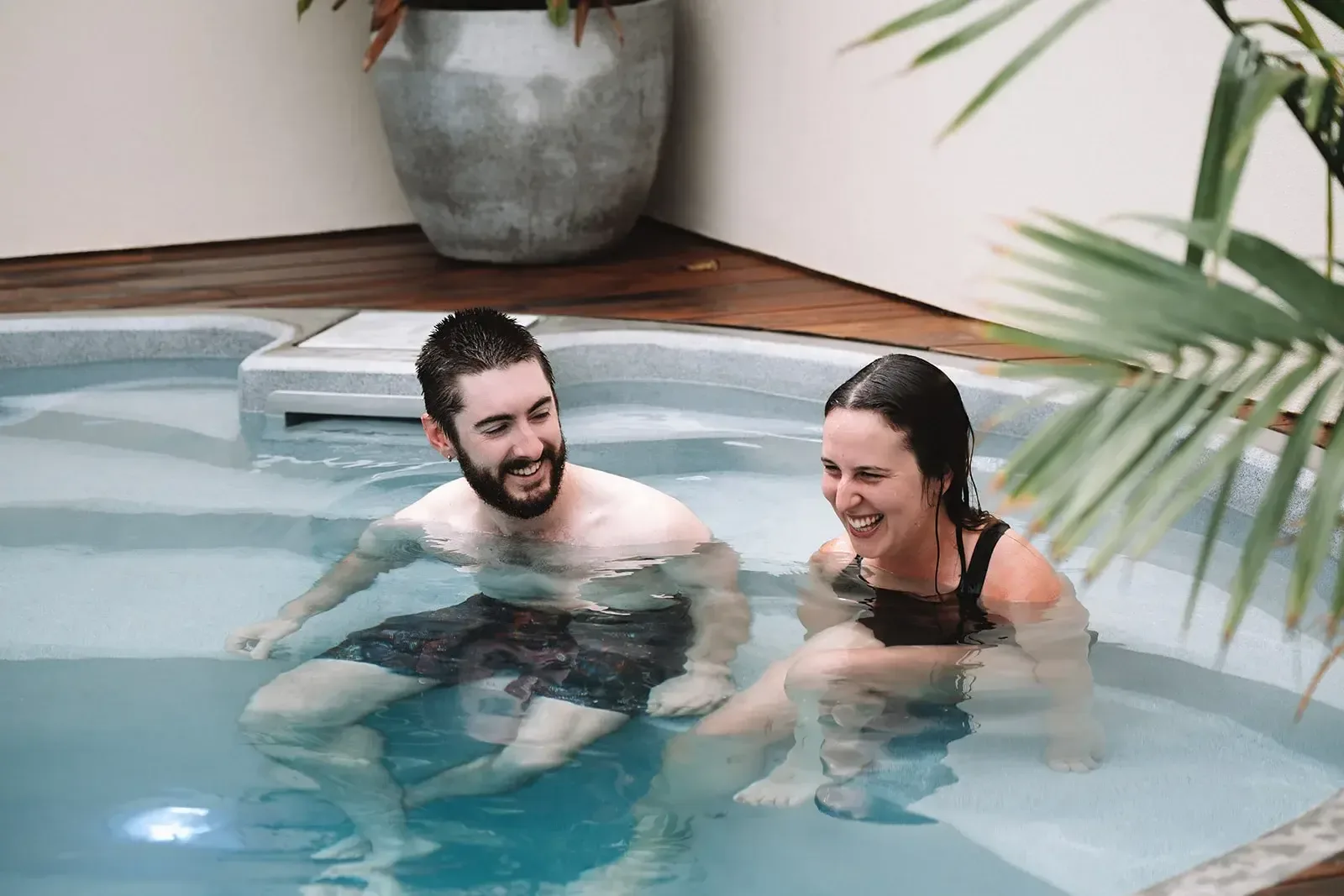
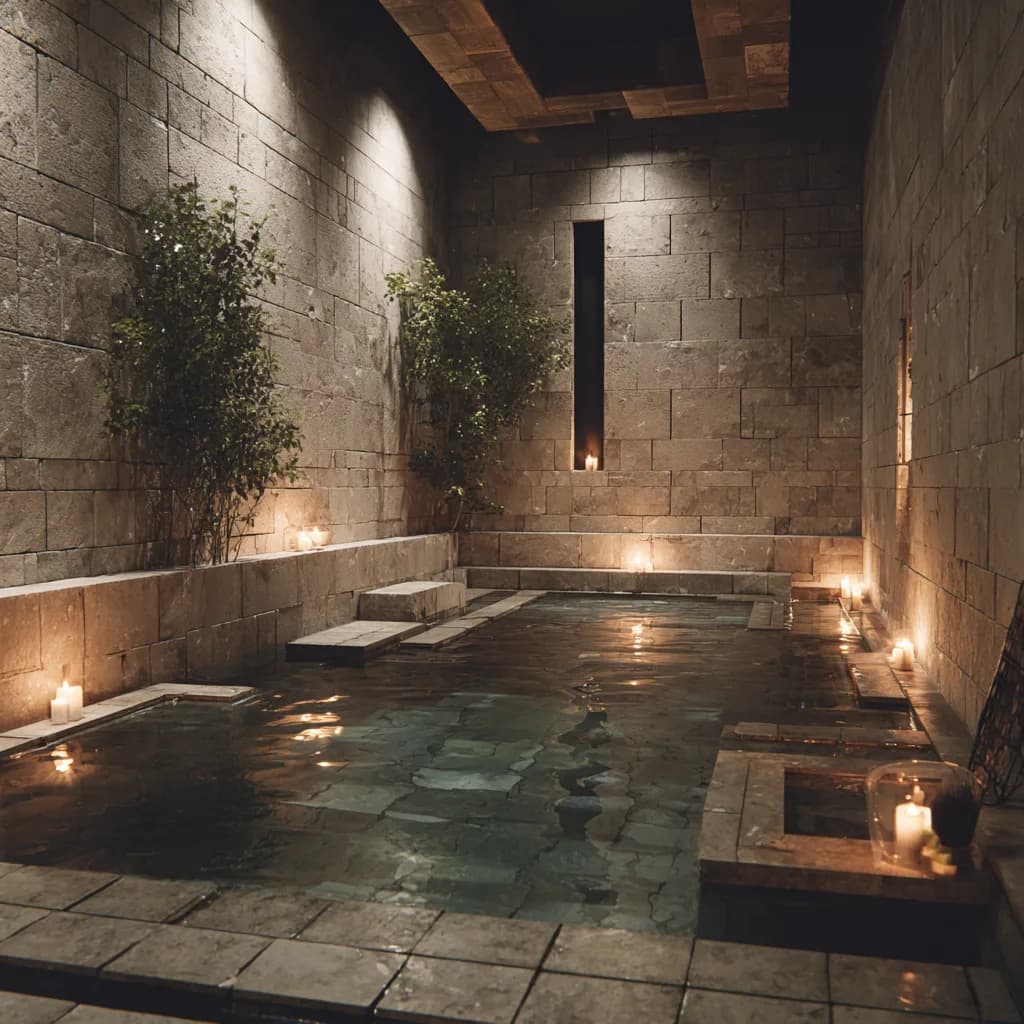
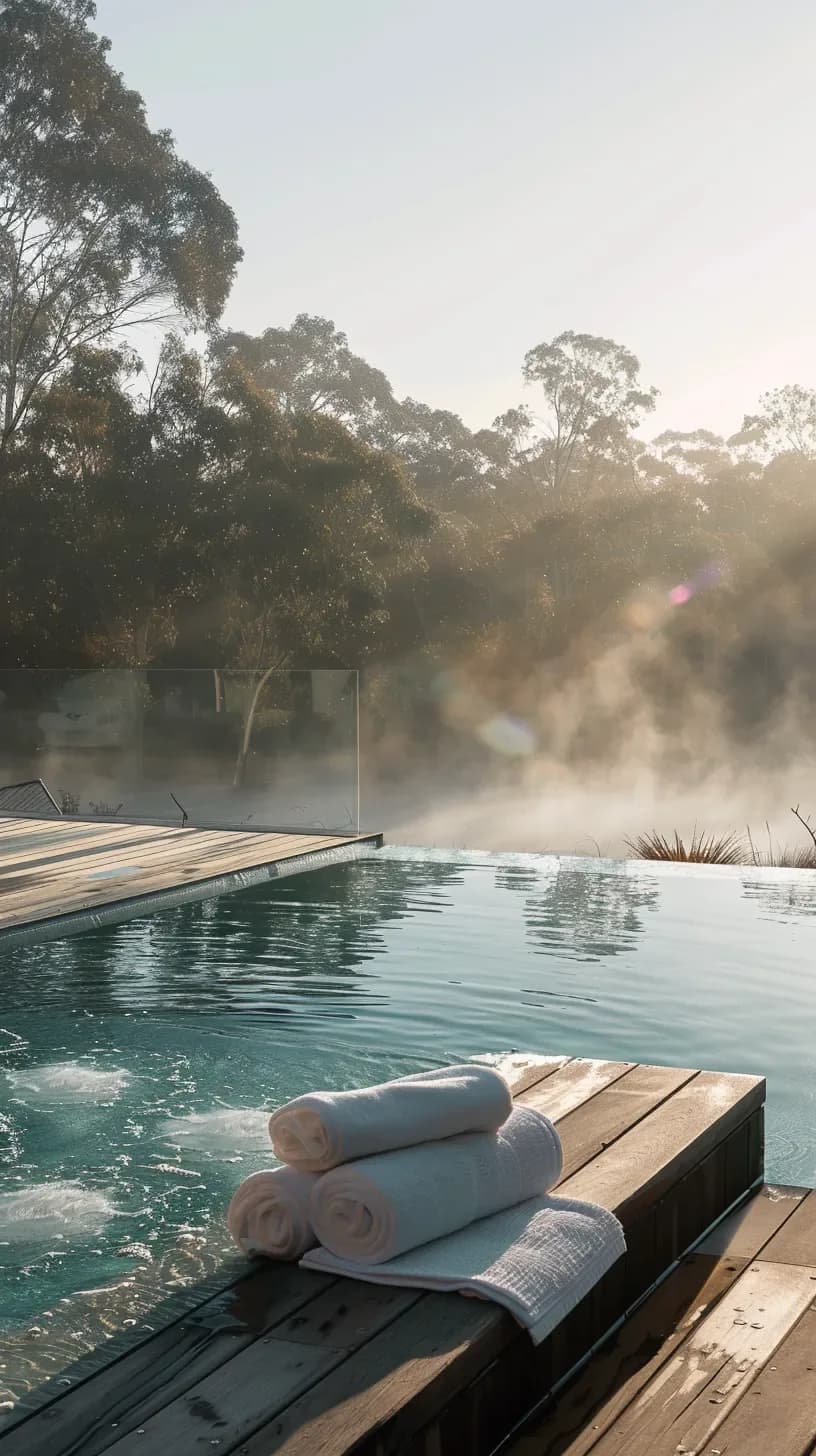
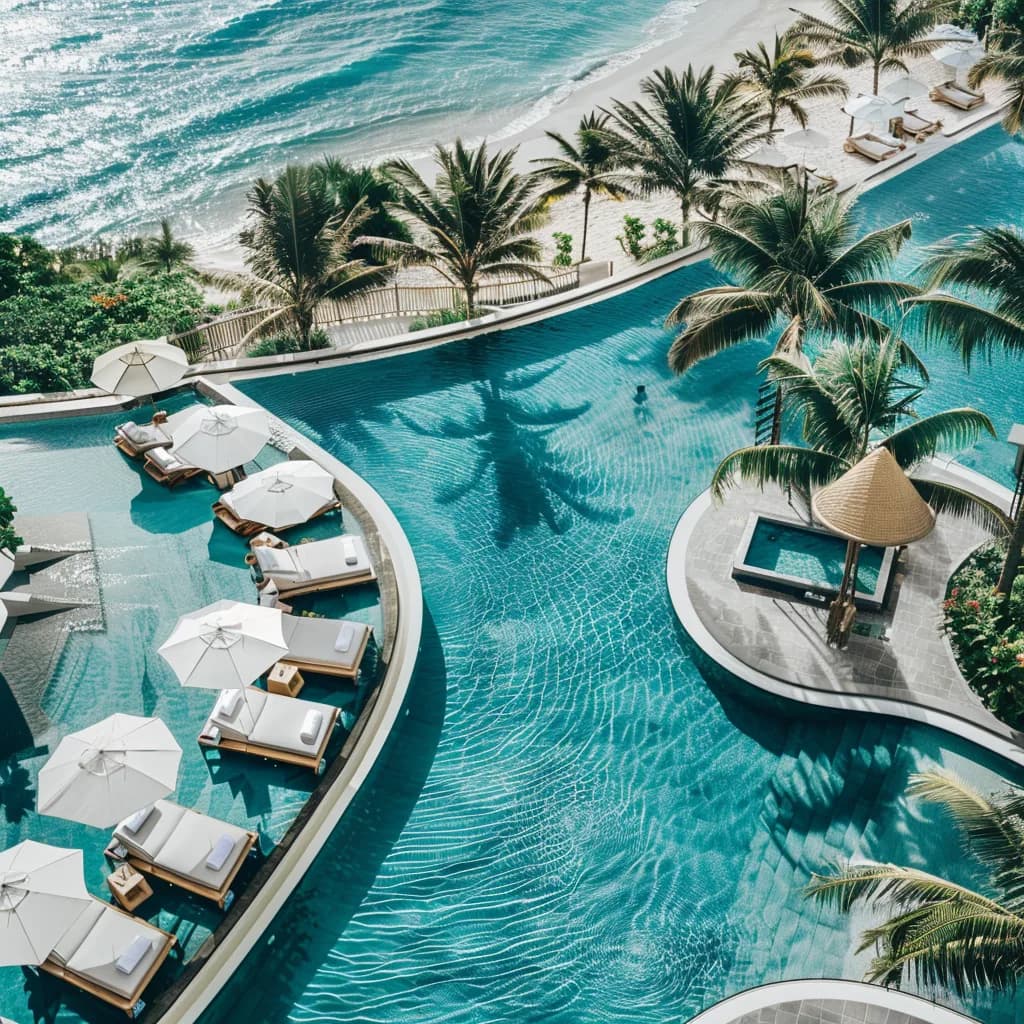
Instead: open sky, magnesium pools, a traditional sauna breathing out heat into the air, and people quietly moving through cold plunges and warm water in conversation with their own nervous systems.
That’s the world of Vikasati. An open-air bathhouse offering contrast therapy, community and challenge, and it’s tapping into something much bigger than another place to “switch off.”
This is wellness stripped back to elements: hot, cold, breath, light, connection.
Redefining Wellness In Capacity, Not Perfection
To understand the philosophy behind this rise of outdoor ritual-based wellness, we sat down with co-founders Will & Ben, two operators deeply embedded in both holistic health and community culture.
From the very first question, it was clear: they don’t talk about wellness the way most venues do. We asked Vikasati how they define “wellness” and for them, wellness isn’t about clean aesthetics or flawless routines.
It’s about capacity, having enough physical and mental energy to show up for the things that actually matter: work, relationships, family, movement, creativity.
“We support people to improve both their physical and mental health,” Will explained, “and encourage them to take a holistic approach to their wellness considering things like stress management, detoxification, recovery from training, reducing inflammation, and building resilience.”
In other words, the bathhouse isn’t the destination. It’s the infrastructure for a better life outside its gates.
From Holiday Feeling to Weekly Ritual
Many people still think of spa time as a once-a-year holiday indulgence: you finally stop, breathe, and remember what it’s like to feel good in your body.
Vikasati looked at that and asked, why only on holidays?
“We all know how good it feels when you go on holidays and finally take some time for yourself and slow down. We wanted to make this feeling a sustainable and accessible ritual for our community, not just to feel good, but to have compounding health benefits from coming more regularly.”
That word *compounding* is important. In a world obsessed with one-off fixes, they’re betting on repeatability: short, frequent, elemental experiences that slowly shift how you sleep, cope, focus and recover.
Contrast Therapy, Designed With Intention
Plenty of venues now advertise “hot and cold” experiences. What makes Vikasati interesting is how deliberately they’ve designed the spectrum.
They don’t just have “a sauna and an ice bath.” They have two kinds of heat and two kinds of cold, each serving a different type of visitor and a different point on the resilience curve. As Will put it:
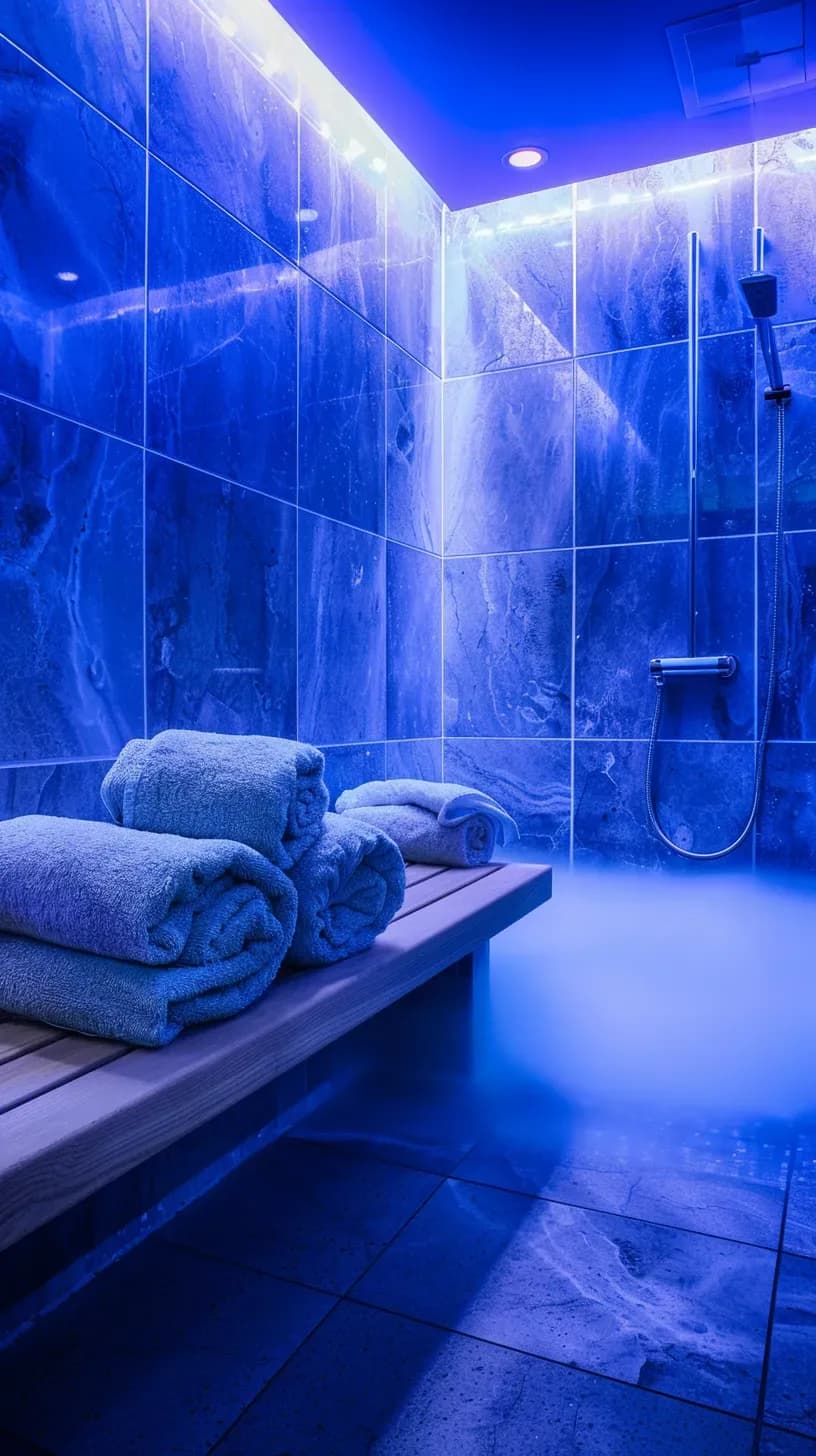
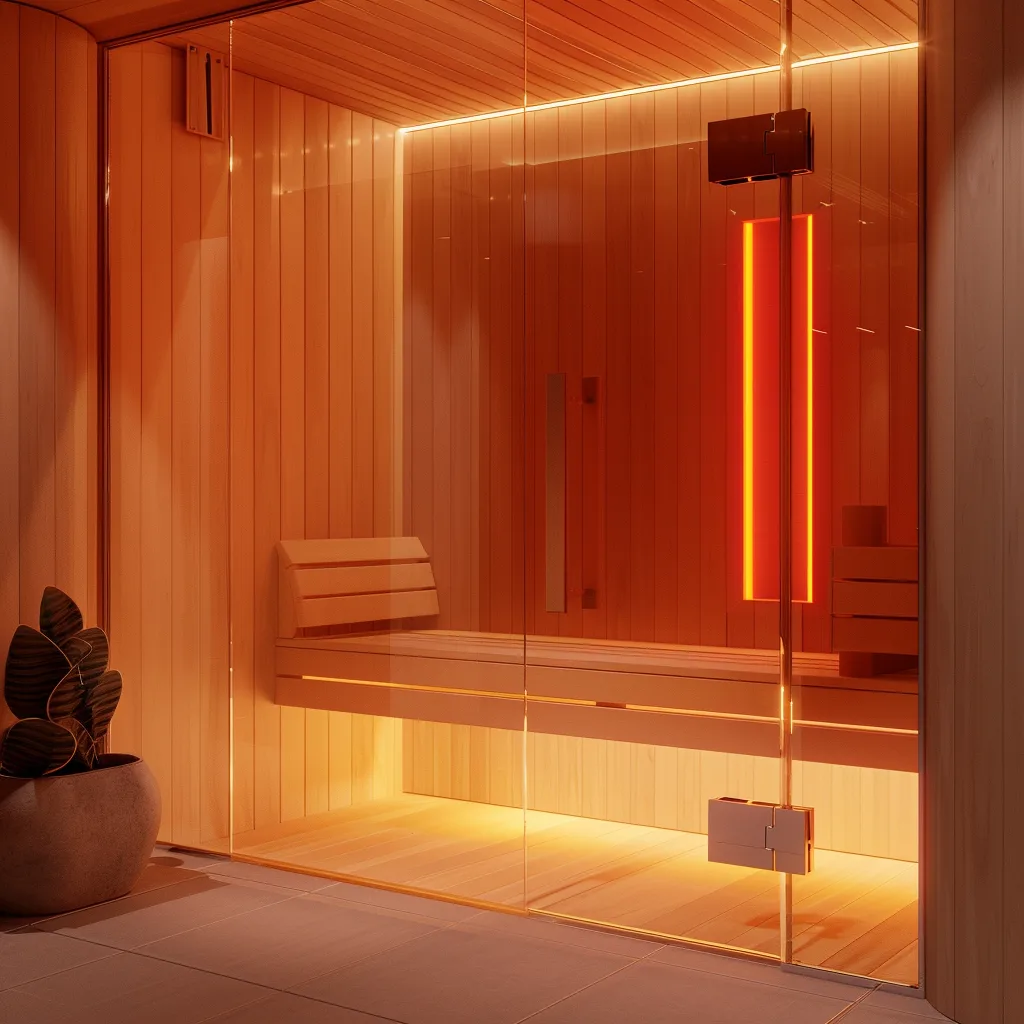
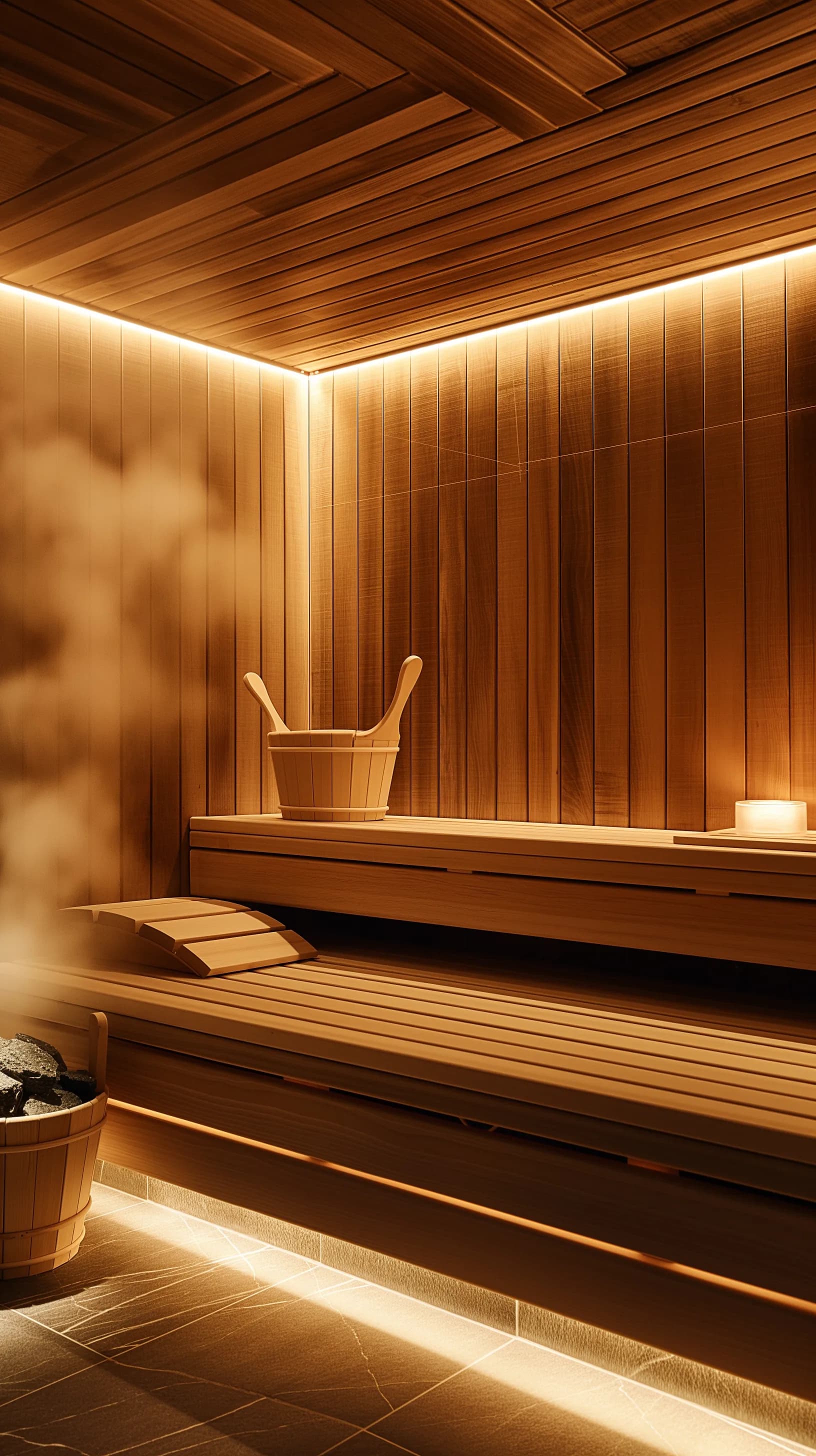
A traditional sauna: intense dry heat to support detoxification and deep warmth.
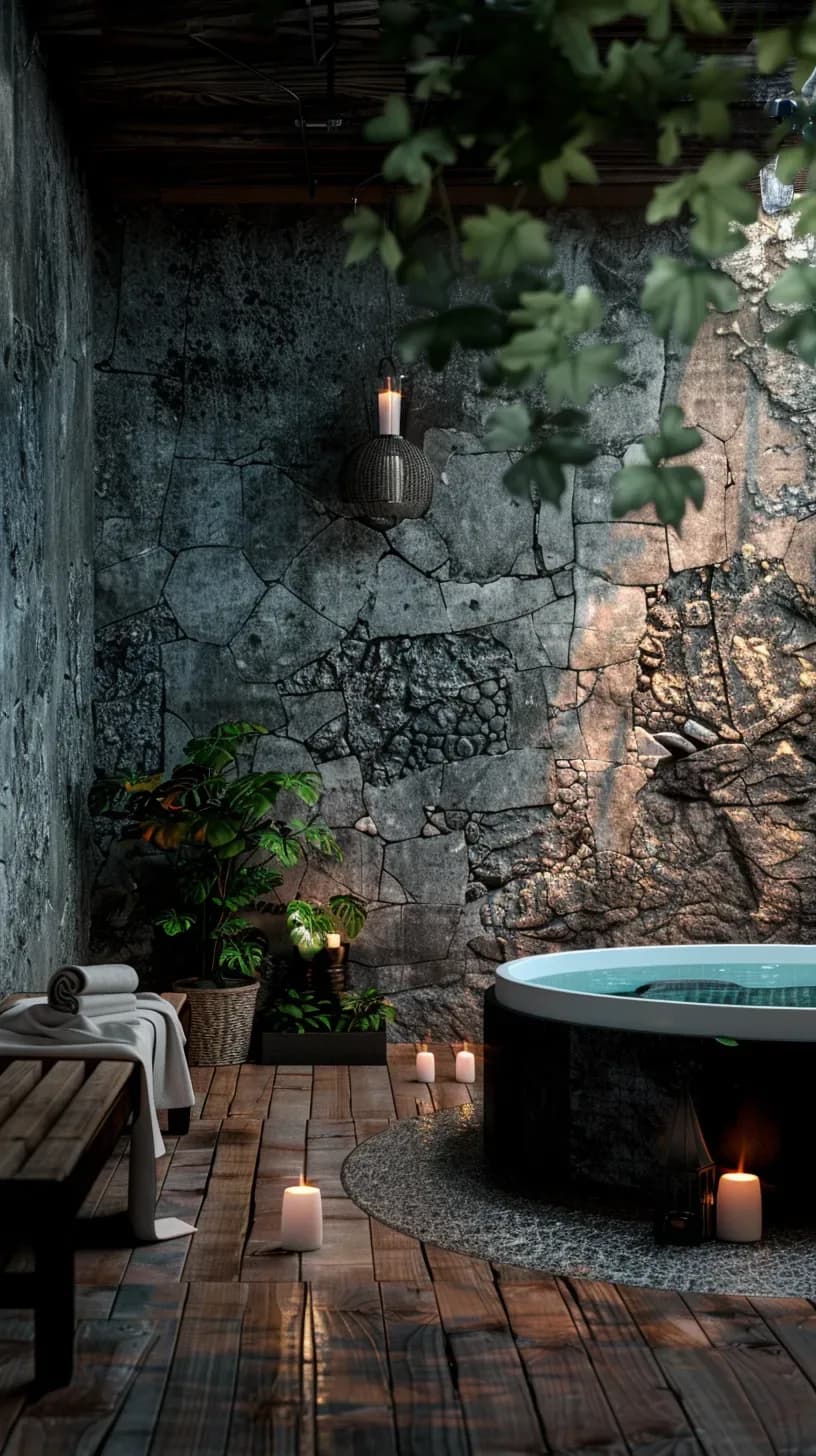
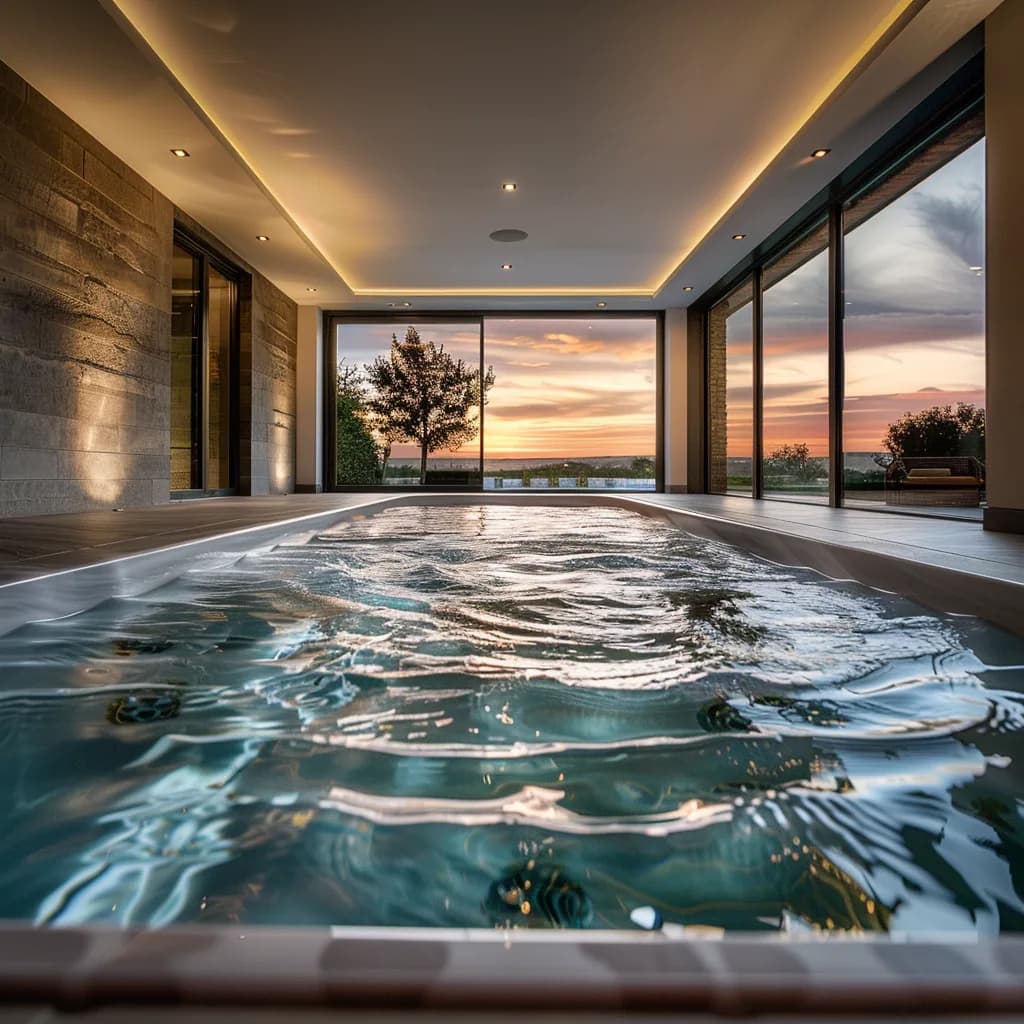
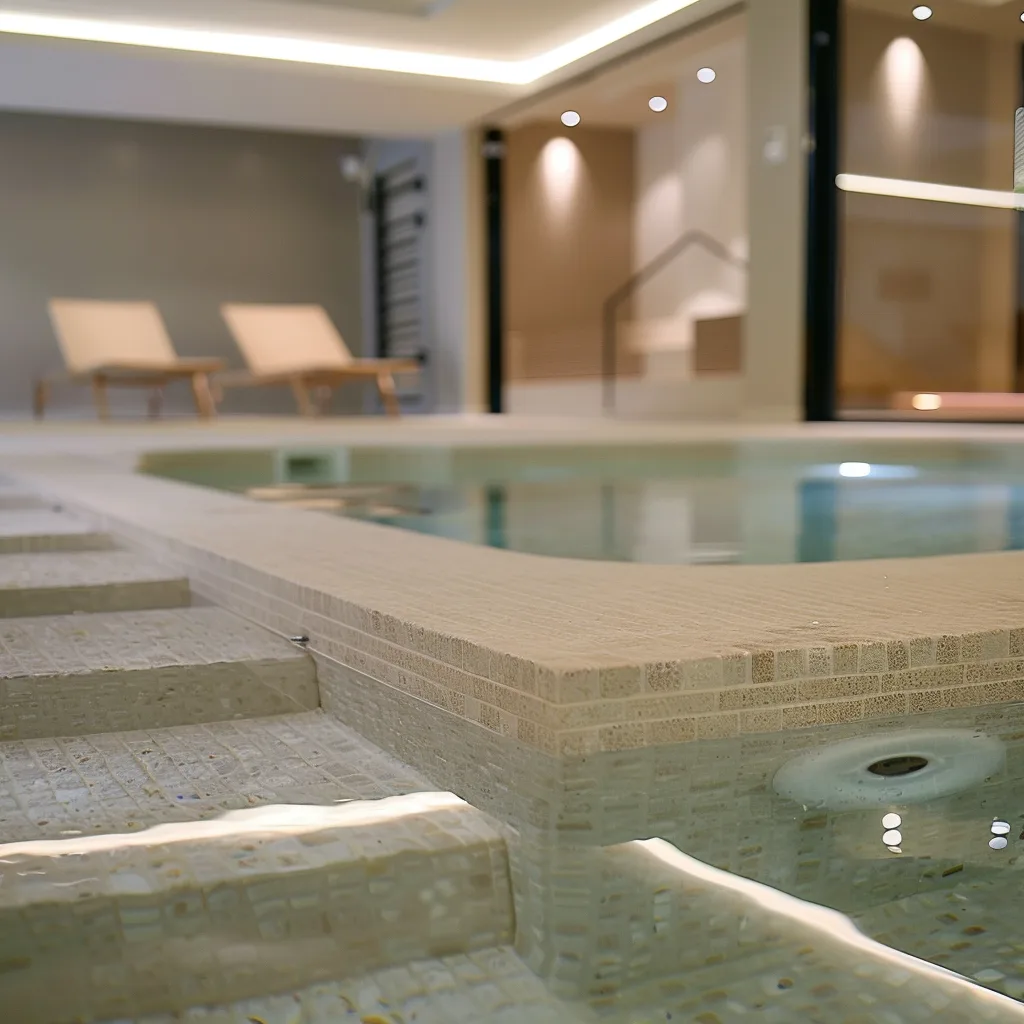
A warm magnesium pool: gentler heat, ideal for building up exposures and relaxing without overwhelm.
A 5°C ice bath: for those who want a powerful cold experience and are ready for it.
A 14°C magnesium pool: approachable cold for beginners, multiple rounds of contrast, or days when a softer reset is needed.
“For us, it was really important to have the two options for heat and two options for cold” . “Having a communal space with round pools, a large sauna, and space to move around and connect with others was really important… and in line with ancient bathhouse culture.”
Layered on top of the hardware are guided protocols which are simple pathways based on your goal for the session and your experience with hot and cold. Looking for energy? There’s a pattern for that. Want to unwind after a brutal week? There’s another. Recovering from training? They’ll steer you differently again.
The message is clear: this isn’t just a place to “have a go” at cold plunging. It’s a place to learn how to use it well.
Open Air, Real Elements, No Filter
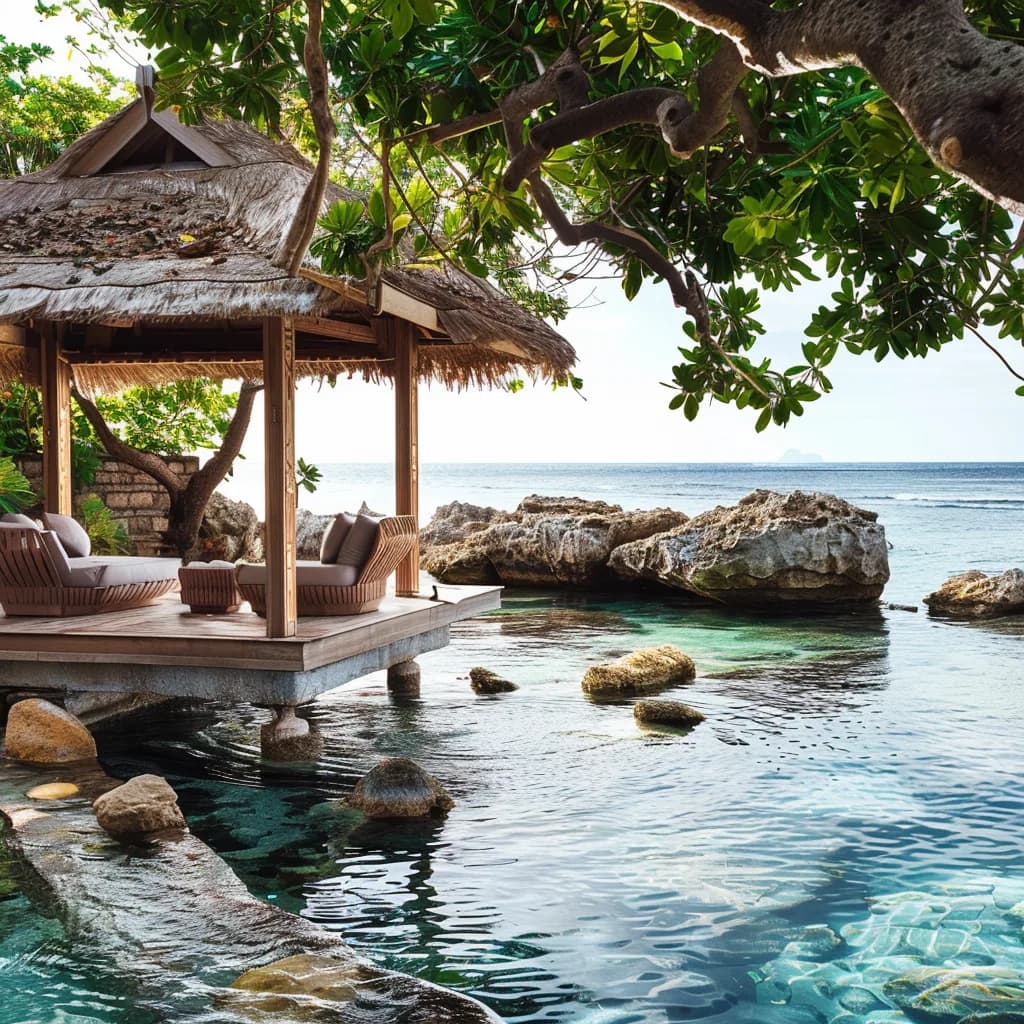
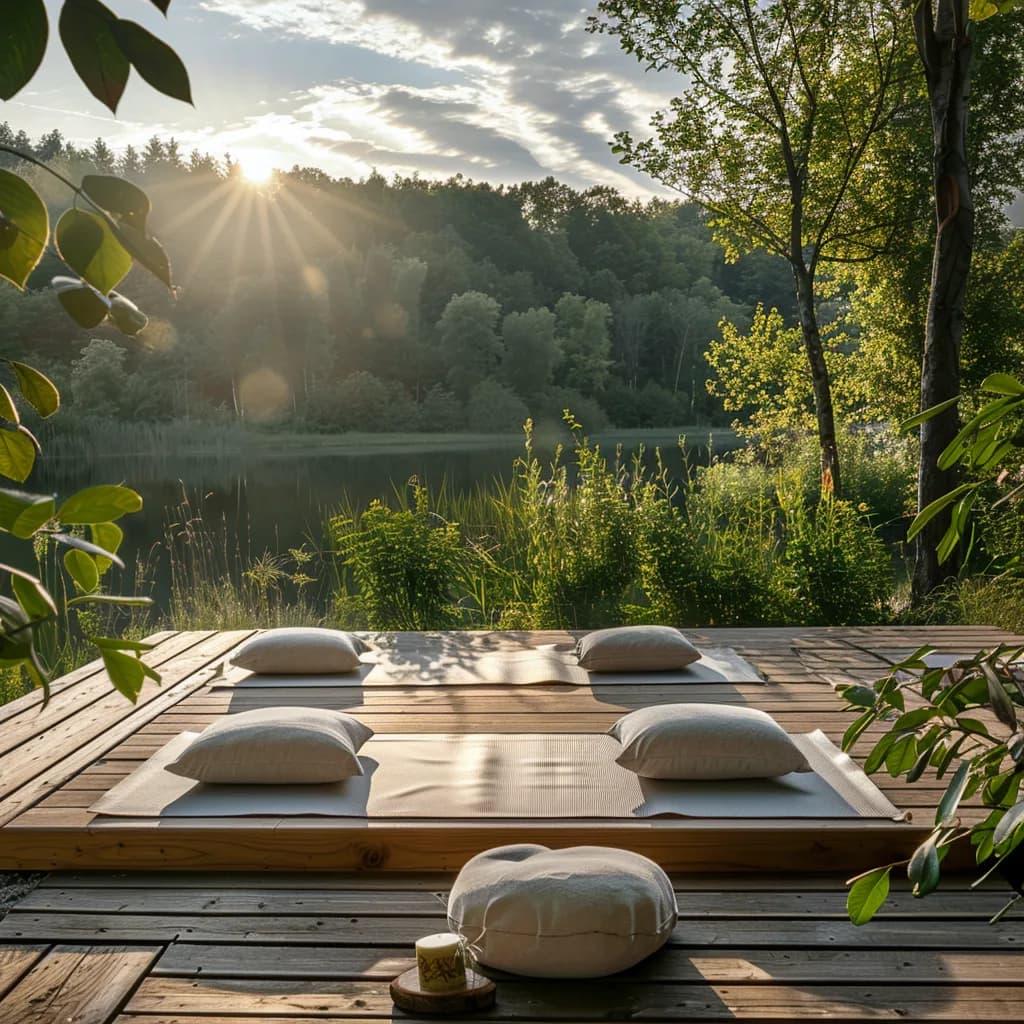
One of the most distinctive things about Vikasati is that it’s outdoors. Sunshine, fresh air, clouds, stars, even rain… they’re all part of the design, not an inconvenience.
“The elements of the outdoors (sunshine, fresh air, stars and even rain) is a really important factor for Vikasati,” Will & Ben explained. “Especially for those that are inside in an office all day, pairing your recovery and contrast therapy with a deeper connection to nature is really refreshing and a powerful experience.”
It’s an antidote to the hyper-controlled, climate-sealed environments so many of us live and work in. For office workers and work-from-home professionals, that shift is particularly significant. Your nervous system gets real signals: light changing, air moving, water touching skin, temperature genuinely contrasting.
In an age where you can “simulate” almost anything digitally, Vikasati’s bet is that people are hungry for the opposite: unmediated, embodied experiences.
Why Australians Are Ready for Outdoor Rituals
There’s a reason this model feels so native to an Australian audience.
We’re already a culture of early ocean dips, sunrise walks, surf checks, river runs and outdoor training. Pairing those instincts with structured recovery (saunas, magnesium pools, cold plunges) feels like the next logical step.
“I think for most people it feels very natural to pair your health ritual with being in a beautiful and natural environment, as opposed to a clinical, dark, indoor environment,” Vikasati notes. “Many people love that they can enjoy the sunshine and time in the fresh air, whilst also doing something great for their health… and catching up with friends.”
Here, wellness isn’t being sold as escape. It’s being fitted into the existing rhythm of Australian life – especially for cities where outdoor culture is already strong.
From Solo Spa Days to Communal Wellness
If the last decade was about “me time,” this one might belong to “we time.”
More and more, people are swapping solo spa days for shared rituals that feel equal parts social and restorative. That’s not surprisingly in a world of remote work and digital communication, where face-to-face connection is no longer guaranteed by office life.
“In our digital age, and especially with work from home work culture, people are craving authentic, face to face connection,” Vikasati says. “Doing something that gets you out of your head and into your body is a really powerful way to connect on a deeper level.”
Their design reflects that belief: round pools for shared experiences, a large communal sauna, and plenty of space to move around, talk, or sit quietly.
They’ve also done something smart: instead of forcing everyone into the same vibe, they’ve structured the day.
Quiet Times for those wanting introspective, near-silent sessions.
Other periods where gentle conversation and connection are welcomed.
“We have a really positive culture of mutual respect for how people are interacting with each other,” Will told us. “We want people to feel comfortable that it is their place to be on their own and quietly relax. But we equally want partners to come to connect with each other, friends to have a healthy catch up activity, and for people to meet other likeminded people in a positive environment.”
It’s not social or silent. It’s seasonal, by the hour, honouring both needs.
Elemental, Everyday, Evolving
The most interesting things about Vikasati are not the buzzwords – contrast therapy, magnesium, ice baths – but the intentionality behind them.
Wellness defined as capacity and resilience, not aesthetics.
Rituals designed to be accessible and repeatable, not rare.
Heat and cold offered in graduated layers, not all-or-nothing.
Outdoor architecture that reconnects people to light, air and weather.
Culture consciously curated for both solitude and connection.
In a sea of wellness options, that depth of thinking is what sets certain spaces apart. And it points to a broader trend: the most compelling bathhouses and spas in Australia aren’t just selling relaxation anymore.
They’re teaching people how to live better, more present, more resilient lives, one hot-cold-breathe-rest loop at a time.
Why Bathhouses Are Becoming Australia’s New Social Infrastructure
What spaces like Vikasati are quietly building is social infrastructure, not just somewhere to get cold and calm. For years, cafés and gyms have acted as our unofficial third places – you go there to see familiar faces, feel part of something, and be around people without needing a reason.
Outdoor bathhouses are now stepping into that role for a different kind of person and a different kind of need. Instead of bonding over caffeine or workout intensity, people are bonding over shared discomfort, shared silence, and shared ritual – three rounds of hot and cold, side by side.
In a country where loneliness, remote work and screen-based interaction are all trending up, it makes sense that we’re seeing an equal and opposite trend: spaces where you have to show up in person, in your body, with your nervous system fully involved. No avatars, no filters, no chat windows… just steam, water, breath and other humans.
In that context, Australian bathhouses aren’t a novelty. They’re becoming one of the few places where community forms around how we feel, not just what we consume or what we achieve.
A Shift From Luxury Escapes to Weekly Maintenance Rituals
The old spa model was built around escape: save up, book a day, disappear from your life for a few hours, then go back to business as usual. The new model we’re seeing across Australia is closer to maintenance – small, repeatable investments that keep you functional and steady in the middle of real life.
Vikasati sits squarely in that shift. You don’t need a robe-clad afternoon and a glass of champagne; you need 60–90 minutes and a clear protocol: heat, cold, rest, repeat. Australians are increasingly health-literate and we understand stress, inflammation, sleep, nervous system load and ultimately we’re looking for tools we can plug into our week, not just our birthday or special occasions.
That’s why the details matter:
Graduated temperatures instead of “all or nothing” extremes
Clear guidance for beginners, not just bravado for the already converted
Pricing and session formats that make once-a-week realistic, not aspirational
This is where the market is moving: away from one big “treat yourself” and toward many small “look after yourselfs”. Bathhouses that understand this (and design for consistency rather than spectacle) will sit at the centre of people’s wellbeing plans, not on the edges.
The Next Wave of Australian Wellness Spaces
Zoom out across the country and a pattern starts to emerge. Australian wellness is growing up. We’re moving beyond binary choices (clinical vs fluffy, gym vs spa, indulgence vs discipline) and into a more layered, integrated approach.
The next generation of spaces is likely to be:
Multi-modal – heat, cold, movement, breath, light and rest in one place, not scattered across five venues.
Neighbourhood-based – part of local daily life, not just hotel lobbies and destination retreats.
Element-driven – leaning on water, air, temperature and natural light more than on screens and gadgets.
Psychologically safe – welcoming to first-timers, diverse bodies, and people who don’t see themselves in traditional “wellness” imagery.
Outdoor bathhouses like Vikasati are early markers of that evolution. They aren’t trying to be everything to everyone, but they are quietly redefining what “going to the spa” means in Australia: less about pampering, more about regulation, resilience and real connection.
If the current trajectory continues, the most influential wellness spaces in five years’ time won’t be the ones with the loudest claims or the fanciest fit-outs, but the ones that help people feel good often, not just feel spoiled once.
Vikasati’s open-air pools and guided rituals are very much part of that story.
Experience Vikasati for Yourself
If you’re ready to explore ritual-based wellness, Vikasati is open daily with both casual visits and membership options available. Whether you’re new to contrast therapy or already deep into the practice, their open-air design, guided protocols and warm community culture make it one of the most approachable bathhouse experiences in Australia.
Brisbane (Red Hill) Address: 147 Musgrave Road, Red Hill QLD 4059 Phone: 0481 138 473